West Virginia officials issue warning over sweepstakes scam
CHARLESTON — The Consumer Protection Division of the West Virginia attorney general has seen increased activity of a sweepstakes scam, the attorney general reported on Friday.
“Consumers can fall prey to sweepstakes scams as the ploy can appear very attractive — who doesn’t want to win money?” Attorney General Patrick Morrisey said. “However, it is important consumers verify the legitimacy of any win.”
The Consumer Protection Division routinely receives word of the sweepstakes scam circulating in West Virginia, although it has noticed increased activity in recent weeks, he said.
Targeted consumers are told they have won a lottery or sweepstakes, but that they must pay the taxes or fees upfront to collect the prize. Those who send money lose it, as the impostor disappears and the winnings never arrive.
While there are contests that do award prizes, consumers must carefully verify the legitimacy of any win, Morrisey said. Publishers Clearing House, state lotteries and government agencies never require winners to pay money to receive their prize.
That means potential winners should never agree to send cash, wire money or provide numbers associated with a credit card, debit card or bank account.
Furthermore, Publishers Clearing House does not notify winners by phone, but instead by in-person visit or certified mail, he said.
Winning a sweepstakes the consumer didn’t enter, being asked to pay upfront fees or taxes and being pressured to act immediately should all be red flags, Morrisey said.
Consumers with questions or think they may have been victim to a sweepstakes scam can contact the Attorney General’s Consumer Protection Division at 1-800-368-8808 or visit the office online at wvago.gov.
The fake sweepstakes is No. 3 in the Top 10 list of scams, according to the National Consumers League.
In March, the Federal Trade Commission and authorities in Missouri reached a settlement with operators accused of running a sweepstakes scam to collect a record $30 million in cash and assets. The commission seized $21 million in cash, two luxury vacation homes, a yacht, a luxury automobile and other personal property.
The seizures will be used to compensate victims.
Local News
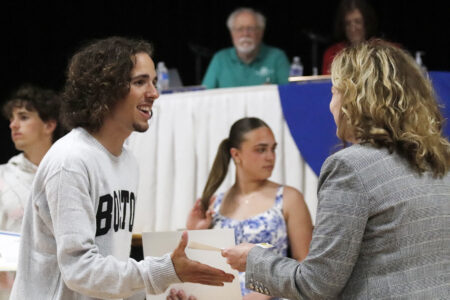
Wood County Board of Education honors Teacher of the Year, reviews levy funding requests at Parkersburg High meeting

Troop 203 helps at Fun Fest

Woodcarvers ready for annual event
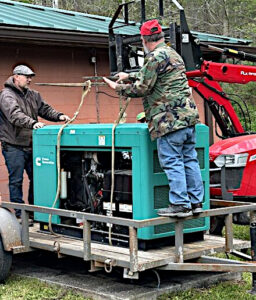
Volunteer effort delivers generator to Camp Kootaga
Give Local to award organizations for donations
As part of the 2026 Give Local Mid-Ohio Valley fundraising campaign, prizes will be awarded to organizations in the ...