Marietta Planning Commission weighs approach to homeless shelter
-
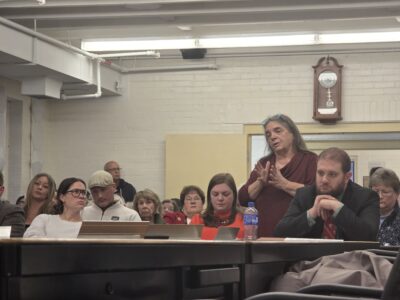
- Robin Bozian, on behalf of the Washington County Homeless Project, answers questions from Marietta Planning Commission members during Wednesday afternoon’s meeting at the Armory. (Photo by Gwen Sour)
-
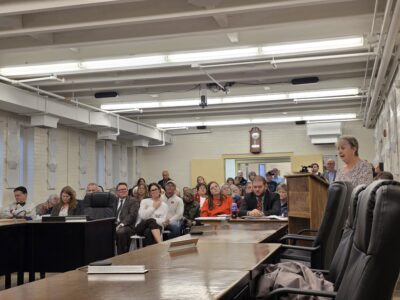
- Judy Peoples urges the Marietta Planning Commission to approve the overnight shelter at 315 Third St. during Wednesday afternoon’s meeting at the Armory. (Photo by Gwen Sour)
-
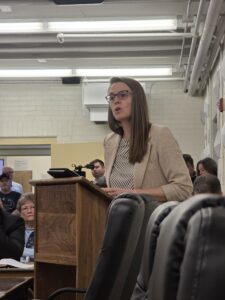
- Renee Steffen, executive director of the Sisters Health Foundation, shares her support for the Washington County Homeless Project’s overnight shelter during Wednesday afternoon’s Marietta Planning Commission meeting. (Photo by Gwen Sour)
-

- Ethan Vessels shares his concerns regarding the safety of the proposed overnight shelter during Wednesday afternoon’s Marietta Planning Commission meeting at the Armory. (Photo by Gwen Sour)
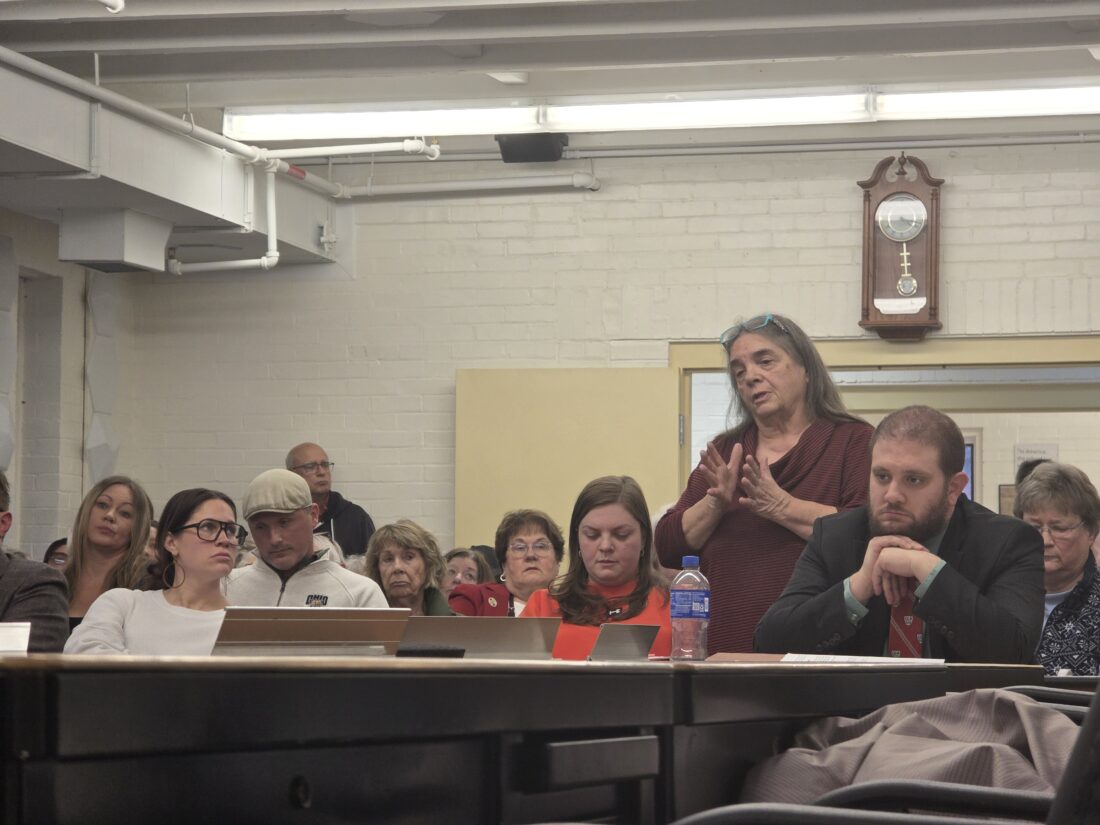
Robin Bozian, on behalf of the Washington County Homeless Project, answers questions from Marietta Planning Commission members during Wednesday afternoon’s meeting at the Armory. (Photo by Gwen Sour)
MAREITTA — After hearing more than two hours of public testimony Wednesday afternoon, the Marietta Planning Commission voted to deny a special exception request from the Washington County Homeless Project that would have allowed the nonprofit to operate an overnight emergency shelter at 315 Third St.
The meeting drew a standing-room-only crowd of over 100 individuals, with speakers divided between those urging commissioners to approve the shelter as a humane response to homelessness and those arguing the proposed downtown location was inappropriate and failed to meet zoning standards.
Supporters described the shelter as a structured, short-term option that would move people off the streets at night and connect them with housing and social services. Judy Peoples told commissioners about a man she met who was homeless after losing his Social Security card and lacking a mailing address. With help from community members, she said, he was eventually able to receive benefits, secure low-income housing and begin looking for work.
“This is what an emergency shelter can do,” Peoples said, urging commissioners to consider how many others could be helped.
Renee Steffen, executive director of the Sisters Health Foundation, said her foundation has invested more than $87,000 in the Homeless Project and that homelessness is the most pressing issue she sees across the region. She said Marietta’s nonprofit community is well-positioned to address the problem collaboratively.
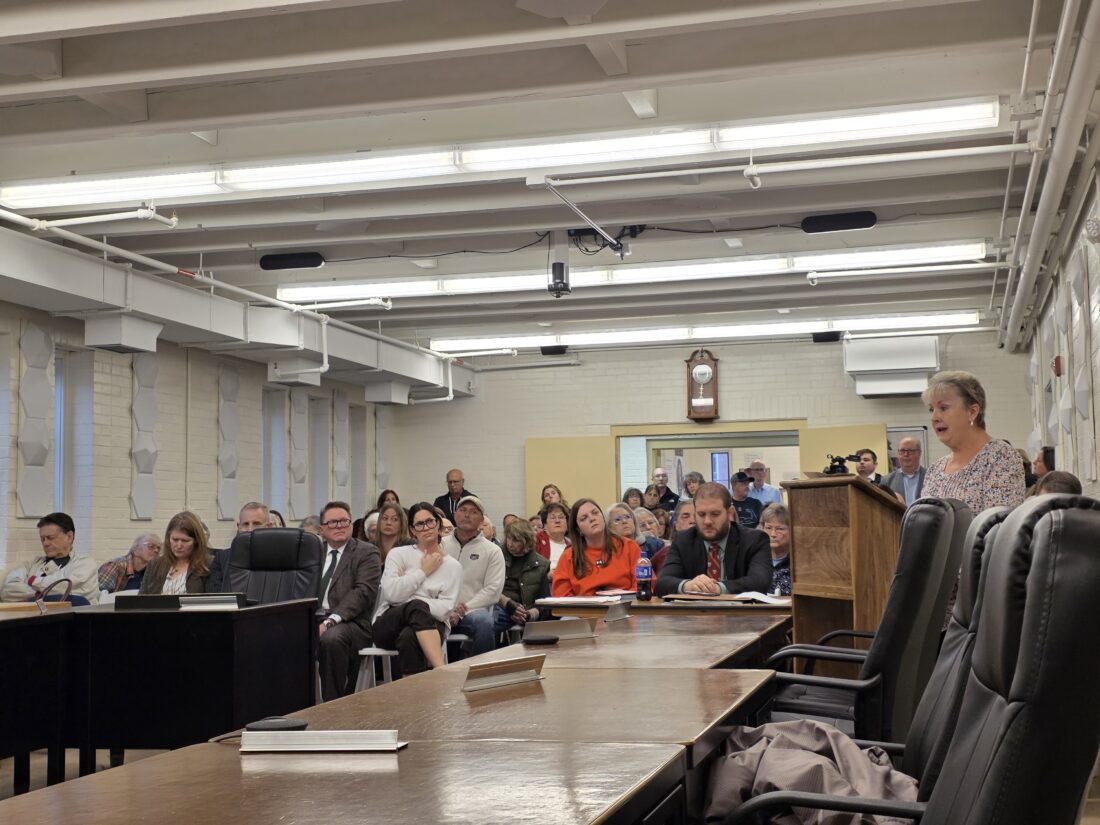
Judy Peoples urges the Marietta Planning Commission to approve the overnight shelter at 315 Third St. during Wednesday afternoon’s meeting at the Armory. (Photo by Gwen Sour)
“I’m confident that they will respond to concerns and conduct their operations in a way that is safe for the community,” Steffen said. “It will take a community effort, but it’s the right time to make a change.”
Barb Jackson, a Marietta resident who said she has volunteered for several years at the warming center on Front Street, spoke in support of the proposed shelter and urged commissioners to view people experiencing homelessness as individuals rather than abstractions. She told commissioners that many unhoused people she has encountered are veterans and individuals struggling with mental health issues, and said the resistance to an overnight shelter was difficult to reconcile, given the level of care communities often mobilize for animals. Jackson argued that providing shelter, safety and services for people should be a community priority and encouraged officials to weigh the value of human dignity alongside zoning and neighborhood concerns.
“These are human beings who are down on their luck for a multitude of reasons,” said Jackson.
Opponents said they were not opposed to helping people who are homeless but believed the Third Street site was the wrong location. Nearby residents and business owners cited past problems associated with a nearby encampment, including noise, trash, public disturbances and concerns about safety.
Ethan Vessels, who said he lives about 100 yards from the proposed shelter site, spoke in opposition, arguing that the application did not adequately address concerns raised at earlier meetings. Vessels said the operational plan would require guests to leave the shelter during the day, which he said would push problems into the surrounding downtown area and onto nearby residents and businesses. He also raised concerns about the lack of drug testing and comprehensive criminal background checks, saying the plan would attract people with unmanaged mental health and addiction issues without sufficient safeguards. Vessels urged the commission to deny the request, saying the burdens of the proposal would fall disproportionately on local property owners, business owners and public safety resources.
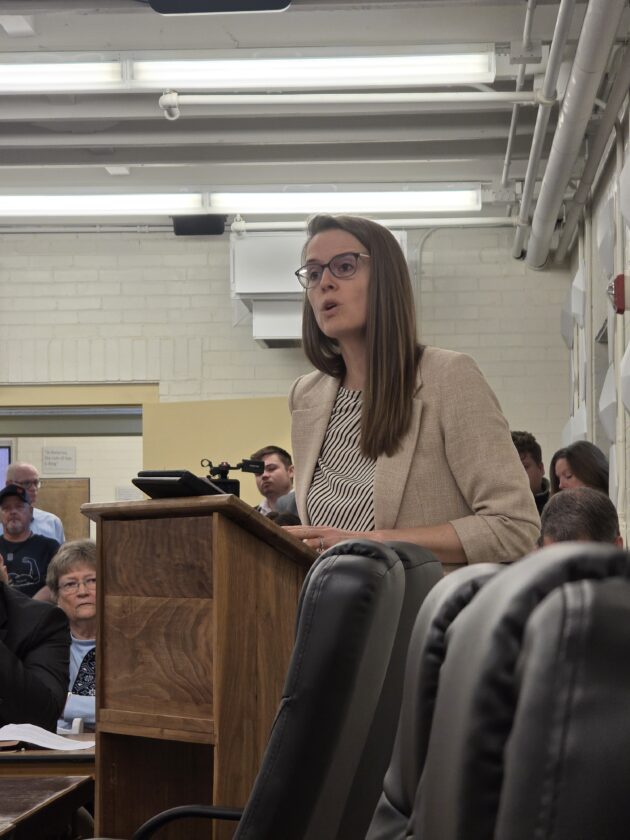
Renee Steffen, executive director of the Sisters Health Foundation, shares her support for the Washington County Homeless Project’s overnight shelter during Wednesday afternoon’s Marietta Planning Commission meeting. (Photo by Gwen Sour)
Other opponents echoed those concerns, questioning how shelter guests would be screened and whether requiring people to leave the shelter during the day would shift problems into the downtown business district. Some speakers raised concerns about drug use, criminal histories and the burden placed on nearby residents and businesses.
Tensions occasionally flared during the hearing as speakers both for and against the proposed shelter responded directly to one another, prompting repeated reminders from commission members to avoid interruptions and side conversations.
During questions from commissioners, representatives of the Washington County Homeless Project said they plan to check all clients against the national sex offender registry and request additional background checks from law enforcement if safety concerns arise. They said the shelter would not allow outdoor camping and would require guests staying more than a few nights to work with staff on a plan toward housing or services.
The commission ultimately voted against granting the special exception. A motion to approve failed on a roll call vote.
William McElfresh, who served as chair pro tem, said afterward that the commission’s role is not to judge the proposal’s intent but to determine whether an application meets zoning requirements.

Ethan Vessels shares his concerns regarding the safety of the proposed overnight shelter during Wednesday afternoon’s Marietta Planning Commission meeting at the Armory. (Photo by Gwen Sour)
“We’re not for or against projects,” McElfresh said. “We judge the ordinances, the zoning laws and the application. In this case, the commission felt the standards were not met.”
McElfresh said the nonprofit may submit a new application in the future, which would again go through the public review process.
Robin Bozian of the Washington County Homeless Project said after the vote that the need for an emergency shelter will not go away and that the organization will regroup to determine next steps.
“This problem isn’t going away,” she said. “Somebody is going to have to come up with a solution.”
Gwen Sour can be reached at gsour@newsandsentinel.com
Local News

Movie Review: A real-life ’70s hostage drama crackles in Gus Van Sant’s ‘Dead Man’s Wire’
Minnesota shooting videos challenge administration narrative, policing experts question tactics

Family and neighbors mourn woman who was shot by ICE agent and made Minneapolis home

Anger and outrage spills onto Minneapolis streets after ICE officer’s fatal shooting of Renee Good

House passes bill to extend health care subsidies in defiance of GOP leaders