West Virginia DNR talks black bears after one dies on U.S. 50
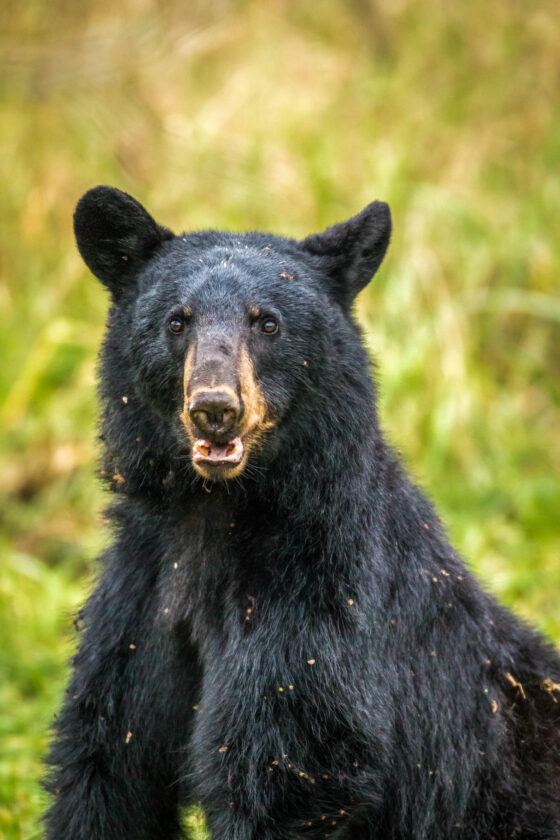
(Photo Illustration - MetroCreativeConnection)
PARKERSBURG — A black bear was struck and killed by a vehicle on U.S. 50 as the state’s bear population is on the move at this time of year. The incident occurred near Progress Ridge Road sometime late Thursday evening or early Friday morning, said Lt. Ron Runyon of the West Virginia Division of Natural Resources Parkersburg office. Runyon said the person who hits the animal is given the option of claiming the remains, having the animal processed or having it turned over to DNR for possible testing, biological exams and other data gathering measures. Bear/vehicle collisions are less common than deer/vehicle collisions, but they still occur, said Colin Carpenter, the West Virginia DNR Black Bear Project Leader. “Still we average about 100 bears killed by vehicles each year,” he said. “There are years when it is higher than that. It varies depending on what natural food conditions are like in a given year.” In years of poor food conditions abundance, bears will be on the move more and are more likely to be struck by vehicles. This time of year, bear/vehicle collisions are due to a number of things, including bears (around 18-months-old) who are on their own for the first time as their mothers are preparing to breed again, Carpenter said. The bear breeding season is getting ready to start as it is typically around June and July. “Bear activity is high,” Carpenter said. “All bears are also out actively searching for food this time of year. “The chances of seeing them are greater and the chances for conflicts is greater too.” He said that a black furred animal will be very hard to see at night. “Reduce your speed at night and don’t overdrive your headlights,” Carpenter said. “That way you reduce your odds of being in an accident.” The WVDNR is also urging residents around the state to secure trash, remove bird feeders and eliminate other potential food sources that may attract black bears to their property this spring, according to a press release from the WVDNR. While intentionally feeding a black bear is illegal in West Virginia, many residents unintentionally attract bears by leaving out unsecured garbage, pet food, bird seed or food scraps. Black bear activity increases and peaks in May and June, but the WVDNR starts receiving reports of human-bear conflicts as early as April when natural food sources such as berries and other high-energy fruits are scarce, the press release said. People are reminded to never feed or approach bears; secure food, garbage and recycling; remove bird feeders when bears are active; never leave pet food outdoors; clean and store grills; and alert neighbors to bear activity. “As we enter peak bear activity season, we’re asking everyone to help keep our state animal wild by cleaning up their property and removing food and trash that attracts bears,” said WVDNR Director Brett McMillion. “By being aware of bear activity and taking these precautions, we can reduce human-bear conflicts, protect property and help ensure a future for healthy, wild black bear populations across West Virginia.” Brett Dunlap can be reached at bdunlap@newsandsentinel.comLocal News

Morrisey: Audits find more than $168 million in savings across executive branch

West Virginia State Police release names of suspect, victim in officer-involved shooting

Probe continues into Belpre fire
Parkersburg Touch-A-Truck Event draws families despite rain

Washington County law enforcement honors officers