
Deerwalk man capturing nature’s beauty one photo at a time
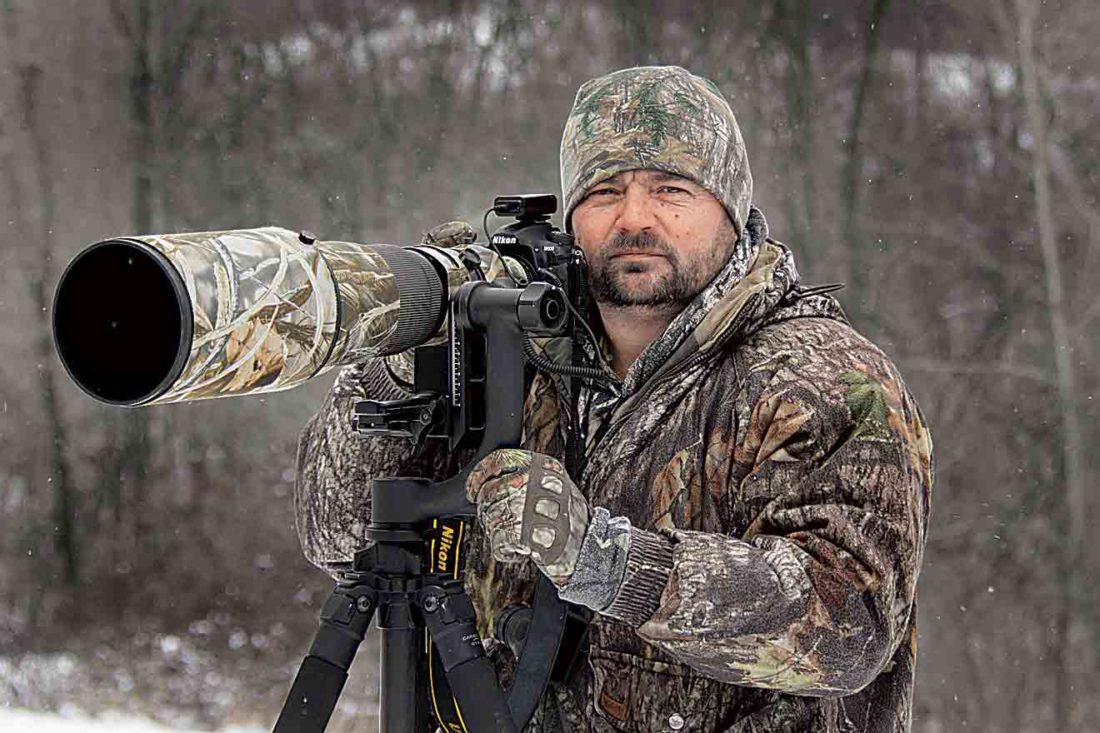
Photo Provided Danny Carpenter of Deerwalk is an accomplished outdoors photographer. He has taken some of his favorite animal photographs and produced a calendar entitled “A Year of Fur and Feathers.”
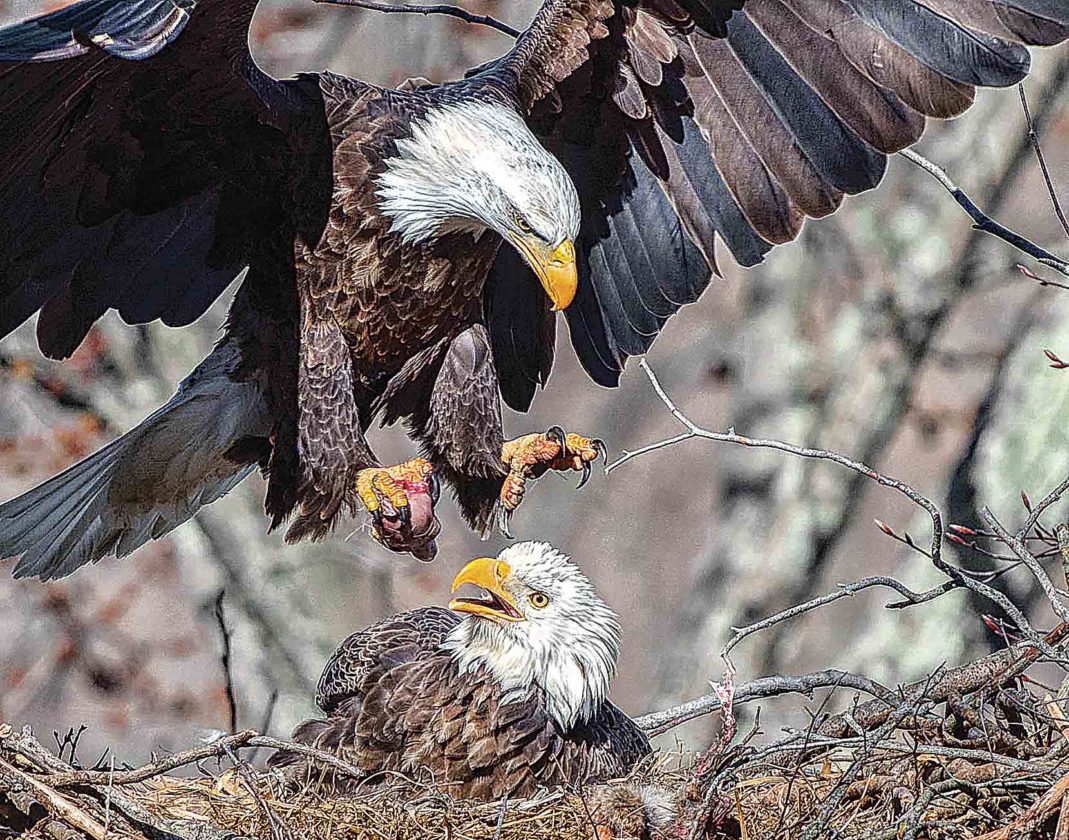
Photo Provided Deerwalk nature photographer Danny Carpenter photographs a Bald Eagle landing in its nest with food for its young while its mate awaits.
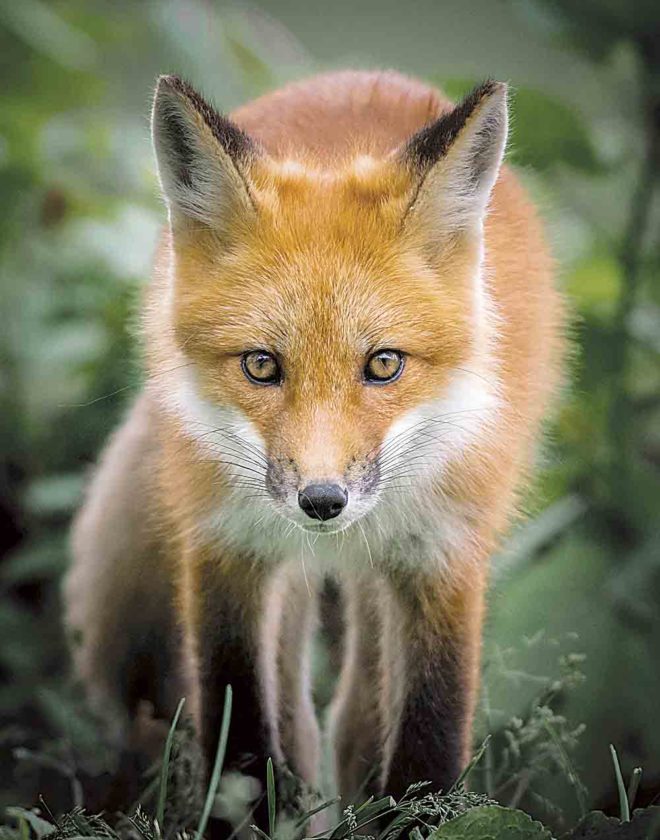
Photo Provided A small Red Fox walks along a path toward the camera of outdoor photographer Danny Carpenter.
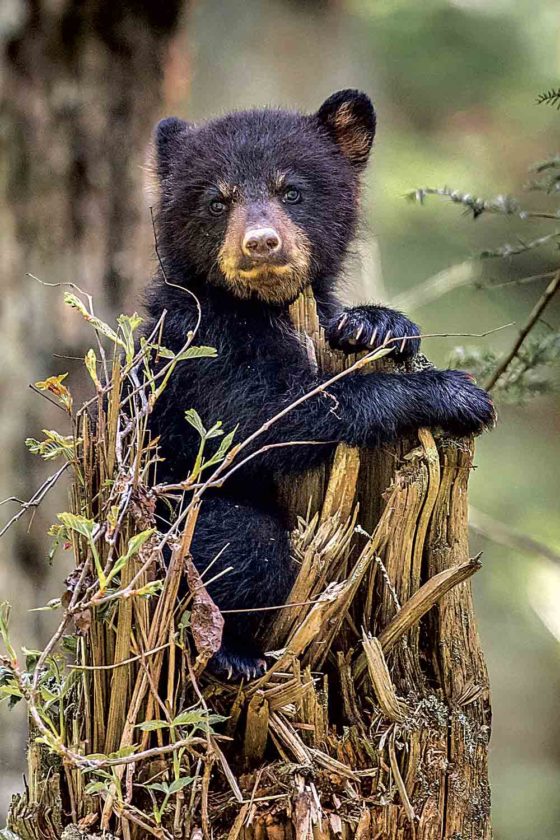
Photo Provided A Black Bear cub holds onto what is left of a tree stump as it takes a look around the forest.
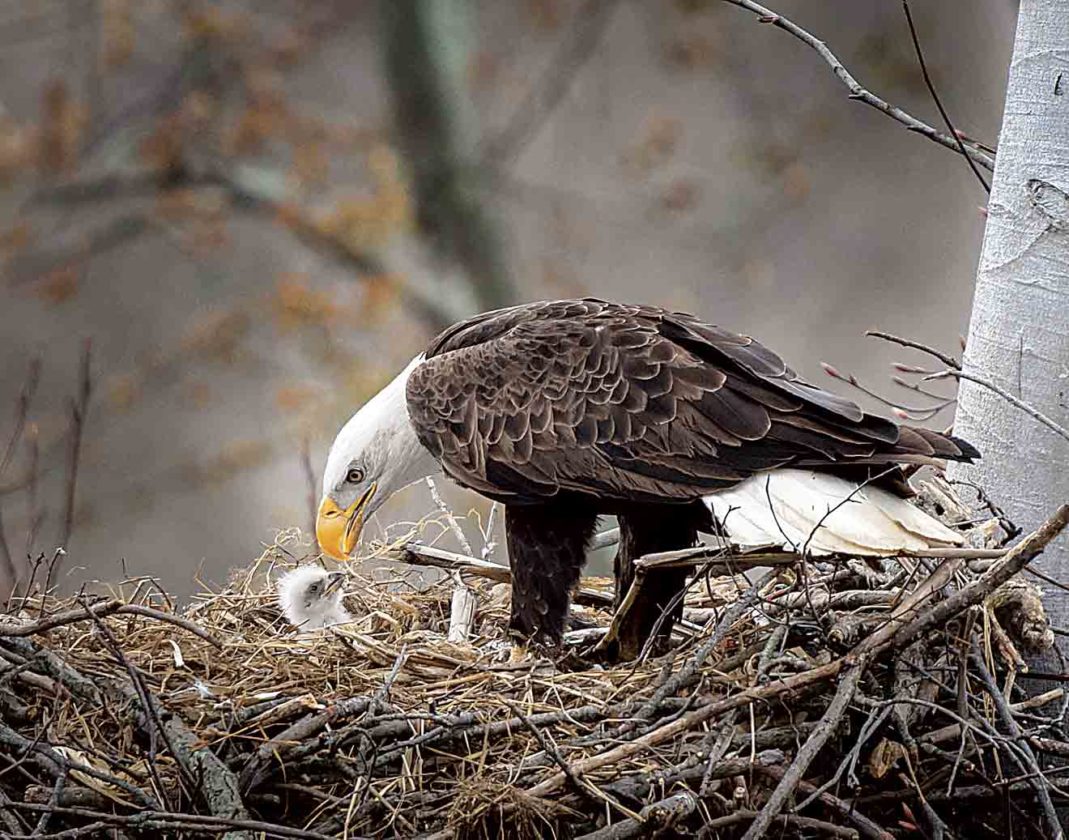
Photo Provided A Bald Eagle feeds an eaglet after a successful hunt. Eagles are one of Danny Carpenter’s favorite subjects when he is photographing nature.
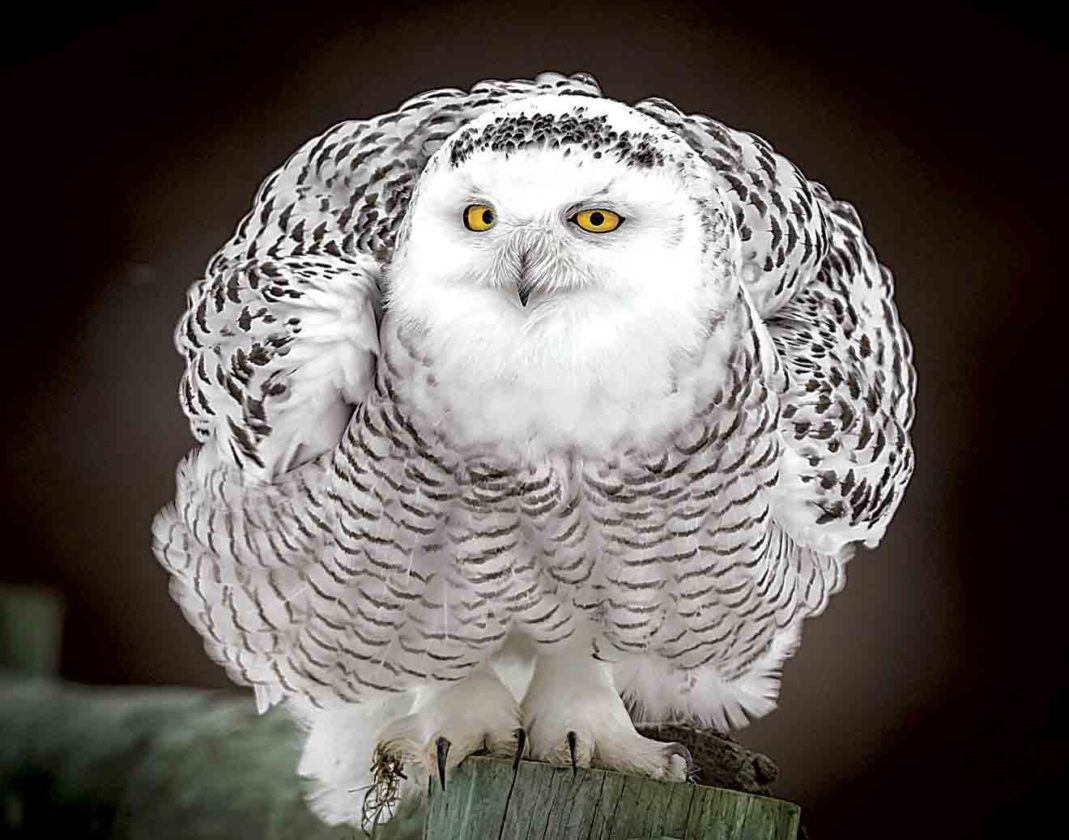
Photo Provided A snowy owl stares at Danny Carpenter as it ruffles its feathers while perched on a limb.
Photo Provided Danny Carpenter of Deerwalk is an accomplished outdoors photographer. He has taken some of his favorite animal photographs and produced a calendar entitled “A Year of Fur and Feathers.”
Photo Provided Deerwalk nature photographer Danny Carpenter photographs a Bald Eagle landing in its nest with food for its young while its mate awaits.
Photo Provided A small Red Fox walks along a path toward the camera of outdoor photographer Danny Carpenter.
Photo Provided A Black Bear cub holds onto what is left of a tree stump as it takes a look around the forest.
Photo Provided A Bald Eagle feeds an eaglet after a successful hunt. Eagles are one of Danny Carpenter’s favorite subjects when he is photographing nature.
Photo Provided A snowy owl stares at Danny Carpenter as it ruffles its feathers while perched on a limb.
Trending
PARKERSBURG -- Danny Carpenter has a checklist before he heads to the woods.
Camo, food, lots of patience.
But Carpenter carries a tripod and a camera instead of a gun, rifle or bow.
Carpenter doesn't need a season as a wildlife photographer. He does have to make sure he doesn't end up being a target, but if it's wildlife or nature, he's up for the hunt.
He photographs wildlife and has thousands of images of which to sort through.
He taken a handful of those images and had a wildlife calendar printed. By trade, he's a pipefitter.
"Strange as this is," he said, "when I'm not working is when all I have time to make the pictures."
"I just put gas in the car and go and make some pictures," he said. "I'd like to able to get to the point where I'd like to support myself with the camera but we're going to have to get better before that happens. But I am my own worse critic, too."
Carpenter leaves his Deerwalk home with a Nikon D500 and Nikon D7100 by his side. A Nikon 500 mm f/4 lens is attached to the D500.
He packs a 1.4x teleconverter, two extra batteries, a lens cleaning cloth, an Induro tripod with a Gimbal-style head made by Induro and a small but vital piece of equipment, a remote trigger.
"I keep a remote trigger in my pocket just in case. Sometimes, despite all the camo you have on yourself and your camera equipment, the animals sees you and stares at you," Carpenter said. "So, if I have to sit really still, I still can make the picture."
Carpenter will also pack a Nikon 300 mm f/4 as well as a Nikon 18-300 mm zoom lens. He has camouflage on his lens and it's just not to hide the apparatus.
"It actually helps to keep my lens gears from freezing if it's really cold and wet," he said. "And if I had my fingers on the lens to help it sweep from on the tripod, it keeps those fingers from sticking to the lens. The really professional, big lenses are made of metal.
"Besides, when you're making your way to wherever you're headed, the camo can keep the lens from getting scratched," he said. "And you pay way too much for those lens, even if you buy them used, which is what I do."
When photographing wildlife, Carpenter said you have to know the animal as to its habits, when it hunts, where it hunts, paths traveled, migrating patterns and times.
"There's a place on the Delaware, Pennsylvania and Maryland border," he said. "It's about 45 minutes north of Baltimore on the Susquehanna River during the late fall and early winter, there's an eagle migration and you have about 250 eagles, heavy on the bald eagles, in one area. It's near a hydroelectric dam and it's just easy pickings for the eagles coming in to grab fish out of the water.
"Then if I'm photographing elk, I'm going through the woods before or right at day break," he said. "I'm usually in the Benezette, Pa., area in late September and that's rut time for them. Those bull elk could care less if they can see me or not. They're not paying attention to me."
Sometimes Carpenter has a fabulous day of pictures and there are days where the animals are somewhere else.
"Just like a baseball player having days where they strike out every time they come to the plate," he said. "There are days where I have sat for hours and go home with nothing
"But there are times where I've traveled daylight to dark everyday for a week to do pictures," he said. "It's addictive and I can't get enough of it."
Sometimes Carpenter has a travel partner, his wife, Lisa.
"There are times she goes with me to wherever I'm going and there are days, if I'm doing landscape in the Amish country or somewhere like that, I go snapping and she goes shopping," he said.
"But there are times when she goes in the field with me and she thinks I forget she is there. And daggone it, I probably do at times. I get in this zone looking for a particular shot and it's near to actually happening," he said. "You get ready for this picture you've waited maybe hours for, and you block everything out waiting so you don't miss it. The thrill of getting the picture is my big perk."
He stopped, smiled and said, "My wife is a very self-sacrificing woman. She's very patient to let me go out to do this. She doesn't get enough thanks for that."
Carpenter said photographers are willing to share information when it comes to the secrets of a great picture at a particular site, at a particular time.
"They are very willing to share because they had someone share with them at one time or another. I'm constantly learning and basically self taught by reading blogs and watching YouTube videos," he said.
Carpenter said the desire to photograph goes back 27 years.
"It was about 1990 and I was working at the Nashua plant 5 a.m. to 11 a.m.," he said. "Dad was a technician and worked on equipment. I would go through and get rolls of paper which were damaged or something was wrong with the color or something else and I just started studying pictures. I was looking at pictures from all over the country."
Now people are wanting his pictures which he has made into the calendar which he calls "A Year of Fur and Feathers."
"I didn't do this to make money but for family and friends who have wanted something like this," he said. "The hardest part was picking the images. If someone wanted one, they can find me on Facebook. I'm not hard to find. I do the photography for fun. You gotta have fun doing this. Anything else after making the picture is just work."
Carpenter said eventually he'll get a picture he'll "hang on the wall."
"Eventually, one day, I'd like to think I had enough confidence in what I've done to do a show somewhere," he said.
Until that time comes, Carpenter said he's going to go where he has to to get the picture.
"My big bucket list place is to go to Yellowstone and go for about six weeks and just photograph everything," he said. "I've got it all planned out and everything. I just have to find out someway to make it happen."
Carpenter said Babcock will remain his favorite place for landscape and scenery whereas the Conowingo area on the Maryland-Pennsylvania border will be his spot for wildlife, "primarily because you never know what you're going to see there."
"Animals are always in an unpredictable environment," he said. "You may think you know what they're going to do and they do something else. It can be exciting. But during rut time, especially with elk, everything you thought you know, you just throw right out the window."
There is one piece of advice Carpenter puts on the table.
"You have to know what your camera can do and what it can't do," he said. "You can spend thousands on camera bodies and equipment and if you don't know what it will do, what good has it done you? Read the owner's manual, that's why they put it in the box."
Carpenter jumped back to his seemingly favorite subject, eagles.
"I'm very fortunate with eagles on the Muskingum River," he said. "It seems they're always around the dams at Devola, Lowell and Beverly. I saw 11 not to long ago when I was photographing at Devola.
"It's really amazing to see how the eagles will take care of those little eaglet chicks," he said. "If it's cold or raining, they'll cover the chicks with straw, twigs, leaves. Then when the summer is out and it's warm, they'll spread their wings over the chicks to keep them cool and protect them from the sun.
"Doing this kind of photography, you see God everywhere," he said. "Everywhere you look, you see his handprint. You see how each animal behaves, what it does to survive, what it does to protect its young, what it's instincts are, how it hunts.
"You can learn a lot about nature looking through a camera lens."