
Reel Takes: ‘Godzilla Minus Zero’ is as much about the humans as the monsters
Trending
Monster movies often implant themselves into our collective memory because of... well ...the monsters.
Famous monsters like King Kong or the xenomorphs from the "Alien" franchise remain fixtures in our popular culture by virtue of being unforgettably frightening. And while the creatures' designs are hard to eject from our minds (despite my best efforts to do so with the nightmare-inducing aforementioned xenomorphs), these monsters also stay relevant because of the thematic weight of the stories they inhabit.
Few iconic monsters embody this idea more fully than Godzilla. A creature and franchise born amidst the suffering and trauma of post-World War II Japan, the best Godzilla movies have always leaned into that sense of loss and tragedy.
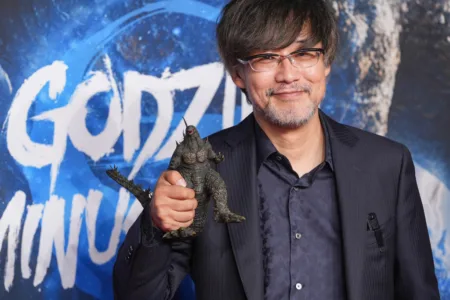
Director Takashi Yamazaki understands this well, and he infuses more human suffering into "Godzilla Minus Zero" (2026) - his follow-up to the surprisingly successful "Godzilla Minus One" (2023) - than perhaps any other Godzilla film before it. The film's fluid, destructive opening following King Ghidorah's attack on the city of Matsumoto sets the tone for a creature feature more interested in the human consequences of its monsters' destruction than the monsters themselves. This approach may frustrate viewers who want to see as much big-screen kaiju action as possible but will prove rewarding for audiences who wish to grapple with this franchise's deeper implications.
The human characters and their dynamics, in fact, help "Minus Zero" stand out amongst the kaiju movie pack. The consequences the characters face - whether they be physical or emotional - help this portrayal of late 1940s Japan feel truly lived in.
One of the frustrations I've had with recent Hollywood monster-verse movies (think 2024's "Godzilla x Kong: The New Empire" and others of its ilk) is their refusal to take anything seriously, especially the human characters. In "Minus Zero," the audience feels the weight of every decision and every action taken. The recently married Kōichi (Ryunosuke Kamiki) and Noriko (Minami Hamabe) make the difficult decisions to help fight the titular monster and King Ghidorah, even if it means straining the relationship with their young daughter, Akiko (Sae Nagatani, giving a heartbreakingly powerful child performance). Dr. Noda (Hidetaka Yoshioka) deals with the weight of taking charge of the Large-Scale Disaster Response Bureau in its efforts to fight the kaiju. Kanji (Min Tanaka) is still reeling from the aftermath of being a Hiroshima survivor. Each main character is carrying some sort of load, and Yamazaki weaves them effectively into the film's central conflict. He does this while also reviving the franchise's core concern over Japanese resilience.
In doing so, Yamazaki also made a film that will surely challenge audiences worldwide, but especially in America. The movie does not shy away from Japan's fractious relationship with the United States in 1949, and the narrative carries with it a message about whether or not vengeance is ever justified. "Minus Zero," then, becomes more complicated and should not simply be viewed as an atomic bomb allegory, as some of other Godzilla films are. Rather, Yamazaki puts a freshly 21st century spin on the franchise, asking his audience to consider the cost of ever-evolving styles of warfare and if building bombs is really better than building bridges. Characters in the film continually reckon with boundaries that humanity shouldn't cross, asking those in attendance hoping for some brutal devastation to play out on screen to consider the weight of what they're watching. Because of this, the film often - maybe too often - shies away from what audiences want from a Godzilla film; it admittedly gets somewhat talky, but those talky moments often strike a relevant, emotional chord.
That being said, the action sequences that do occur surpass the best moments in "Minus One." Accompanied by a thrilling Naoki Sato score, the kaiju-on-kaiju action in the final act and an impressively shot plane sequence about halfway through really stand out. Again, Yamazaki's use of tactility sets us in both scenes, a far cry from the CGI-heavy nonsense of other monster blockbusters. These action scenes are impressive, but it's clear the real heart of the story lies elsewhere, making "Minus Zero" a movie about the humans more so than the monsters.
This focus on the suffering but ultimate hope of humanity truly cements itself as one of the better kaiju movies in its closing minutes. I won't spoil anything, but the actors involved give us the emotional climax that both films have been building towards. It allows the audience some catharsis while leaving the door wide open for more Godzilla-sized sequels.
If Yamazaki continues fleshing out his human characters while remaining faithful to what the best Godzilla films have always been about, a third film would be welcome. Despite some pacing issues and an emotional ceiling that comes with this type of genre film, "Godzilla Minus Zero" proves a giant monster movie can still pack in some giant themes and emotions.
Rating: 3.5/5