
The Way I See It: Around the Neighborhood – a stroll through time and the downtown Parkersburg of the early 1900s
-
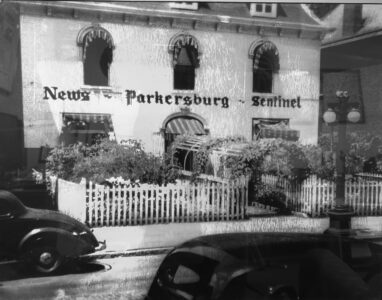
- The original newspaper office at 519 Juliana. St. (Photo Provided)
-
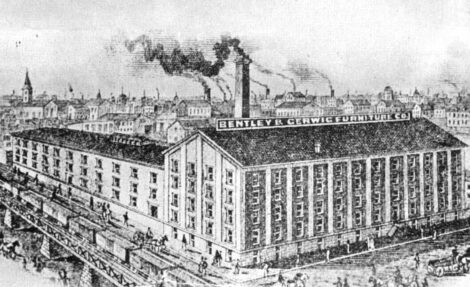
- An artist rendering of the Bentley and Gardwig Furniture Co. that was once at Sixth and Ann streets. (Image Provided)
-
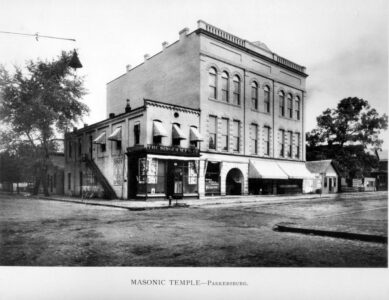
- Fifth and Juliana streets as they appeared around 1900. (Photo Provided)
-
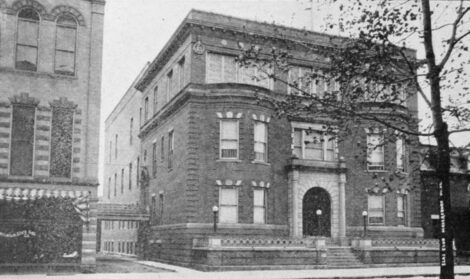
- The Elks Club around 1918. (Photo Provided)
-
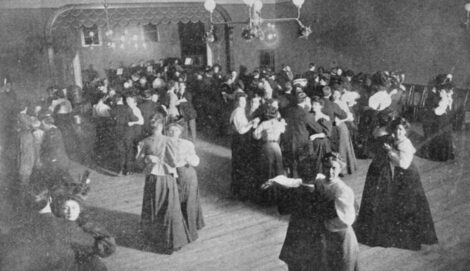
- Students of the Thomas A. Jones Dancing School around 1908. (Photo. Provided)
-
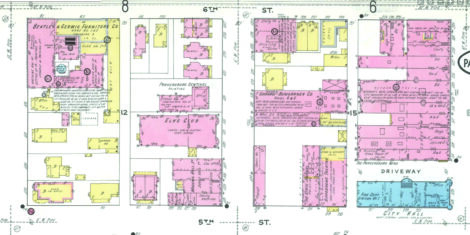
- The Sanborn Fire Insurance map from 1916 of the block in Parkersburg bordered by Fifth, Juliana, Sixth and Ann streets shows how dense downtown blocks were with businesses and houses. (Image Provided)
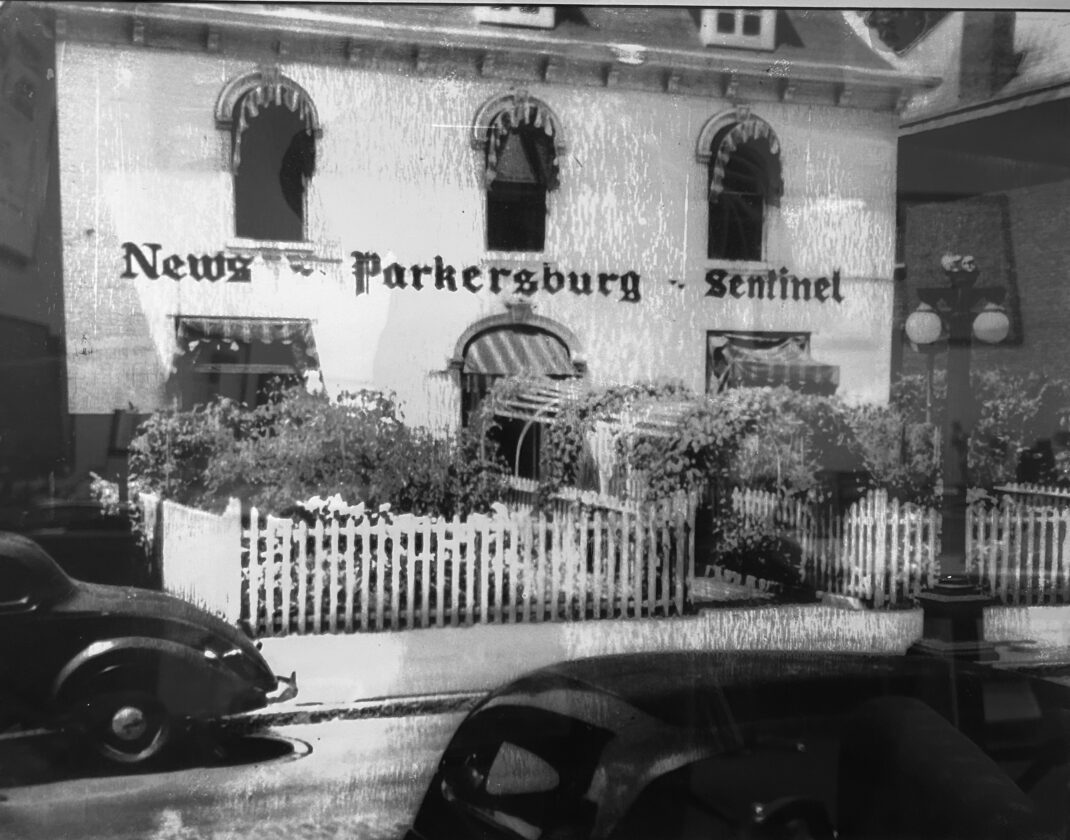
The original newspaper office at 519 Juliana. St. (Photo Provided)
We all have a neighborhood where we live, but we also have one where we work
For the last quarter century, my work neighborhood has been a small section of downtown Parkersburg. Even during that short period, the area between Fifth and Sixth streets and Ann and Markets streets has seen a lot of changes. Looking back a century gives a little insight into how what is now a very commercial area with large buildings and vast parking lots was once more of a neighborhood, with homes and stores to serve the people that lived and worked here.
Our tour of the neighborhood will start at the offices of the Parkersburg Sentinel at 519 Juliana St. Since I do not own a time machine, I am using the Sanborn Fire Insurance Map from 1916 as my guide. The map series provides a detailed look at thousands of neighborhoods, including this one. Photos pulled from a 1908 city directory and other sources let us see how the area looked.
The newspaper is still at 519 Juliana St., but we are now in a large commercial building, not the house that held the newspaper then. If we turn left, we will walk past two identical houses and what appears to be a duplex on the corner. You might be able to hear the press running in a building attached to the back of the offices.
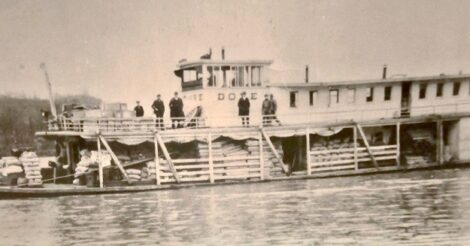
Looming large overhead would be the Sixth Street Railroad Bridge to Ohio. Steam engines would daily pull passenger and freight cars across the Ohio River as they had since the bridge was built in 1869, taking freight and people west towards Cincinnati. As you walk down Sixth Street, you can see sternwheelers making their way up and down the Ohio River. The floodwall would not block your view for decades.
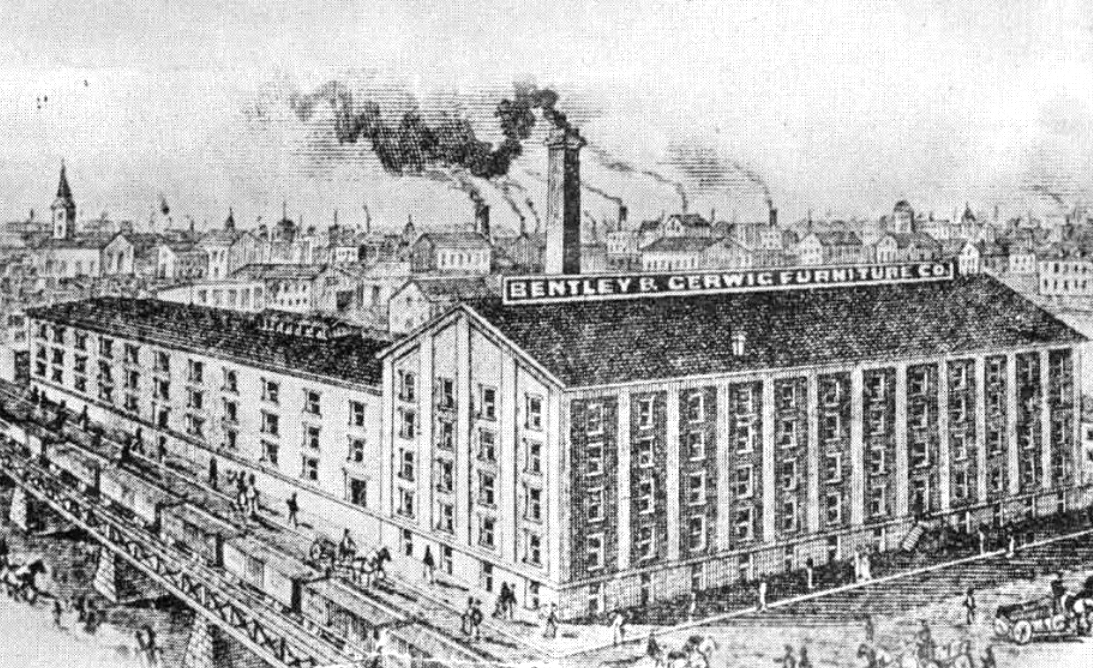
An artist rendering of the Bentley and Gardwig Furniture Co. that was once at Sixth and Ann streets. (Image Provided)
Beyond the alley you will come upon the Bentley & Gerwig Furniture Co. They made a variety of wood furniture at the location, including chairs and rolltop desks. A water tower stood in the middle of the property that had buildings for gluing and finishing dying kilns and another for cabinet making. A two-story office was connected by a walkway to the factory that at some point was featured on a postcard that likely overstated the size of the building, a technique that was common in the day. Some of the goods were sold at a retail outlet a block away on Market Street.
Five other house-size buildings fill the area along Ann Street below the furniture company. They would later be removed to make room for the A&P Grocery Store. That building still stands and is one of our warehouses. The tin ceiling is still in place; on the floor you can see the tile that was between the aisles. On the front of the building, you can still see the circle that was once the A&P logo.
We added a second building next to the “A&P” building to store large rolls of newsprint,
As you head up Fifth Street, you will cross the alley again on your way to Fifth and Juliana Street. The building that today is best known as the home to the former My Way bar, was at that time a sewing machine store with four tiny offices at the rear of it. Next to it was the three-story Masonic Hall. On the second floor you could take dance lessons at Thomas A. Jones Dancing School.
You will next pass the large Elks Club building that sat directly next to the newspaper building and was the largest structure on the block in 1916.
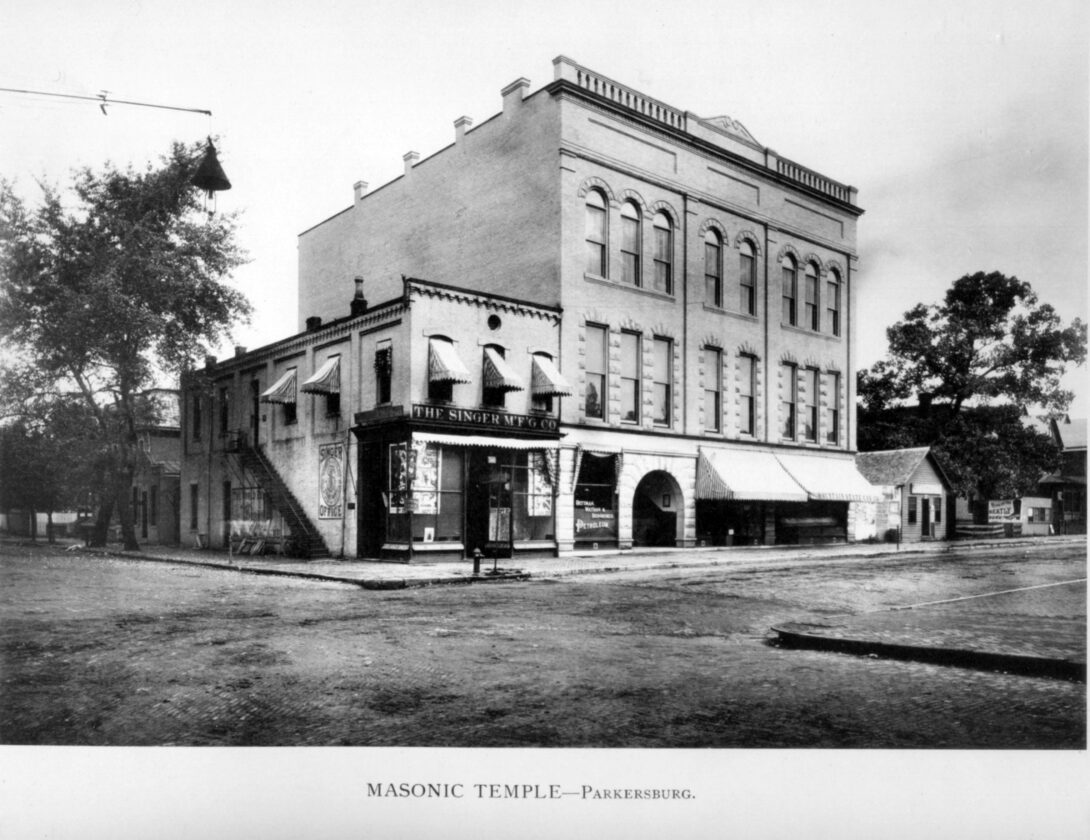
Fifth and Juliana streets as they appeared around 1900. (Photo Provided)
Crossing Juliana Street and heading towards Market Street you will find the State Journal next to the Hippodrome Theatre (now the Smoot) before passing the old stone City Hall that occupied the northwest corner of Fifth and Market. Behind it were the offices of the Parkersburg News.
The Parkersburg News and The Parkersburg Sentinel would later become one company and, in 2009, one newspaper.
In 1918, people moved around Parkersburg via a robust network of street cars, they simply walked from their homes that were integrated into the cityscape, they rode their horse or took their buggy, or they drove one of the newfangled cars that were being sold. Like most cities, downtown Parkersburg later became more urban with few homes and few businesses taking up larger amounts of land.
Art Smith is online manager of The Parkersburg News and Sentinel. He can be reached at asmith@newsandsentinel.com.
***
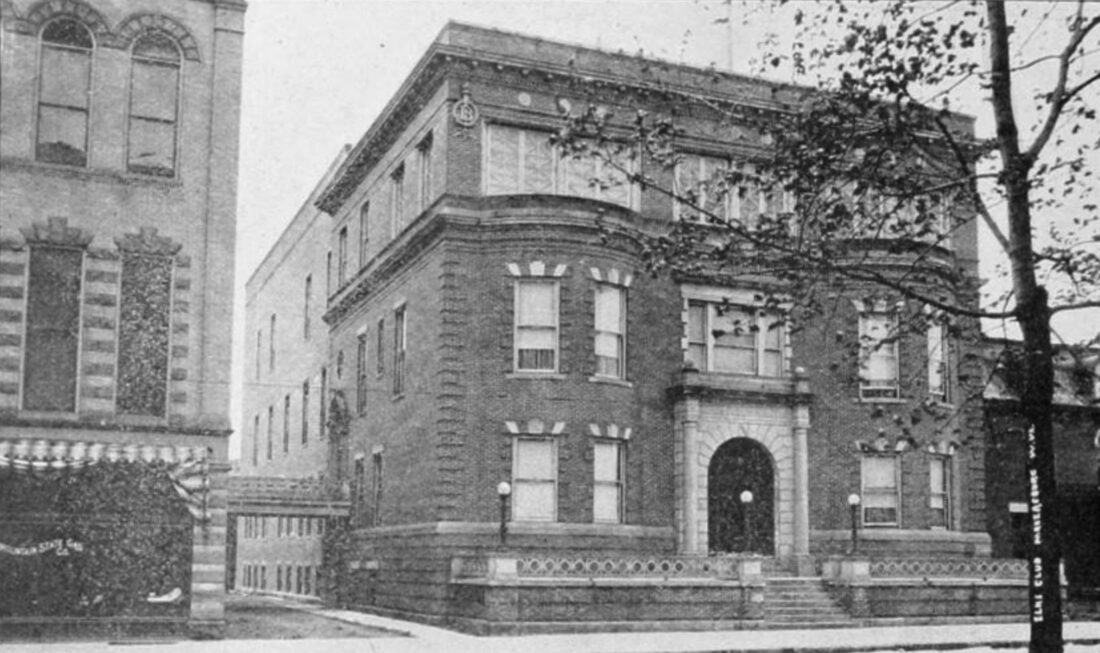
The Elks Club around 1918. (Photo Provided)
Find Your Neighborhood
See how your neighborhood has changed by visiting the Library of Congress website at https://www.loc.gov/ Search for Sanborn and the name of your community to find the historical maps of your part of the world.
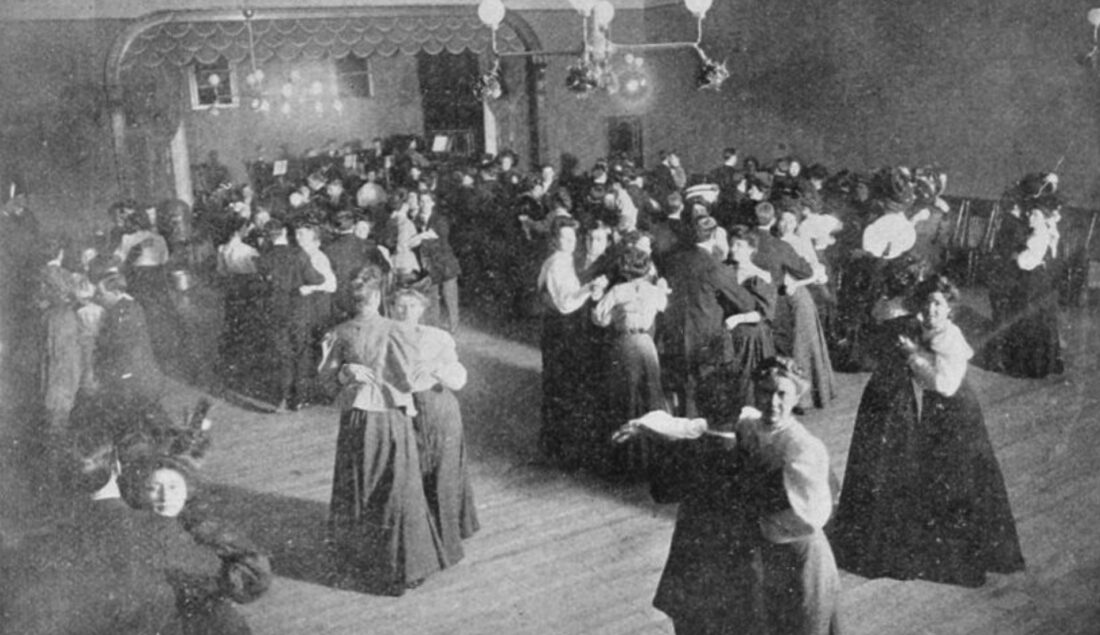
Students of the Thomas A. Jones Dancing School around 1908. (Photo. Provided)
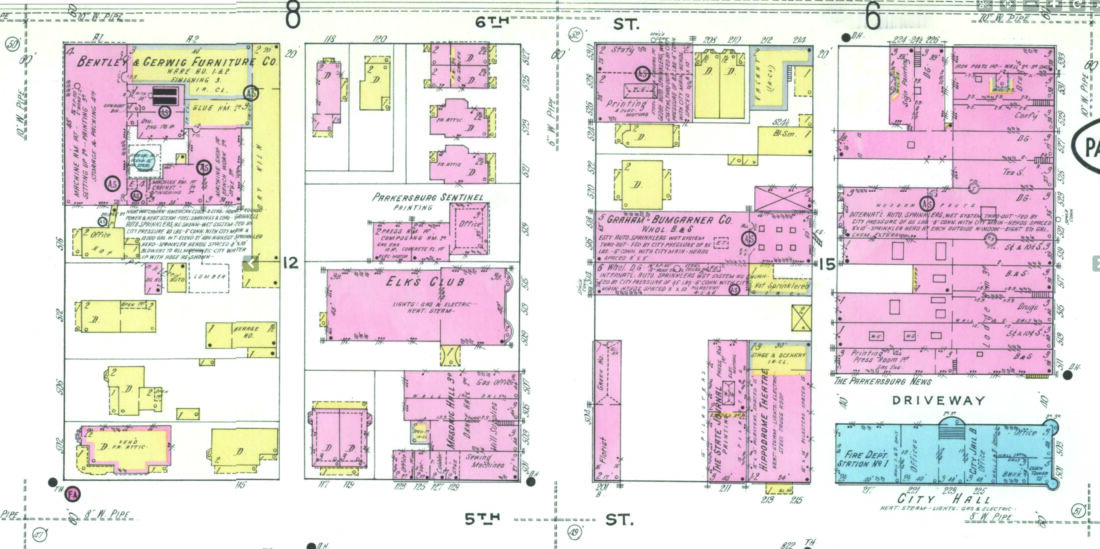
The Sanborn Fire Insurance map from 1916 of the block in Parkersburg bordered by Fifth, Juliana, Sixth and Ann streets shows how dense downtown blocks were with businesses and houses. (Image Provided)
Local columns

Reporter’s Notebook: Hope floats
The Way I See It: Around the Neighborhood – a stroll through time and the downtown Parkersburg of the early 1900s
Look Back: Creston, Calliopes and Dishes, part 2

Kiki’s Corner: Giving up negativity for Lent

Mid-Ohio Valley Climate Corner: Two bad bills in the Ohio Legislature
