
Mid-Ohio Valley Climate Corner: Yes, we have no bananas
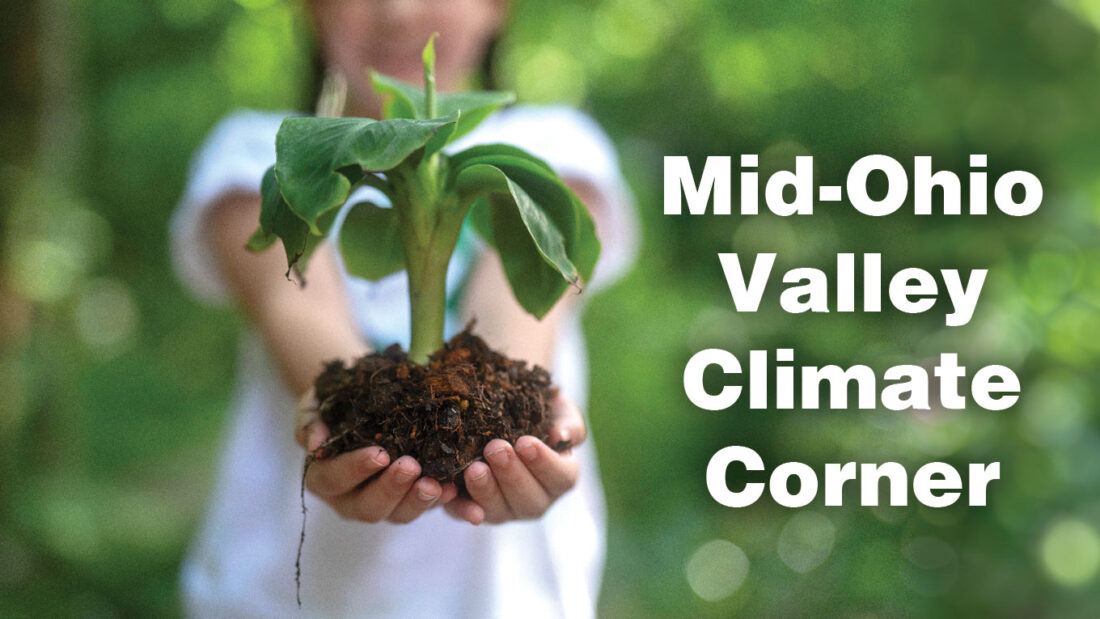
(Photo Illustration - MetroCreativeConnection - Mid-Ohio Valley Climate Corner)
A banana is an elongated, edible frui — botanically a berry — produced by several kinds of large treelike, herbaceous flowering plants.
Bananas are the world’s most consumed fruit – and the fourth most important food crop globally, after wheat, rice and maize. About 80% of bananas grown globally are for local consumption, and more than 400 million people rely on the fruit for 15% to 27% of their daily calories. They are a staple food as well as a major export commodity for many tropical nations. Affordable and nutritious, bananas have long been a supermarket staple for consumers around the globe. But that could soon change, as climate change is contributing to a global shortage of the world’s most consumed fruit.
Bananas, as we know them, are in danger of going extinct.
More than 1,000,000,000 bananas are consumed worldwide each year making this the world’s most popular fruit, but that number could be shrinking. By 2080 it’s expected that almost two-thirds of the banana growing areas in Latin America and the Caribbean will no longer be suitable to grow bananas because of rising annual temperatures in the region.
Bananas need warm, humid conditions. Rising temperatures and erratic rainfall/droughts stress plants, reducing photosynthesis and yield, making them vulnerable.
Climate change severely threatens bananas through rising temperatures, extreme weather (droughts, floods, storms), and the accelerated spread of fungal diseases — reducing suitable growing land, increasing costs, and risking the dominant Cavendish variety, suggesting the need for urgent adaptation via new resilient varieties and sustainable farming practices.
These tropical yellow fruits need a temperature range of between 60-95 degrees Fahrenheit to thrive but are also very sensitive to water shortages. Storms are a big problem with shredding leaves, making it much harder for the crop to photosynthesize. Floods erode soil, while strong winds and storms damage plants, spreading diseases and disrupting supply chains, leading to shortages and higher prices
In each of the banana-producing countries, climate change poses a significant threat to banana production by raising temperatures, altering rainfall patterns, and increasing the spread of fungal diseases, which thrive in these conditions and can devastate plantations.
Shifting climate patterns–including warming temperatures and humidity–are exposing crops around the world to a variety of fungal diseases. Experts expect that over time further spread of those diseases will have a large impact on supply. This is a trend that will continue to accelerate.
Temperatures in the 90s and above, even for brief amounts of time during the entire growing season, can cause large losses in the yield you get from a given plot of land at the end of the growing season.
Bananas are at a critical junction right now, with their future firmly in the hands of science. And while there may be a solution, it could forever change how the iconic fruit tastes.
Scientists are working on a solution. They are using a genetic bank from 150 different species of banana to breed an edible, disease-resistant fruit. While it would save the fruit, it would taste, and potentially feel, different to the ones we’re used to.
Most bananas sold in the U.S. come from Latin American countries like Costa Rica and Colombia. India produces the most bananas in the world, growing over 30 million tons annually, primarily for domestic consumption. As the climate warms, these countries may no longer be optimal locations for growing the fruit. The tropics, which are already very, very hot, are becoming hotter.
The possibility of adapting by moving the industry to other parts of Latin America may be difficult. Growing bananas requires people to work on the banana plantations, needs water to irrigate banana plants, and depends upon ports to ship bananas all over the world. The regions that will be most suitable in terms of climate will be further away from ports, they may not be as well supplied with irrigation, and they may not have the people there to work in those regions. These other factors are going to constrain the industry’s ability to adapt.
Bananas are not just the world’s favorite fruit; they are also an essential food for millions of people. The climate change-induced shortage doesn’t necessarily mean empty shelves at the grocery store — but it does mean higher prices.
Bananas, like other favorite American comestibles — coffee, apples, chocolate, tequila — are demonstrating their susceptibility to the impact of Climate Change.
Until next time, be kind to your Mother Earth.
***
Linda Eve Seth, SLP, M.Ed., is a mother, grandmother, concerned citizen and member of Mid Ohio Valley Climate Action.
Local columns

Op-ed: Capitol Connection – the home stretch

The Crochet Lady: Crocheted peeps a sugar-free but sweet treat in their own right

Kiki’s Corner: A good hare day ahead for Easter Parade

Mid-Ohio Valley Climate Corner: Yes, we have no bananas

Editor’s Notes: Harm reduction effort working
