The Way I See It: Early hunting nearly wiped out Ohio’s wildlife
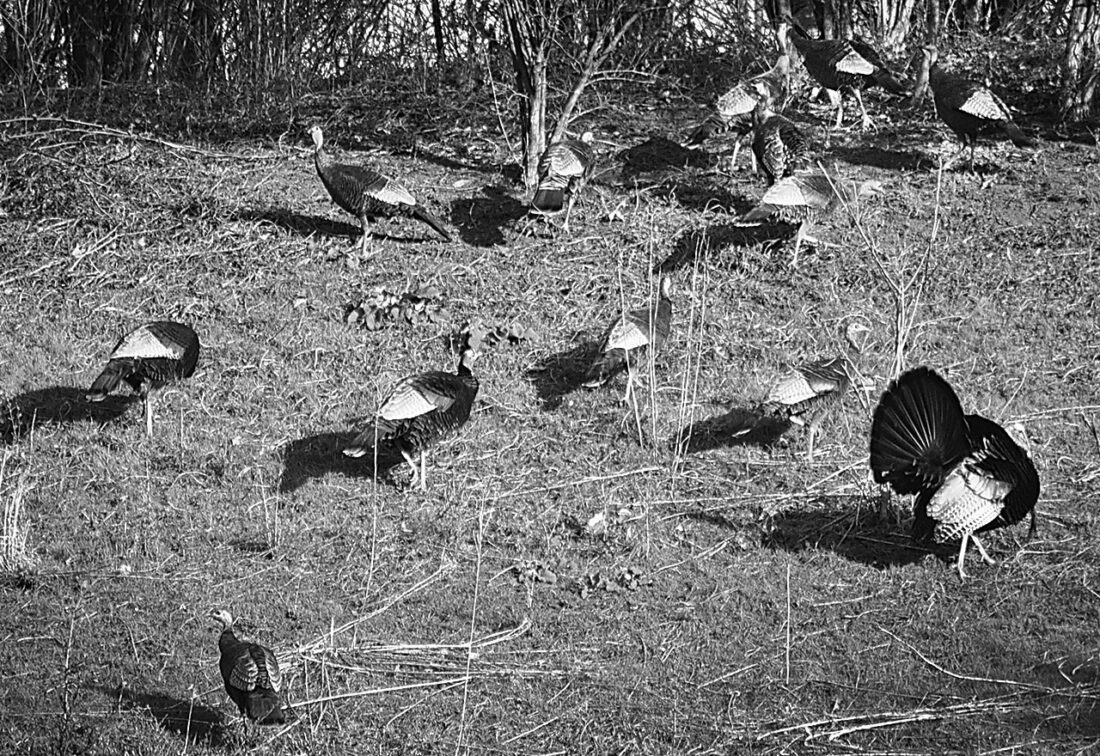
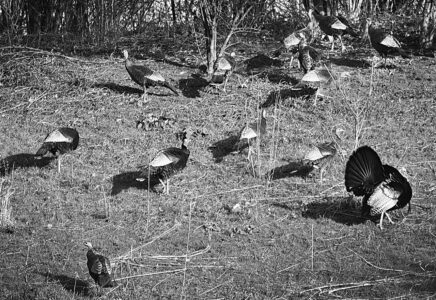
Wild turkeys were common in the 1700s, were later nearly wiped out, and can once again be spotted in the area’s fields and woods. (Photo Provided)
When hunters take to the woods of Washington County this year, they will be looking for white tail deer that can be found abundantly in our woods and sometimes on our highways.
Prior to the arrival of the European settlers in the 1700s, the area had an incredibly diverse amount of wildlife in the woods. Their arrival quickly had a negative impact on a wide variety of species.
The 1848 book “Pioneer History: Ohio Valley, and the early Settlement of the Northwest Territory” by S.P Hildreth, describes much of the wildlife that the early residents of the area had available to them.
Bison were common in the area. During the winter of 1792 Hamilton Keer and Peter Niswonger killed half a dozen of the giant animals along Duck Creek near what is today, Stanleyville. “They were fat and of the first quality of meat,” according to Hildreth’s book. “Their food, altogether of the wild grapes, no doubt flavored and enriched their flesh.” The last bison in Ohio was killed in Lawrence County in 1803. Nationwide, just 541 of the animals were alive by 1889. Through conservation efforts the species now number more than 30,000 across the country.
Elk, which so far has not returned to Ohio, could also be found around the area when the European settlers first arrived.
In the fall of 1790, a plentiful number of turkeys could be found in the forest. They feed on beechmast, the nut dropped from the tree. Turkeys were so common that those raising corn had to protect their grains from them.
One man, reported Hildreth, killed 40 in one day. Others captured them in pens to be used later for food. They provided a lot of meat, with some weighing as much as 30 pounds. By 1904 none remained in Ohio. Through conservation efforts they have rebounded with current populations in the state thought to be around 180,000. They can frequently be seen picking up the scraps in harvested cornfields.
In the winter of 1792 hunters Kerr and Niswonger killed 45 deer in one day near what is now Fleming, returning the next day with horses to haul them all back to Fort Harmar. A century of unregulated hunting dropped the deer population in Ohio so low that in 1922 deer from Michigan were brought to Scioto County as part of a reintroduction effort. The species rebounded with more than 200,000 being taken by hunters each year.
The migration of squirrels was an interesting phenomenon that many wrote about. Hildreth wrote of millions of the animals moving from north to south in the fall, destroying whole fields of corn as they moved en masse to warmer climates.
Meriwether Lewis, in the journal kept during the Lewis and Clark Expedition in 1803, wrote of squirrels swimming across the Ohio River upstream of current day Newport. “I made my dog take as many each day as I had occasion for, they were fat and I thought them when fried a pleasant food — many of these squirrels were black, they swim very light on the water and make pretty good speed — my dog was of the newfoundland breed very active strong and docile, he would take the squirrel in the water kill them and swimming bring them in his mouth to the boat.”
Panthers and bears were somewhat common in the hills but were shyer than the wolf and wildcats that would not only attack pigs but also the sheep that were in the pens of farmers. The bear population in Ohio today is estimated to be 50-100, with most of them being in the forested areas on the eastern side of the state.
The threat of wolves in the early 1800s were so bad that the state offered a bounty for their killing. By 1842 they were gone for good from Ohio. None are known to exist within the state today.
Beavers were common in the rivers in the late 1700s until they were trapped out of existence by around 1805. They have rebounded, however, since the early 1960s, with an estimated 5,000 colonies in the state today.
Conservation efforts and the control of pollution have helped many species rebound in Ohio and have allowed today’s generations to enjoy animals that their great-grandparents would have rarely seen.
Art Smith is online manager of The Marietta Times and The Parkersburg News and Sentinel. He can be reached at asmith@mariettatimes.com.