
Goosebumps: Ohio book banning trends truly frightening
Trending
School book ban trends come and go, but there are always groups of people who want to keep their children from having access to reading material that might expose them to new ideas or, worse, ask questions.
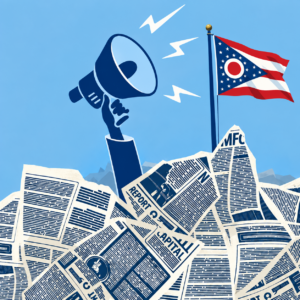
The problem is particularly bad in Ohio, which ranks third among the states in PEN America's study of school book bans for the 2025-26 school year. The free-expression advocacy group counted 117 instances of school book bans in the Buckeye State during that period. Only Texas and Florida were worse. Across the country, 11,982 books -- 7,370 unique titles -- were banned in public schools last school year.
Not all challenged books are banned, as Axios Cincinnati reported. Its look at a Cincinnati Enquirer investigation from 2024 found 56 book challenges across nine southwest Ohio and northern Kentucky school districts alone during that period. Fortunately, not everyone who is afraid of a book succeeds. But according to PEN America, last school year saw the highest number of recorded bans in a single year since the organization began tracking them.
The charge is being led by bully politicians who are worried about what might happen to their careers if young people read, learn, expand their horizons, ask questions, strike up conversations with the rest of their families, and just generally discover what is being kept from them.
" ... Politicians increasingly pressure districts to ban books by sending threatening letters, putting administrators through hearings, or other measures that lead to overcompliance," according to PEN America's report.
What are these folks afraid of? Well, back in the 1990s, it was, literally, fear, itself.
R.L. Stine's popular children's series "Goosebumps" was a favored target.
"My whole career is about getting [kids] to read. That's all it's about," Stine told Axios. "Goosebumps isn't about terrifying kids. It's not about that. It's about showing them that books can be really easy to read and really entertaining."
Given that perspective, maybe book banners were afraid of "Goosebumps" because they saw it as a gateway to more reading. Oh, the horrors.
Whatever the reason, looking back now we can almost laugh at the absurdity of wanting to ban "Goosebumps" from public schools and libraries.
And in 20 or 30 years, the books that so terrified book banners in 2025-26 will likely bring a chuckle of embarrassment, too. In most of the country, anyway. Recent trends suggest Ohio has some work to do to avoid being the butt of the jokes.