
Get ready for fall colors
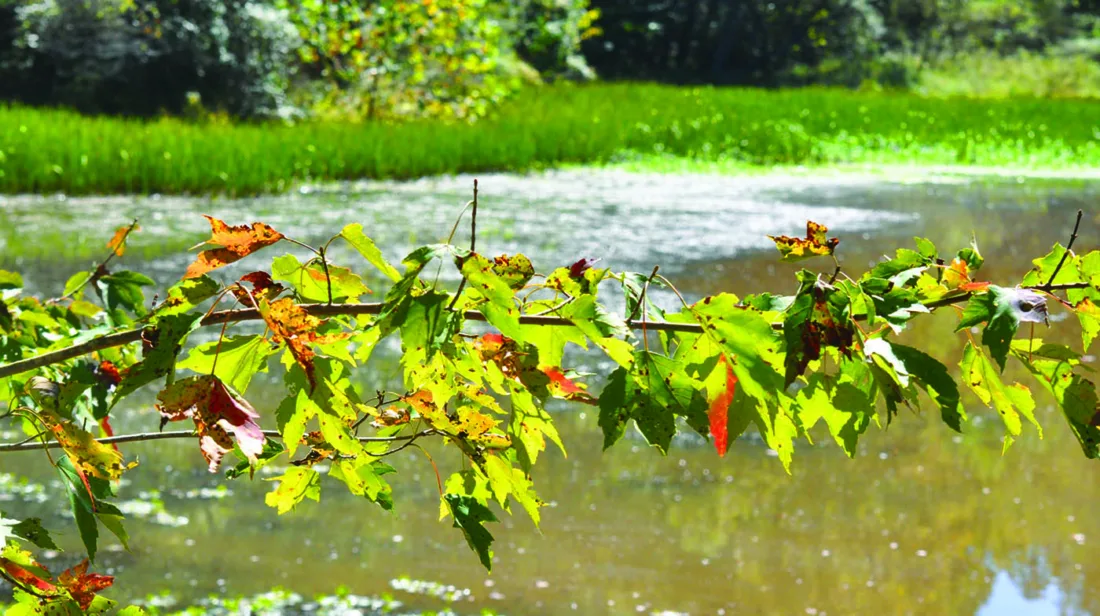
Photo by Art Smith Maple leaves begin turning this week at McDonough Park in Vienna.
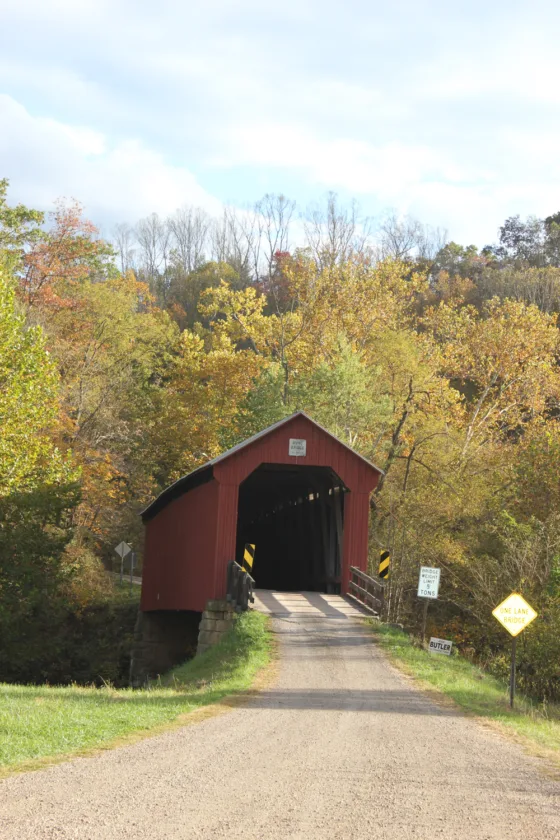
File Photo Leaves start turning at the Hune Bridge off State Route 26 in Washington County, one of the stops on the 2016 Little Muskingum Watershed Fall Foliage Tour. The annual event will be held Saturday and Sunday.
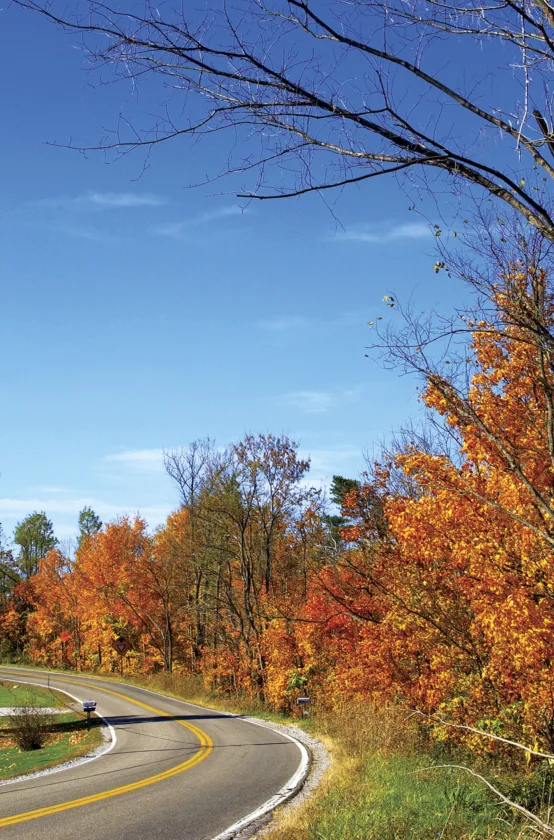
File Photo courtesy of West Virginia Department of Commerce Leaves should change colors by mid-October in the Mid-Ohio Valley, WVU Extension Agent J.J. Barrett said. Among places in the region to leaf peep will be West Virginia 62 in Jackson County.
Photo by Art Smith Maple leaves begin turning this week at McDonough Park in Vienna.
File Photo Leaves start turning at the Hune Bridge off State Route 26 in Washington County, one of the stops on the 2016 Little Muskingum Watershed Fall Foliage Tour. The annual event will be held Saturday and Sunday.
File Photo courtesy of West Virginia Department of Commerce Leaves should change colors by mid-October in the Mid-Ohio Valley, WVU Extension Agent J.J. Barrett said. Among places in the region to leaf peep will be West Virginia 62 in Jackson County.
Trending
PARKERSBURG - Look for leaves to change colors around the third week of October in the Mid-Ohio Valley, the extension agent for Wood County said.
"Get out in the countryside, away from the city and suburbs," J.J. Barrett, WVU extension agent, said.
While the leaves in the higher elevations on the eastern side of West Virginia are turning, there's no shortage of tree species and color around here, Barrett said.
"Our valley is blessed with a variety of deciduous trees with beautiful fall foliage. Wayne National Forest, Mountwood Park, North Bend Park are just a few areas," Barrett said. "Take a scenic drive on a two-lane highway or back country road to enjoy the fall color of our tulip poplars, oaks, maples, black walnut, hickories and other native trees."
The Ohio Department of Natural Resources and the West Virginia divisions of Forestry and Tourism have plenty of online information about foliage changes, when and where to go.
Fall colors in Ohio are off to a slow start, but a great season is still expected.
"For the first time in numerous years, we are entering autumn with a potentially typical fall season," David Parrott, fall color forester for the Ohio Department of Natural Resource, said. "Some colors are starting to dot the tree canopies and we seem to be on track for a great fall color season."
Three factors that cause leaves to change color in the fall are the length of the day, pigments in the leaf and the weather, Barrett said. Of the three, the only constant is the length of the day, which shortens while the night lengthens as the winter solstice approaches in December.
"Following the summer solstice in June, daylight shortens in the Northern Hemisphere and the nights become longer. The decreasing daylight triggers certain reactions in trees and leaves," Barrett said. "The most brilliant leaf displays follow a period of cool nights and warm days filled with sunshine."
An early, hard freeze will quickly cause leaves to shrivel, die and turn dull brown or gray, he said.
Fall colors are driven by the pigments chlorophyll, carotenoids and anthocyanins. Weather influences each of the pigments, Barrett said.
The green pigment chlorophyll is needed for photosynthesis and is dominant during the growing season. In the fall, days shorten and temperatures cool, which causes plants to prepare for winter by reducing production of chlorophyll and restricting the movement of carbohydrates (sugars) to the leaves, he said.
Carotenoids are always present, but are masked by chlorophyll, Barrett said. In the fall, chlorophyll production stops and the green fades, exposing the yellow and orange hues of carotenoids.
Anthocyanins produce red and purple and are produced in late summer and early fall when carbohydrates are restricted. Anthocyanin production is affected by warm days and cool nights and enhances colors, Barrett said.
"Not every tree or shrub species produces carotenoids or anthocyanins in equal quantities. This is what creates differences in fall color from species to species," Barrett said. "Sugar maple, the state tree of West Virginia, exhibits fall foliage which may vary from yellow to orange to reddish orange. The foliage of white oaks is often reddish brown and red oaks exhibit wine-red foliage. Tulip polar leaves turn a golden-yellow hue."
Summer weather conditions have a definite affect on color and when leaves change, he said.
"Soil moisture plays a huge role in fall leaf color. Abundant moisture this summer will produce the most brilliant colors in our leaves here in the Mid-Ohio Valley," he said. "Temperature, light and water supply are the primary factors that influence the synthesis of carbohydrates that favors anthocyanin formation and bright fall color."
Cool, but not freezing, temperatures encourage the production of anthocyanin, Barrett said. Early frost is more likely to kill leaves, making them turn brown and fall sooner from the trees while bright light favors red, which often develops on exposed leaves, he said.
“Water supply also affects anthocyanin production, with mild drought favoring bright reds. Rainy days occurring near peak coloration will decrease color intensity," he said. "Late summer droughts can delay the onset of fall color by a few weeks."
Temperature, sunlight and moisture are variable each year, which means no two autumns are alike, he said. The same species of individual trees that grow together often will show differences in leaf color because of variations in the amount of sugars in the leaves and genetic factors, Barrett said.
"Some reach their peak color earlier than others,” he said.