
Acton pledges three-year injection well moratorium
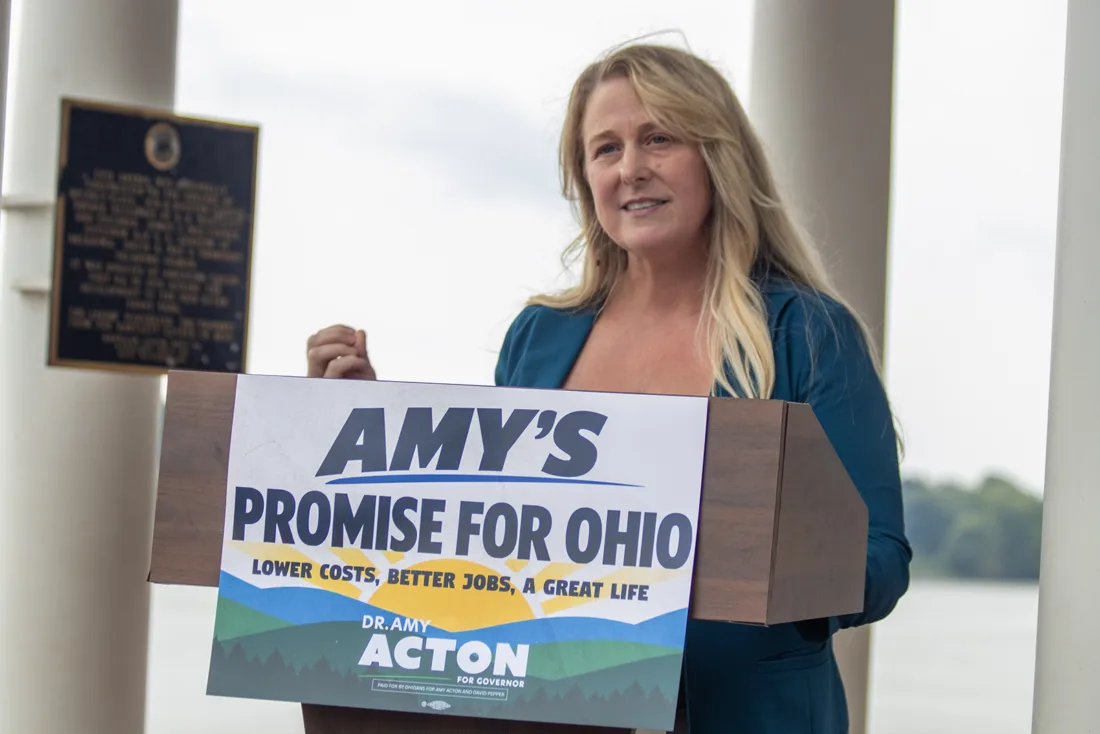
Jessica Archer, a Marietta resident and Washington County For Safe Drinking Water member, shares her concerns regarding injection wells during a press conference in support of Dr. Amy Acton Thursday afternoon. (Photo by Gwen Sour)
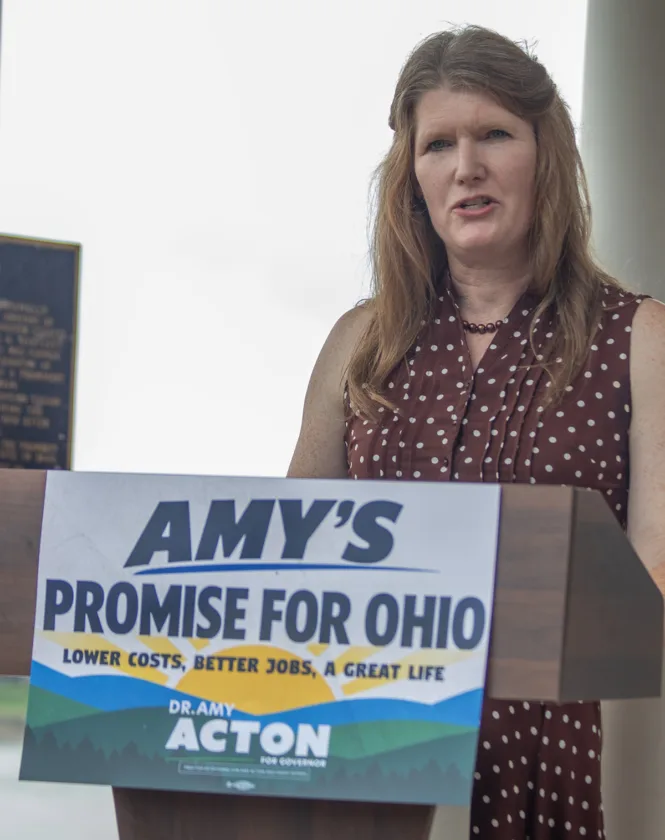
Marietta City Council President Susan Vessels backs Dr. Amy Acton for governor during a press conference Thursday afternoon. (Photo by Gwen Sour)
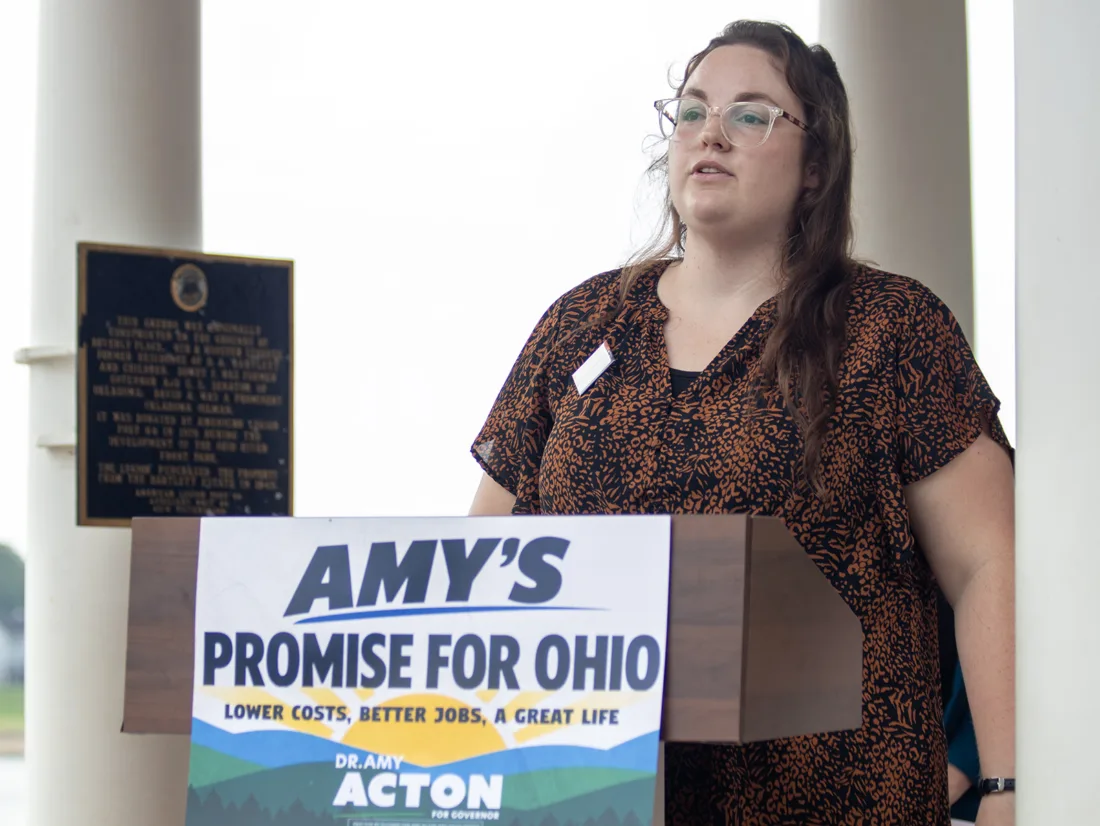
Hillary Royster, a Belpre resident and Washington County For Safe Drinking Water member, shares her concerns about heating services being effected by injection wells during a press conference for Dr. Amy Acton. (Photo by Gwen Sour)
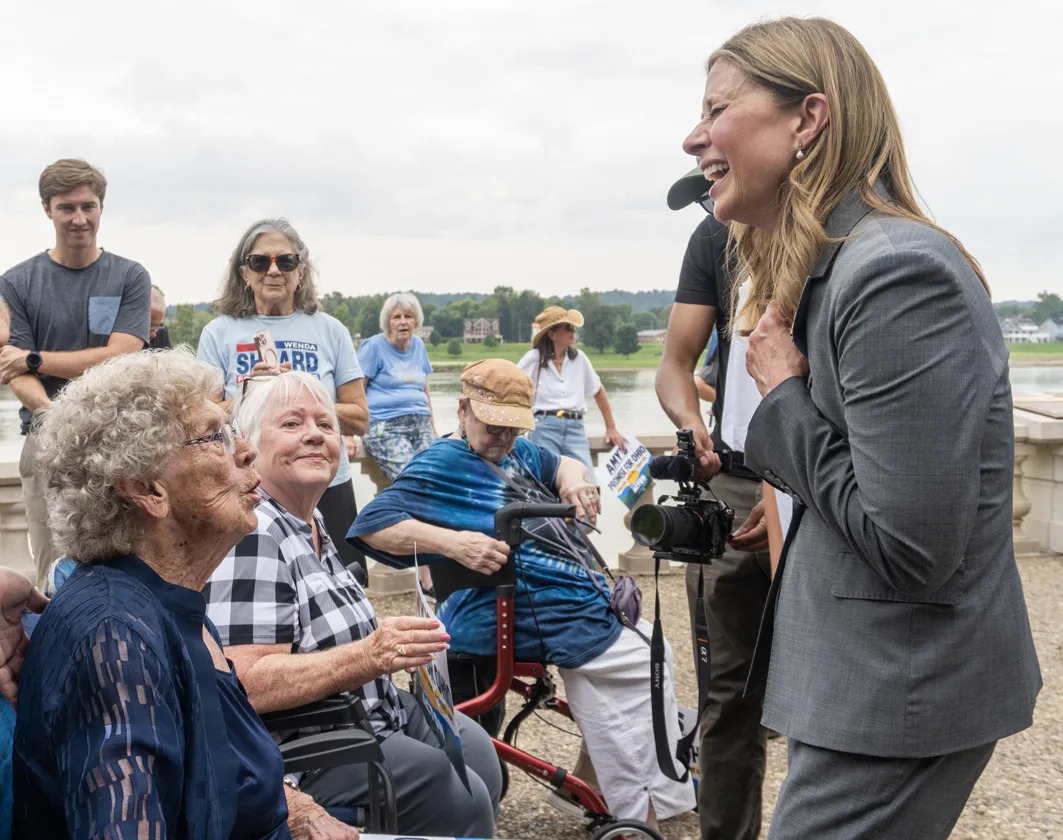
From left, Joy Ryan, known online as "Grandma Joy" who recently traveled to all 63 U.S. national parks shares a laugh with Dr. Amy Acton during Acton's tour to Marietta Thursday afternoon. (Photo by Gwen Sour)
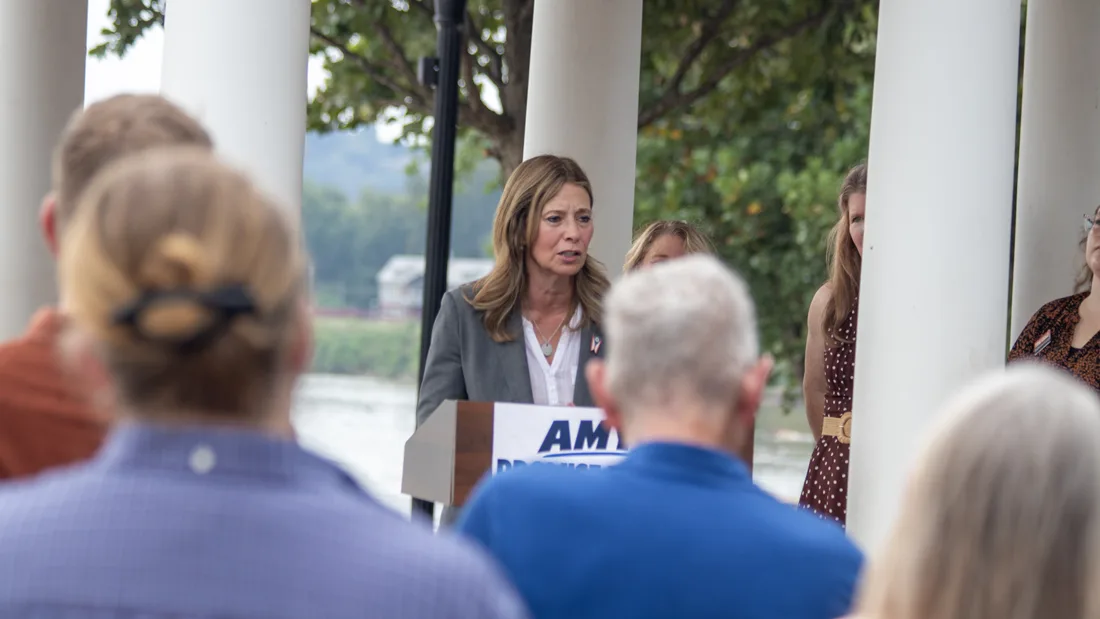
Dr. Amy Acton speaks to a small crowd Thursday afternoon at the Ohio Riverfront Park where she promised, if elected, she would call for a 3-year moratorium on injection wells. (Photo by Gwen Sour)
Jessica Archer, a Marietta resident and Washington County For Safe Drinking Water member, shares her concerns regarding injection wells during a press conference in support of Dr. Amy Acton Thursday afternoon. (Photo by Gwen Sour)
Marietta City Council President Susan Vessels backs Dr. Amy Acton for governor during a press conference Thursday afternoon. (Photo by Gwen Sour)
Hillary Royster, a Belpre resident and Washington County For Safe Drinking Water member, shares her concerns about heating services being effected by injection wells during a press conference for Dr. Amy Acton. (Photo by Gwen Sour)
From left, Joy Ryan, known online as "Grandma Joy" who recently traveled to all 63 U.S. national parks shares a laugh with Dr. Amy Acton during Acton's tour to Marietta Thursday afternoon. (Photo by Gwen Sour)
Dr. Amy Acton speaks to a small crowd Thursday afternoon at the Ohio Riverfront Park where she promised, if elected, she would call for a 3-year moratorium on injection wells. (Photo by Gwen Sour)
Trending
MARIETTA - Democratic gubernatorial candidate Dr. Amy Acton pledged to halt new permits for wastewater injection wells and further wastewater injections in Washington County for three years if elected, calling for an investigation into wastewater migration.
Acton, a former director of the Ohio Department of Health, made the commitment during a press conference at Ohio Riverfront Park in Marietta alongside members of Washington County for Safe Drinking Water and Marietta City Council President Susan Vessels.
“Three years is for a reason,” Acton said. “we must do the kind of comprehensive studies that will let us know that we’re making the right decisions as a community and as a state.”
In a written statement, Acton said leaking wastewater threatens residents’ safety, local businesses and access to reliable heating.
“Ohioans deserve reliable heat, clean water and to feel safe and secure in their community,” the statement read.
The speakers raised concerns about oil and gas wastewater migrating beyond underground injection zones, which they claim has damaged production wells and threatened natural gas service to area homes. They urged state officials to act before drinking water sources are affected.
Jessica Archer, a volunteer with Washington County for Safe Drinking Water, said the effort to secure a moratorium has brought together residents across political parties, including oil and gas producers, farmers and families concerned about their water supply.
Archer said Marietta City Council unanimously approved a resolution calling for a three-year moratorium, with support from eight other local water authorities. She said the request requires state action and that an appeal delivered to Gov. Mike DeWine had gone unanswered.
“The people of Washington County have earned the right to ask hard questions and get answers,” Archer said.
Dan Tierney, spokesperson for the Ohio Governor’s office, said the Ohio Department of Natural Resource is the state’s primary agency responsible for regulating injection wells. He said ODNR has held regular meetings with the local officials on the topic.
Hillary Royster, a Belpre resident and member of the washington County for Safe Drinking water group, describe the potential impact on her household. She said she received an August letter from Knox Energy warning that natural gas would no longer be a reliable energy source for her home and recommended she find another source of heating.
Royster said 160 other residents received similar letters. She said 45 residents received notices that their gas service would be permanently disconnected on Oct. 29.
Royster said the letter identified Bob Wilson of Wilson Energy as her gas supplier. She said Wilson and other local producers had reported losing wells to migrating brine. She described calling propane companies and researching equipment conversions as she considered alternatives.
“We are left to find and pay for solutions on our own,” Royster said. “As a working-class Ohioan trying to afford groceries and the holidays coming up, this is the last letter I wanted to receive.”
Vessels, a Republican, said protecting drinking water and maintaining the region’s energy industry are compatible goals.
“Natural gas production and clean water are not mutually exclusive; both can and must coexist,” she said.
Vessels said council approved its moratorium resolution last October because of concerns about nearby injection operations. She said three active injection wells are less than 1.8 miles from Marietta’s aquifer.
“The help we are asking for boils down to a simple rule - do not allow oilfield waste injection near public drinking water aquifers,” Vessels said.
Acton said oil and gas would remain part of her energy strategy and emphasized the industry’s role in southeastern Ohio’s economy. She also called for greater accountability in state agencies and said protecting water supplies is essential both to public health and economic development.
Wenda Sheard, a Democratic candidate for Ohio’s 94th House District, which includes Washington County also supported the proposed moratorium in a release.
“It’s about time that Washington County residents (who are) concerned about their drinking water have a voice in Columbus,” Sheard said.
when asked about concerns surrounding a proposed data center in the Waterford region, Acton said she supports a conditional moratorium on data centers, citing electricity costs, energy needs and the importance of giving communities a voice in development decisions.
“I’m very open for business, but we are not for sale in Ohio,” Acton said.
She said protecting water and air would be priorities and expressed a preference for using brownfields and other sites instead of prime agricultural land.
Acton also said she opposes fracking on public lands and in parks. Asked how she would make the ODNR more responsive to residents, she said she would expect agency leaders to listen to communities and work with officials from both parties.