
W.Va. Attorney General shifts future opioid funds from foundation to state, local control
Trending
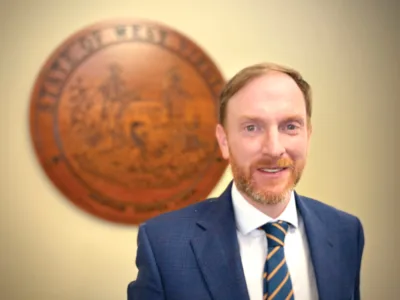
CHARLESTON – More than four years after state, county and city leaders agreed to create a private non-profit foundation to distribute millions of dollars in opioid settlement dollars, West Virginia Attorney General J.B. McCuskey announced a change in how future settlement dollars are distributed.
In a press release Tuesday afternoon, McCuskey announced he was moving away from the established distribution model defined by the “West Virginia First memorandum of understanding (MOU), the agreement between the state and local governments that created the West Virginia First Foundation, a non-profit empowered with distributing nearly $1 billion in opioid settlement monies.
According to McCuskey, the new directive prioritizes direct funding for state and local government entities. Under this plan, future opioid settlement recoveries will be managed by the West Virginia Legislature at the state level and by mayors and county commissioners at the local level.
“The Foundation, which has already begun spending the nearly $800 million it will receive from the earlier settlements, now has the necessary resources to fulfill its important mission,” McCuskey said. “Now is the time to allow the State and local government to do the same.”
Representatives of the cities and counties involved in opioid litigation, as well as former attorney general Patrick Morrisey, now the state’s governor, agreed to a memorandum of understanding in 2023 to create the West Virginia First Foundation. The agreement included all 55 counties and more than 220 cities.
Johnson and Johnson, Teva, Walgreens, CVS, Kroger, Walmart, Allergan and Rite Aid agreed to a $940 million settlement with the state and local governments for their part in manufacturing and distributing prescription opioids in West Virginia, feeding a substance use crisis.
The West Virginia First MOU created a formula for the distribution of opioid settlement dollars, with 24.5% going to cities and counties, 3% going to the Attorney General’s Office and 72.5% going to the West Virginia First Foundation.
"We have made significant progress in the fight against opioid addiction in West Virginia – a testament to the great work of my predecessor, Governor Morrisey, his team, and all of the men and women across the State who have committed their lives to solving this crisis and guaranteeing that West Virginia's best days are ahead,” McCuskey said. “As my team continues to aggressively pursue all who contributed to this crisis, I want to ensure that everyone fighting alongside of us has the money to achieve their objectives.”
McCuskey said the new distribution model would reduce the share of recoveries paid to third parties and for attorneys' fees, ensuring that a higher percentage of opioid settlement funds reaches the intended beneficiaries.
"As the former State Auditor and a former legislator, I have worked with both the legislature and our local governments and am confident that they know best what their communities need,” McCuskey said. “I am excited to see the thoughtful and effective ways that my friends in both local governments and the Legislature use this increased funding to better the lives of their constituents."
A spokesperson for the Attorney General’s Office said the change would not affect any opioid settlement funds the West Virginia First Foundation already manages or current grant programs administered by the foundation.
According to the West Virginia First Foundation’s financial report for fiscal year 2026 which ended on June 30, the foundation has received more than $336 million in opioid settlement funds to date, as well as more than $25 million in investment earnings. As of the end of June, the foundation has distributed nearly $26 million in grants and direct funds.