
West Virginia First Foundation one step closer to executive director

(Capitol Notes - Graphic Illustration/MetroCreative)
CHARLESTON — The foundation created to distribute hundreds of millions of dollars in opioid settlement dollars to combat West Virginia’s substance use disorder crisis is close to naming its first executive director. The West Virginia First Foundation met on short notice Friday afternoon, with several foundation members in Charleston for a meeting of the Governor’s Council on Substance Abuse Prevention and Treatment. “That was just information sharing by them for us for our benefit,” said Jefferson County Prosecuting Attorney Matt Harvey, the chairman of the foundation. “I thought it was very informative. I think some good connections were made out of that that will help us in our work going forward.” The foundation voted to present a formal employment offer to a candidate for the position of executive director. Details of the formal employment offer were not available Friday, not was the name of the executive director candidate released. Prior to the vote, the foundation entered into executive session to discuss the matter, citing personnel issues. Harvey confirmed that the name of executive director will be released once they formally accept the job. According to the memorandum of understanding that created the West Virginia First Foundation, the Attorney General’s Office is empowered with hiring an executive director for the foundation, though the hire is subject to approval of the foundation. The foundation can reject a candidate for executive director by a vote of eight foundation members. The executive director is required to have at least six years of experience in healthcare, finance, and management. The executive director is responsible for maintaining all records for the foundation. The foundation can remove a future executive director by a three-fourths vote. Attorney General Patrick Morrisey, who pushed for creation of the Foundation, announced in June that his office selected DRi Waterstone Human Capital to conduct the search for the executive director at a cost of around $66,000. “I think this is going to help us identify someone who then ultimately we can recommend to the counties and to the cities and hopefully get that adopted and a really good person on board,” Morrisey said in June. The foundation was informed Friday that the first requests for proposals for investment, accounting, and tax services were set to go out at the end of the day. The RFPs will be available to anyone who requests them, and also be available on a website – wvfirst.org. Those are very important things that will keep us on track for our deadlines,” Harvey said. “So those are going out today and be available on the website.” The foundation also voted to pay more than $52,000 in two invoices for services being rendered to the foundation. The first invoice was $34,291 for legal services provided by Lewis Gianola PLLC. The other was $17,929 for accounting services by Smith Cochran Hicks PLLC. As of the end of November, the foundation had more than $217 million in opioid settlement funds, earning more than $104,000 in interest. Approximately $940 million has been secured in settlements with multiple opioid manufacturers, distributors and prescribers, though that is the gross dollar amount. The final amounts are still being negotiated, with some to go toward attorney fees. Representatives of the cities and counties involved in opioid litigation – as well as the Attorney General’s Office – agreed to a memorandum of understanding last year to create the private foundation, as well as a formula for distributing settlement awards. The MOU included all 55 counties and more than 220 cities. The West Virginia First program will divide settlement dollars from opioid manufacturers and distributors, with 24.5% going to cities and counties, 3% going to the Attorney General’s Office and 72.5% going to the West Virginia First Foundation. Once funds from future settlements are distributed, the funds can be used by cities and counties for developing programs for substance abuse avoidance, research and education; funding for law enforcement to combat the sale and distribution of drugs; and substance abuse treatment and recovery. Steven Allen Adams can be reached at sadams@newsandsentinel.comLocal News
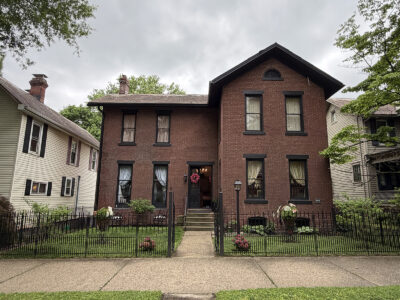
History enthusiasts brave the rain for the Historic Marietta Tour of Homes over the weekend

Veterans honored with brick placements at Armory in Marietta
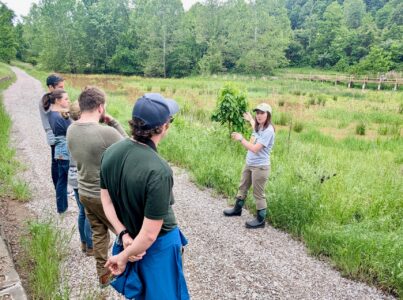
New wetland trail dedicated at Ohio River Islands National Wildlife Refuge
Flood watch issued for region
A flood watch issued Sunday afternoon for the region by the National Weather Service in Charleston will remain in ...

Trump says a deal with Iran and opening of Strait of Hormuz are ‘largely negotiated’
No print edition on Memorial Day
The Parkersburg News and Sentinel will not publish a print edition on Monday, Memorial Day, nor any of the other ...