
Manchin looking for a slam dunk with college athletics bill

FILE - Wisconsin's Traevon Jackson dribbles past the NCAA logo during practice at the NCAA men's college basketball tournament March 26, 2014, in Anaheim, Calif. (AP Photo)
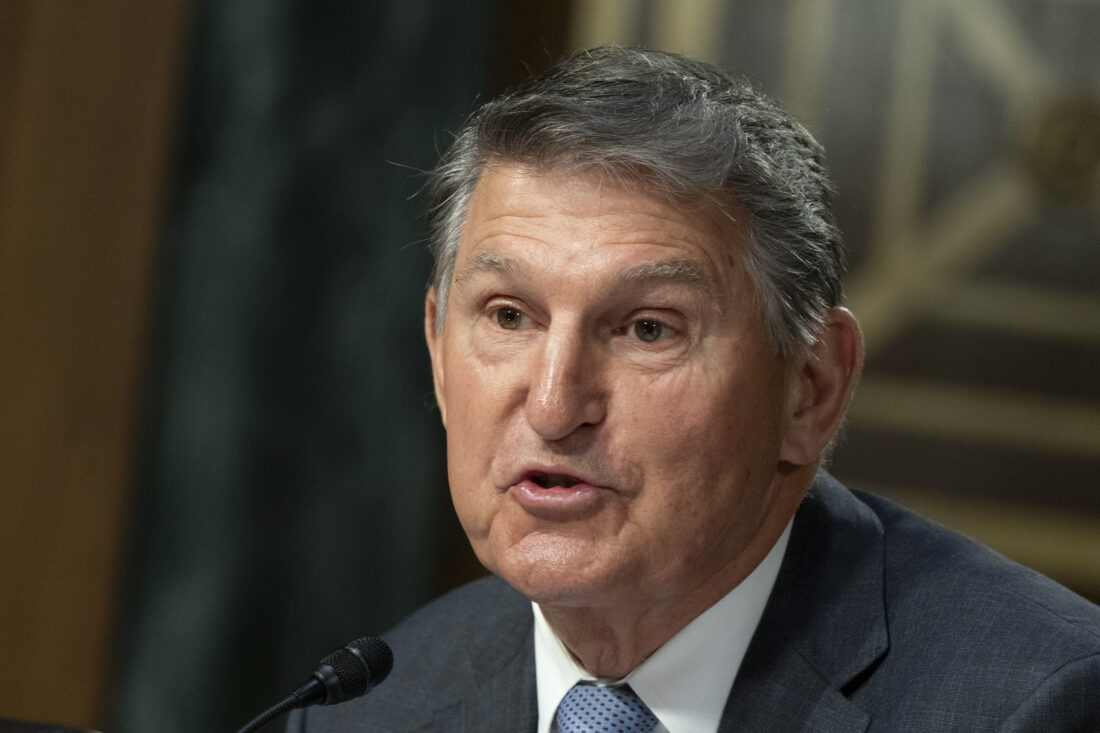
Sen. Joe Manchin, D-W.Va., speaks during a Senate Appropriations Committee hearing on Capitol Hill in Washington. (AP Photo)
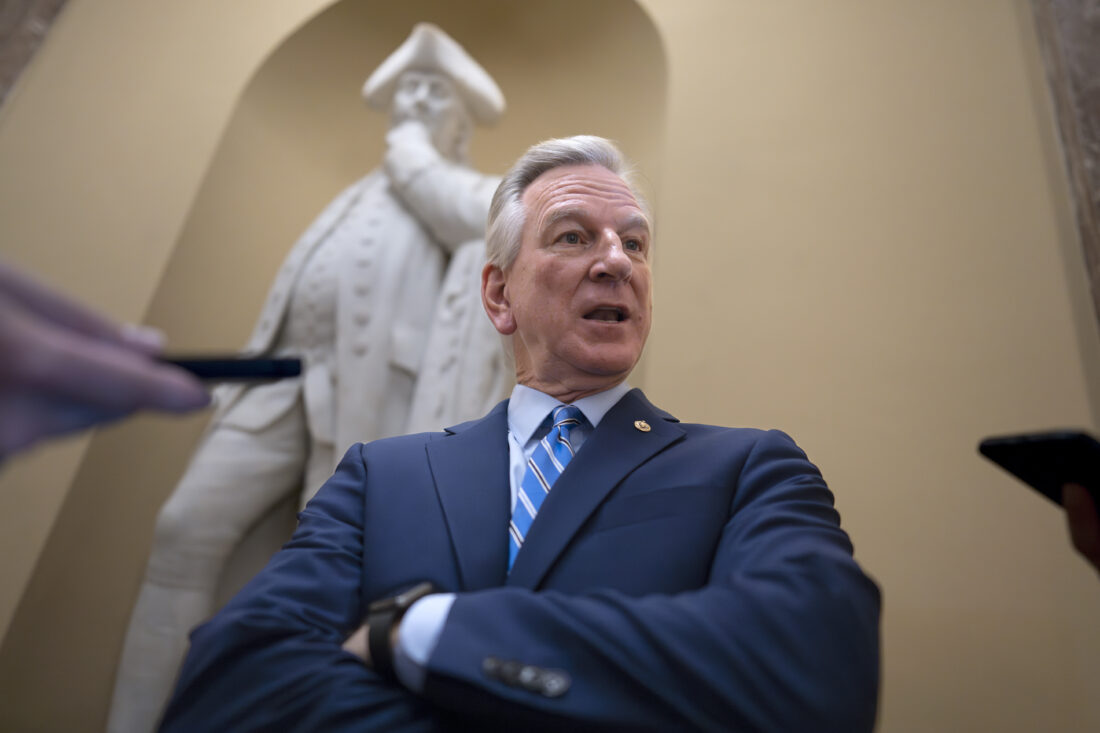
Sen. Tommy Tuberville, R-Ala., talks to reporters at the Capitol in Washington, May 16, 2023. (AP Photo)
FILE - Wisconsin's Traevon Jackson dribbles past the NCAA logo during practice at the NCAA men's college basketball tournament March 26, 2014, in Anaheim, Calif. (AP Photo)
Sen. Joe Manchin, D-W.Va., speaks during a Senate Appropriations Committee hearing on Capitol Hill in Washington. (AP Photo)
Sen. Tommy Tuberville, R-Ala., talks to reporters at the Capitol in Washington, May 16, 2023. (AP Photo)
Trending
WASHINGTON -- A U.S. Senator from West Virginia is looking to put up some guardrails with how college athletes are compensated to play sports.
U.S. Sen. Joe Manchin, D-W.Va., met with reporters from around the state via Zoom on Wednesday to discuss the bi-partisan Protecting Athletes, Schools, and Sports Act of 2023 ("PASS Act") which he introduced with Sen. Tommy Tuberville, R-Ala., a former college football coach.
The legislation will protect student athletes, maintain fair competition/compensation, strengthen transparency and preserve the traditions of college sports, Manchin said.
In 2021, the U.S. Supreme Court decided National Collegiate Athletics Association v. Alston (Alston), setting in motion the ability of student athletes across the U.S. to be compensated for the use of their name, image, and likeness (NIL) as well as other related benefits they receive for playing.
"The lack of clear rules created 'a race to the bottom' with some athletes receiving millions of dollars as an inducement to play while others have been exploited and lost scholarships," Manchin said. "This legislation will finally provide clarity and create a national uniform standard.
"This bill marks the culmination of over a year we have been talking about this."
Lawmakers engaged with all of the stakeholders to get a better understanding of what the challenges were and create a common-sense bi-partisan approach where lawmakers felt they were saving college sports as they have been known. Those talks included athletic directors, administrators, associations, conferences, students, student athlete groups and others.
They arrived on four principles that guide the PASS Act of 2023. Those are; maintaining a competitive balance between schools and states; having total transparency on who is doing what, when, and where; protecting players' health and safety; and maintaining equality so that all student athletes in all sports benefit from these activities, according to a summary provided by Manchin's office.
The legislation also will put certain limits on boosters and collective organizations.
"Some of these have openly paid millions of dollars to lure athletes to their schools," Manchin said. "Others have broken promises to these athletes because they don't have the money to fulfill their outlandish promises.
"They made promises with no backing at all."
As a result, students ended up leaving certain programs when promises were not met. Also, some arrive and a coach might think they are better suited for another position and the student ends up leaving.
"These are young men and women coming into collegiate sports, but there has to be nurturing and building of their talents," Manchin said. "Many transfers have low graduation rates."
The legislation will protect student athletes by requiring collectives and boosters to be affiliated with a college or school, establishing a national standard for NIL; and preserving Title IX sports by ensuring that nothing in the PASS Act affects the rights of any students athletes or affects any programs funded through Title IX, the summary said.
The legislation will be protecting higher education institutions by ensuring that schools, conferences, and associations are not liable for their work complying with the PASS Act; prohibiting NIL agreements that involve alcohol, drugs, or conflict with existing school and conference licenses; requiring student athletes to ask permission to make use of existing intellectual property; and preserving the future of college sports by prohibiting inducements, the summary said.
The legislation will require agents and collectives that participate in NIL to register with a regulating body; all NIL contracts must be disclosed within 30 days; and will establish a public-facing website to publish anonymized NIL data.
The legislation also moderates the transfer portal where student-athletes must complete their first three years of academic eligibility before allowing them to transfer without penalty. Exceptions are included in the bill for a death in the family, a coach that is fired or leaves and other criteria.
The priority is to protect the student athletes, Manchin said.
The legislation also includes guaranteed health insurance for sports-related injuries for uninsured student athletes for eight years following graduation from a four-year institution.
Schools must also honor the original scholarship commitment made to a student athlete.
Manchin said in the coming weeks they are going to have some high-level meetings. He is urging his colleagues on both sides of the aisle to look at this legislation as a way to preserve the integrity of the college sports they love.
"All of us have our favorite teams and we all talk about sports," Manchin said of regular conversations lawmakers have with one another in between conducting the nation's business. "That is the only thing that keeps us in a bi-partisan jovial mood is talking about our teams and how they are doing or not doing or how much better they could be."
The legislation strikes a balance in protecting athletes and helping them meet their potential in school and in life.
"I know how important sports are to gaining invaluable life skills through these types of opportunities," Manchin said. "It opens doors of opportunity that you don't see when you are 17-18-19 years of age that you come to appreciate in your 30s, 40s and beyond."
Brett Dunlap can be reached at bdunlap@newsandsentinel.com