Parkersburg City Council passes rehab facility moratorium
Mayor proposes group to address issues as ACLU warns of legal action
-
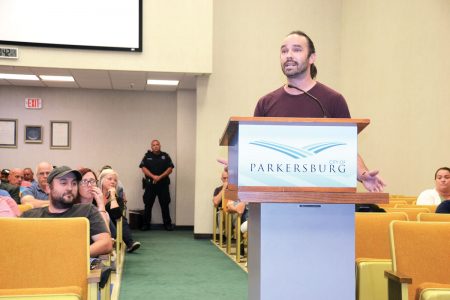
- Parkersburg resident Brian McClure speaks against a proposed moratorium on the establishment of new residential drug rehabilitation facilities during Tuesday’s Parkersburg City Council meeting. The ordinance passed 8-1 on final reading. (Photo by Evan Bevins)
-
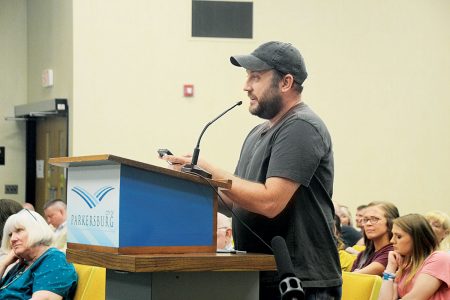
- Parkersburg resident Matthew Dodrill speaks in favor of a proposed moratorium on residential drug rehabilitation facilities during Tuesday’s Parkersburg City Council meeting. He said a petition supporting the ordinance has received 376 signatures so far. (Photo by Evan Bevins)
-
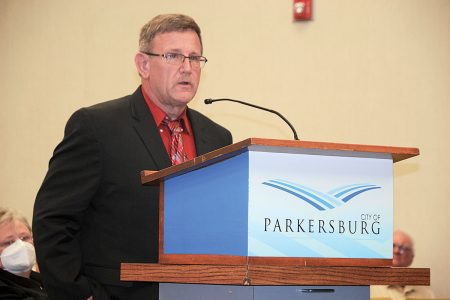
- Greg Whittington, director of criminal justice reform for the ACLU of West Virginia, speaks during the public forum at Tuesday’s Parkersburg City Council meeting. (Photo by Evan Bevins)
-
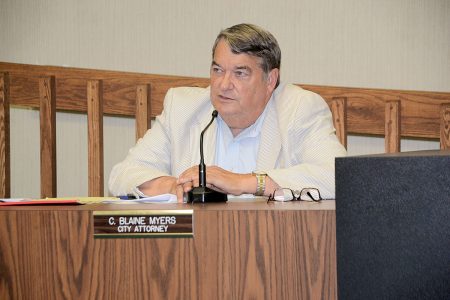
- Parkersburg City Attorney Blaine Myers answers a question about the proposed moratorium on residential drug rehabilitation facilities during Tuesday’s Parkersburg City Council meeting. Approved by an 8-1 vote, the moratorium will go into effect after Mayor Tom Joyce signs it today. (Photo by Evan Bevins)
-
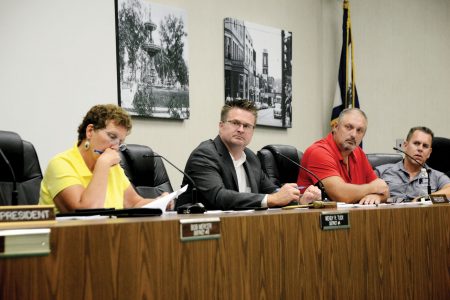
- Parkersburg City Council members, from left, Wendy Tuck, Zach Stanley, J.R. Carpenter and Mike Reynolds listen as Mayor Tom Joyce describes a working group to address issues regarding drug abuse and recovery facilities during Tuesday’s council meeting. (Photo by Evan Bevins)
-
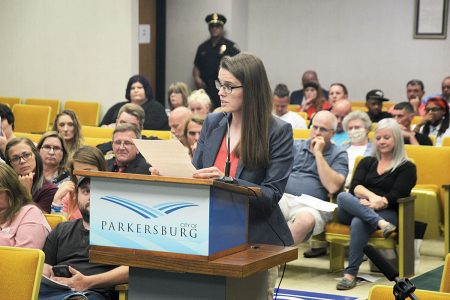
- Renee Steffen, executive director of the Sisters Health Foundation, speaks against a proposed moratorium on residential drug rehabilitation facilities during a Parkersburg City Council meeting Tuesday. (Photo by Evan Bevins)
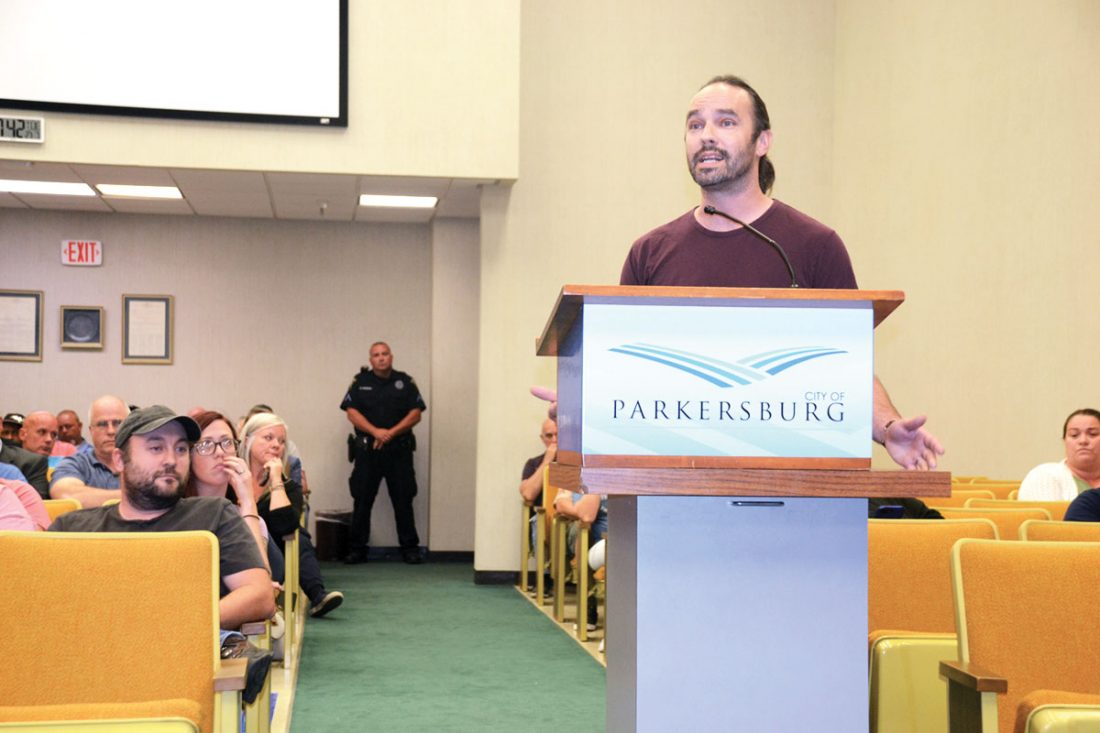
Parkersburg resident Brian McClure speaks against a proposed moratorium on the establishment of new residential drug rehabilitation facilities during Tuesday’s Parkersburg City Council meeting. The ordinance passed 8-1 on final reading. (Photo by Evan Bevins)
PARKERSBURG — One thing people on both sides of a moratorium on the establishment of new residential recovery facilities in Parkersburg seemed to agree on Tuesday — passage of the ordinance isn’t the end of the conversation.
Parkersburg City Council voted 8-1, with Councilwoman Wendy Tuck opposed, to approve the ordinance on final reading. It will remain in effect through June 30, 2022.
Multiple people spoke for and against the proposal in the public forum, including ACLU of West Virginia Director of Criminal Justice Reform Greg Whittington, who warned the measure won’t stand up to legal scrutiny.
“The ACLU and other people are going to litigate this, and it’s going to cost them some money,” Whittington said after the meeting.
The civil liberties organization sent city officials a letter prior to the first reading on July 13, saying the ordinance violates provisions of federal law and the equal protection clause of the 14th Amendment to the U.S. Constitution. Parkersburg Mayor Tom Joyce said Tuesday the ACLU was “riding for their brand.”
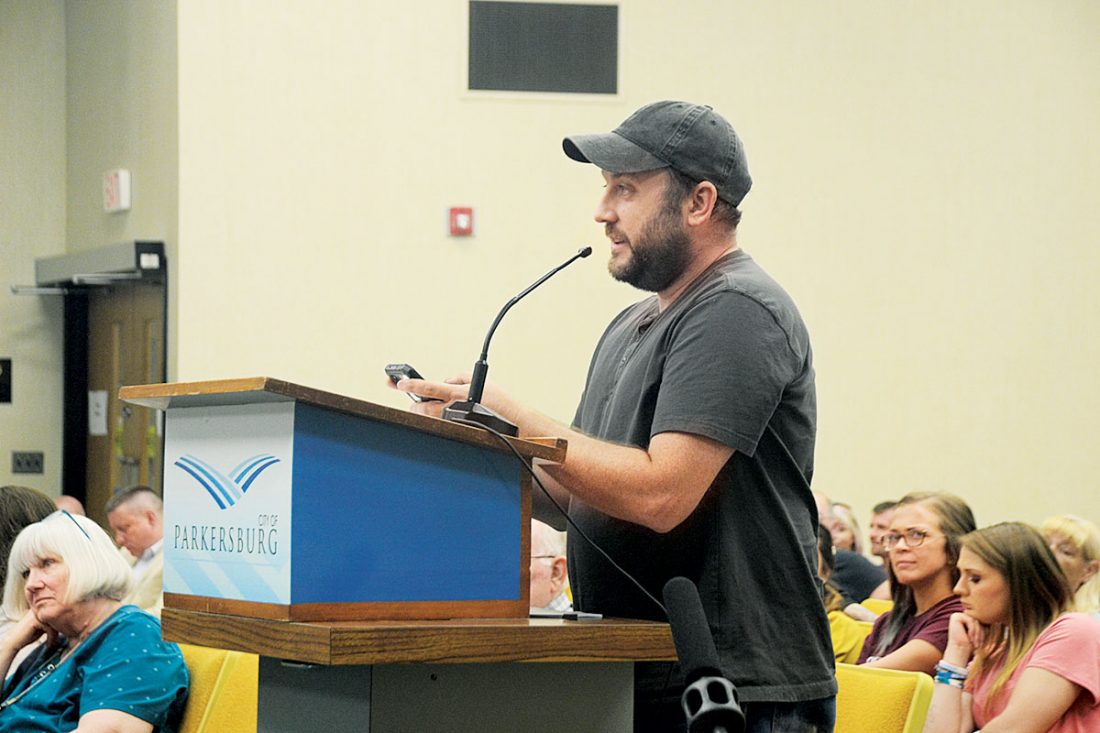
Parkersburg resident Matthew Dodrill speaks in favor of a proposed moratorium on residential drug rehabilitation facilities during Tuesday’s Parkersburg City Council meeting. He said a petition supporting the ordinance has received 376 signatures so far. (Photo by Evan Bevins)
“I think what city council did was stick up for the folks in the community that have legitimate concerns,” he said.
Those concerns include the establishment of group recovery houses in residential areas without notification of neighbors and the potential impact on property values. City officials have also linked the dramatic increase in licensed residential treatment facility beds in the county — from 30 in 2017 to 283 this year — with a rise in homelessness and related crimes.
Whittington said he was encouraged to hear Joyce wants to put together a working group to look at ways to address drug issues, recovery needs and citizen concerns.
The mayor asked council President Zach Stanley to appoint two council members to the group, which he said would also include city officials, the local Substance Use Disorder Collaborative, West Virginia Jobs and Hope, local treatment providers and recovery residences and others.
“I think there are a lot of folks that can help us with what a lot (of people) in the community are concerned with,” Joyce said.
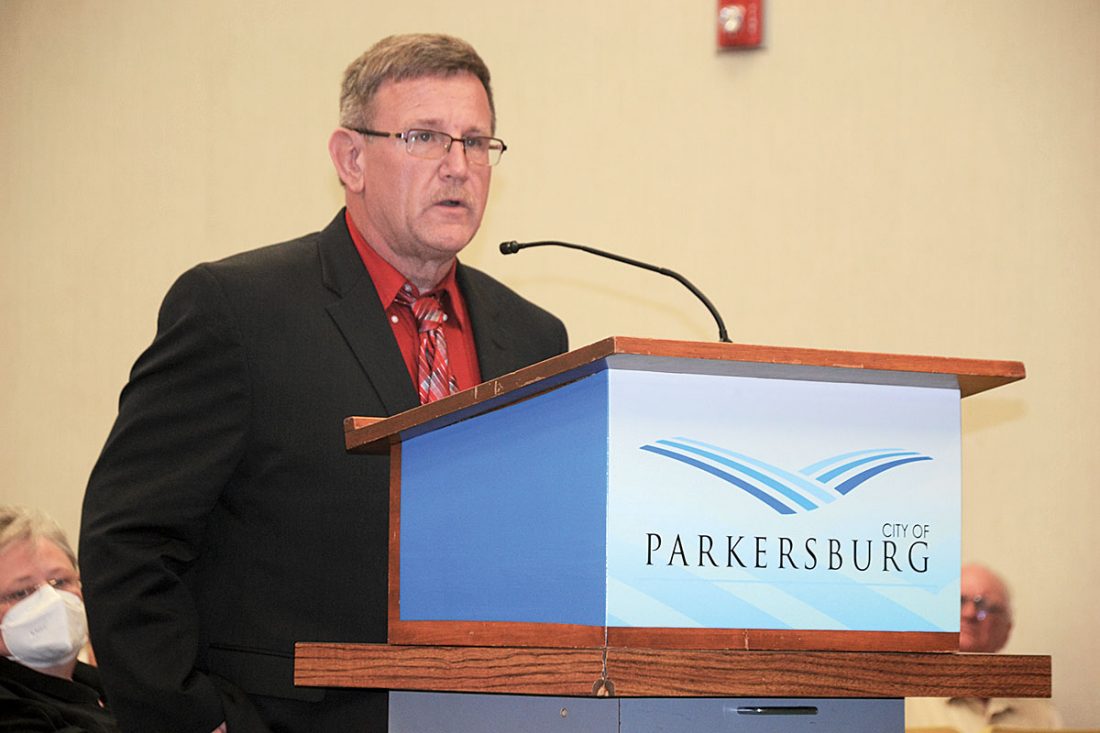
Greg Whittington, director of criminal justice reform for the ACLU of West Virginia, speaks during the public forum at Tuesday’s Parkersburg City Council meeting. (Photo by Evan Bevins)
Joyce said he’d had informative meetings with the West Virginia Alliance of Recovery Residences, which certifies sober-living facilities that receive state funding or have clients referred by agencies that receive such funding.
Rich Walters, a local advocate for people in recovery, spoke against the ordinance July 13, saying there’s a smaller number of sober-living beds than treatment facilities. After the vote Tuesday, he said he understood the concerns of those who support the moratorium and hopes people can come together to find solutions.
“To ever get to any type of a good circumstance, there has to be some hard conversations,” he said.
Parkersburg resident Matthew Dodrill said he’d helped with a petition supporting the moratorium that had 376 signatures so far.
“People are frustrated; people are concerned; people are scared,” he said.
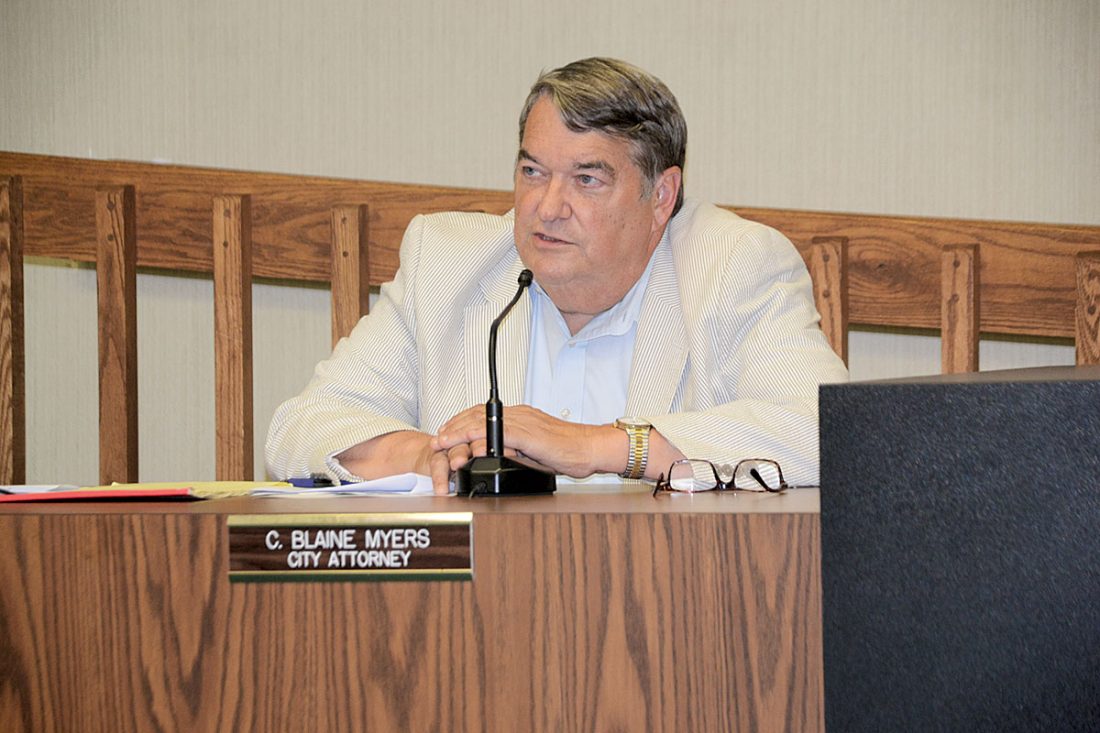
Parkersburg City Attorney Blaine Myers answers a question about the proposed moratorium on residential drug rehabilitation facilities during Tuesday’s Parkersburg City Council meeting. Approved by an 8-1 vote, the moratorium will go into effect after Mayor Tom Joyce signs it today. (Photo by Evan Bevins)
Before the vote, Tuck asked how the ordinance would be enforced. City Attorney Blaine Myers said if the city learned of anyone trying to establish such a facility, they would approach them informally at first.
“I suppose litigation would be a last resort to enforce the moratorium,” he said.
Myers said part of the goal of the moratorium is to allow the city, and the state Legislature, time to craft additional laws to balance the need for recovery facilities with the interests of those in the community.
In other business, council unanimously approved allocating $7 million in American Rescue Plan money to the Parkersburg Utility Board. PUB Manager Eric Bennett said the funding would be used toward a projected $14.7 million water system improvement project, which would help mitigate the rate increase needed to pay for it.
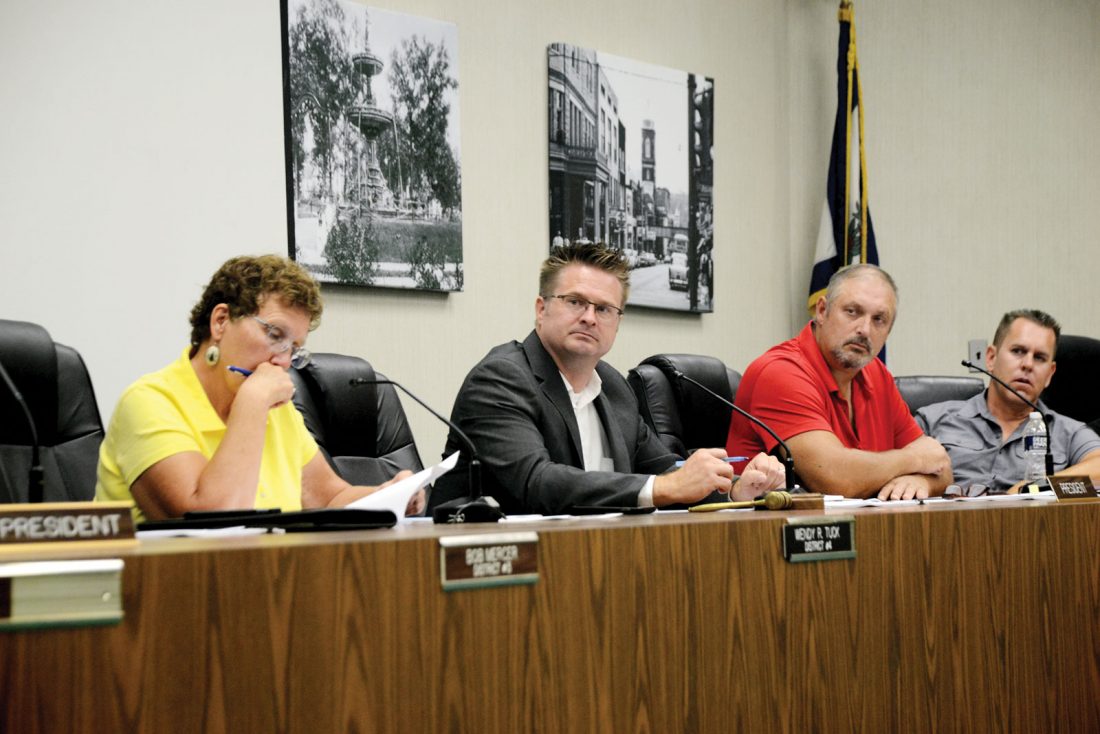
Parkersburg City Council members, from left, Wendy Tuck, Zach Stanley, J.R. Carpenter and Mike Reynolds listen as Mayor Tom Joyce describes a working group to address issues regarding drug abuse and recovery facilities during Tuesday’s council meeting. (Photo by Evan Bevins)
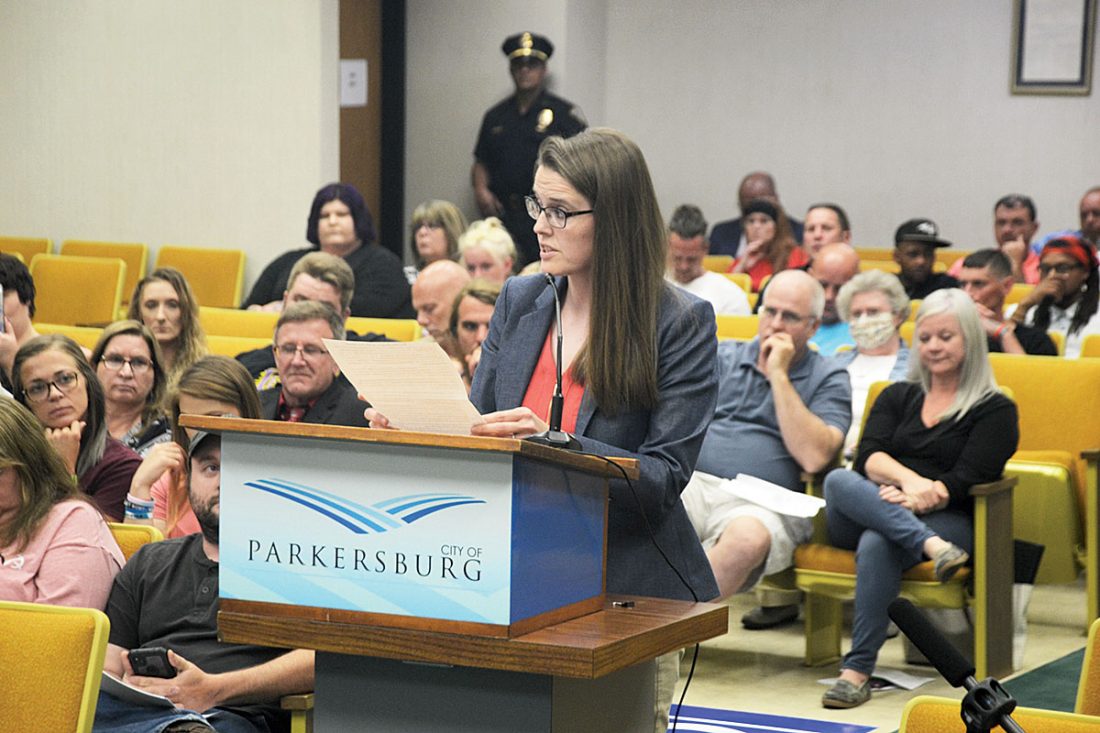
Renee Steffen, executive director of the Sisters Health Foundation, speaks against a proposed moratorium on residential drug rehabilitation facilities during a Parkersburg City Council meeting Tuesday. (Photo by Evan Bevins)
Local News
Washington County Commissioners approve public library tax levy for November election
Elks to celebrate Flag Day, picnic
VIENNA - The annual Parkersburg Elks Lodge 198 membership picnic and flag observance will be held from noon to 4 ...
Farmers Castle Museum to hold open house for Juneteenth
BELPRE – Farmers Castle Museum, operated by the Belpre Historical Society, will have an open house from 1-4 p.m. ...

Heavy rains hit area Thursday with minimal damage
Capito: Senate should have final say over final Iran agreement