
Historians recall Marietta native’s 19th-century activism
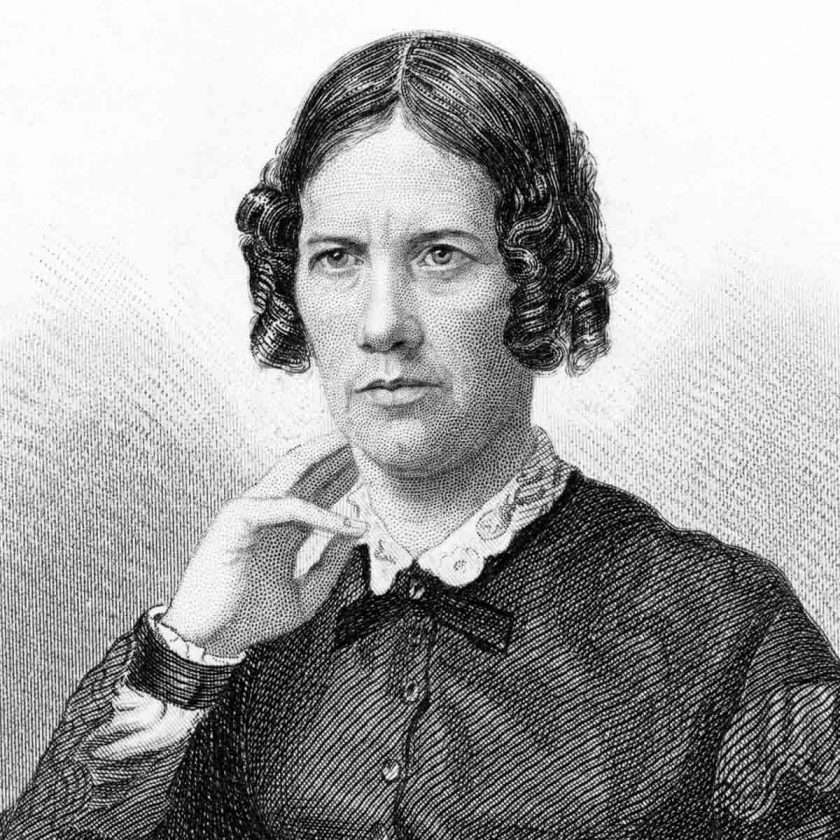
A rendering of Frances Barker Gage. (Image Provided)
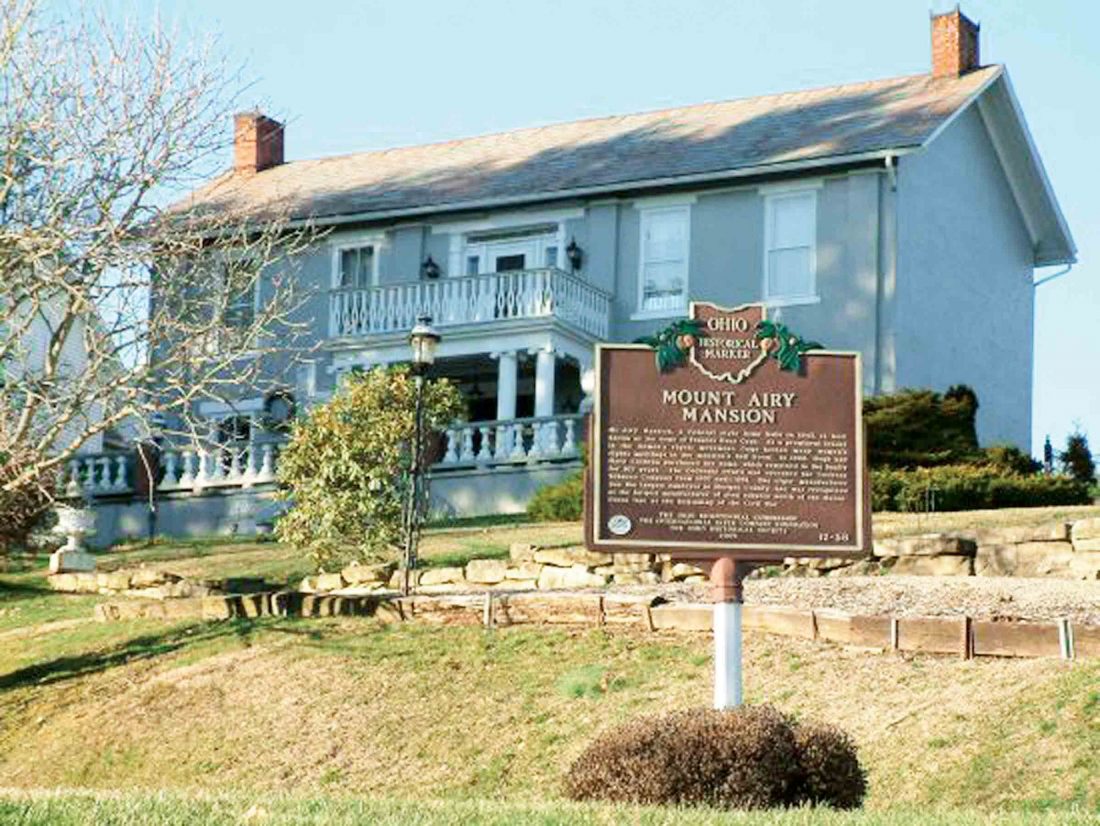
Mount Airy Mansion, built in 1843 in McConnelsville was the home of Frances Dana Barker Gage. (Photo Provided)
A rendering of Frances Barker Gage. (Image Provided)
Mount Airy Mansion, built in 1843 in McConnelsville was the home of Frances Dana Barker Gage. (Photo Provided)
Trending
MARIETTA -- In history class, students are taught the names Susan B. Anthony, Elizabeth Cady Stanton, Sojourner Truth and Clara Barton. One person who isn't in the history books, but worked alongside these women, was Frances Dana Barker Gage.
Gage was born in 1808 in Marietta, the daughter of Elizabeth Dana and Col. Joseph Barker, who owned a home in Devola now known as the Barker House.
"At a very young age she had a turning point when she realized she had some privileges," said local historian Jann Adams. "Her father was a Revolutionary War officer and was an active member of the community. He became an Ohio state legislator and judge."
When she was 10 years old, she went with her mother to Virginia to help her grandmother and learned about anti-slavery. She also learned that being a girl meant she was a second-class citizen.
"She was helping her father around the farm and as she was leaving, her father said 'what a pity she was not a boy'," Adams said.
When Gage was 21, she married James Gage, an abolitionist and lawyer, and lived in McConnelsville with eight children.
Adams said Gage lived in the domestic sphere of the time period, butt still recognized the wrongs she wanted to help right.
"She read about the 1848 Seneca Falls (women's rights) convention," Adams said. "She turned around in McConnelsville and in 1850, held a women's rights meeting."
Approximately 70 women attended the meeting, although there were objections by local residents that it wasn't proper.
"She was stepping out of the domestic sphere and speaking about public matters," Adams said. "She was breaking that mold."
Gage was president of another state convention, which was held in May 1851 in Akron.
Opening the convention with a speech, she said, "the rights of mankind emanate from their natural wants and emotions. Are not the natural wants and emotions of humanity common too, and shared equally by both sexes?"
She asked if man hungered or thirst, suffered cold or heat more than woman.
"Does he love and hate, hope and fear, joy and sorrow more than woman? Does his heart thrill with a deeper pleasure in doing good? Can his soul writhe in more bitter agony under the consciousness of evil or wrong? Is the sunshine more glorious, the air more quiet, the sounds of harmony more soothing, the perfume of flowers more exquisite, or forms of beauty more soul-satisfying to his senses than to hers. To all these interrogatories every one will answer, No!"
She questioned where did man get the authority he now claims over one-half of humanity.
"Oh, if all women could be impressed with the importance of their own, and with one united voice speak out in their own behalf, in behalf of humanity, they could create a revolution without armies, without bloodshed, that would do more to ameliorate the condition of mankind, to purify, elevate and enoble humanity, than all that has been done by reformers in the last century," Gage said.
Present at this convention were Frederick Douglass and former slave Sojourner Truth, who gave a speech called "Ain't I a Woman?"
"She was in league with the big names of the day," Adams said. "She promoted universal suffrage, not just for women."
Through her work during the Civil War, she became good friends with Clara Barton, a nurse who eventually founded the American Red Cross.
She held many roles throughout her life, whether as a writer, a mother or a tireless worker for human rights.
"She followed through with her beliefs," Adams said. "She kept going until she physically couldn't keep going."
She continued to be active in reform movements, although she was injured in a carriage accident in 1867 and was left disabled. She died in Greenwich, Conn., in 1884, almost 40 years before women finally got the right to vote.
"Frances was much more than just the 19th amendment," said historian Jenny Powers. "She was definitely a driving force in the movement."
Michele Newbanks can be reached at mnewbanks@mariettatimes.com.