Mid-Ohio Valley Master Naturalists to explore outdoors
-
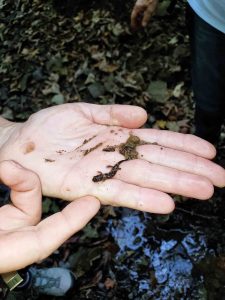
- A salamander search at North Bend State Park. (Photo Provided)
-
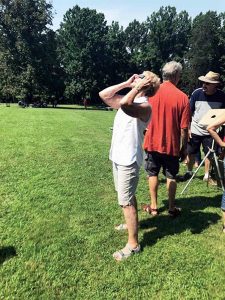
- A solar eclipse viewing at North Bend State Park. (Photo Provided)
-
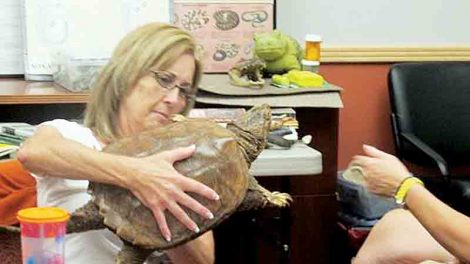
- A reptiles and amphibians class held in the Mid-Ohio Valley. (Photo Provided)
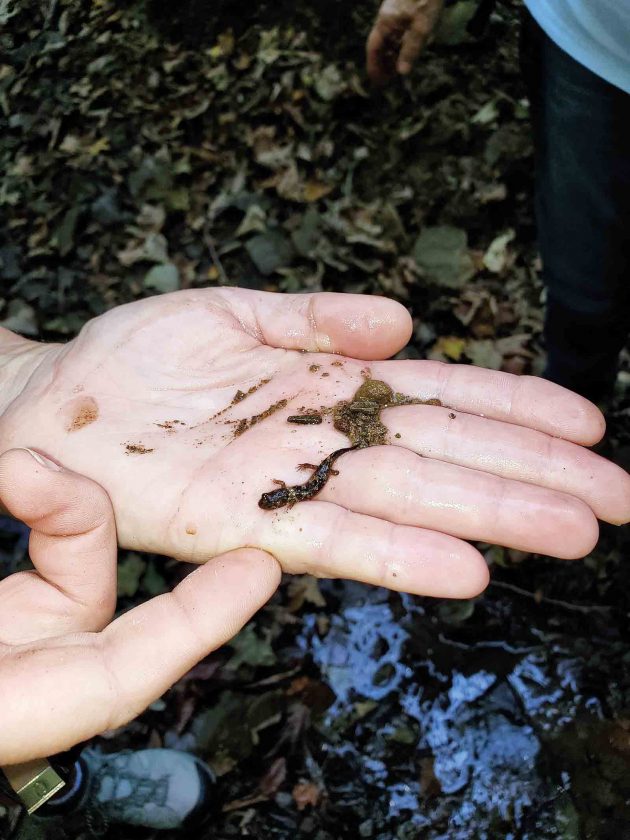
A salamander search at North Bend State Park. (Photo Provided)
PARKERSBURG — Mid-Ohio Valley Master Naturalists begins its eighth season March 7.
If you enjoy learning about nature and exploring the plants, animals and beautiful landscapes in West Virginia, then this program is for you, said Emily Grafton, program coordinator.
Topics covered include mammals, geology, birds, nature sketching, trees, insects, mushrooms, fish and more. “We learn by taking field trips and classroom workshops,” Grafton said.
The program is available to anyone 16 and older. All ages and all levels of physical ability are welcome.
Resource people from the Division of Natural Resources, Fish & Wildlife Service and local experts teach the 64 hours of workshops. The workshop on fish is taught by Jason White, a local scientist-naturalist with years of experience interning and volunteering for the Ohio River Islands National Wildlife Refuge.
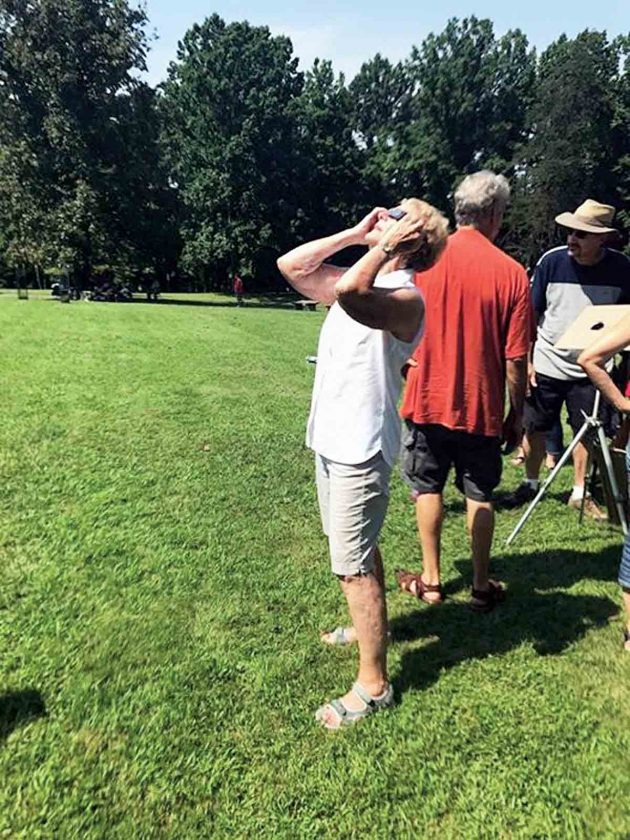
A solar eclipse viewing at North Bend State Park. (Photo Provided)
Sue Olcott, wildlife biologist from DNR, has taught the workshop on mammals for several years with a collection of study skins, skulls, teeth and bones.
DNR instructor Jim Fregonara teaches the class on reptiles and amphibians with hands-on materials and live critters. Michael Schramm with the local wildlife refuge teaches the unit on birds.
A favorite event is the day at the farm of Jay and Cindy Burkhart, Grafton said.
“We spend the morning learning facts about 80 species of wildflowers with Cindy and then spend the afternoon exploring their ponds and creeks for aquatic life. We attempt to integrate the ecological interactions of the environment as we learn about individual plants and animals. The butterflies, bees, beetles and flies, or any critter we see, has a connection with what is nearby,” Grafton said.
The program’s mission is to provide enough in-depth exposure to the natural history of the Appalachian Mountains that students have a basic knowledge of the ecology and wildlife of the region, she said.
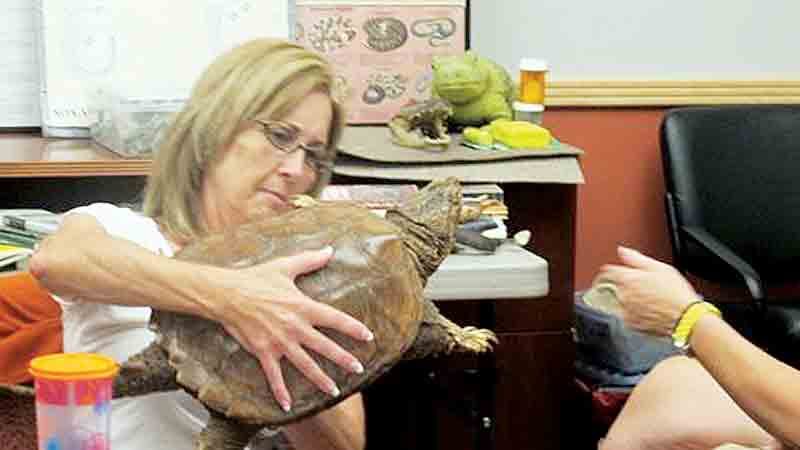
A reptiles and amphibians class held in the Mid-Ohio Valley. (Photo Provided)
By the time people have completed the program they will be ready to lead nature walks and introductory classes for adults and children and be able to continue learning every year by attending new workshops, and any they wish to revisit, Grafton said.
Students are required to complete 48 core credit hours and 16 hours of elective classes. The cost for the program is $125 and can be paid in five monthly installments or one time. It covers the DNR manual, stipends for speakers and some administrative costs.
Participation in the program may last indefinitely. Many people take two years to complete the program, Grafton said.
In addition to the course work, students must complete 30 hours of volunteer work to earn a certificate from the DNR. There are multiple opportunities to volunteer.
Activities from monitoring bluebird boxes to planting and maintaining pollinator gardens and volunteering with environmental education programs are just a few of the volunteer work opportunities. The group meets at the Ohio River Islands National Wildlife Refuge, North Bend State Park and natural preserves locally and around West Virginia.
The program begins March 7 at the Ohio River Islands National Wildlife Refuge Visitors Center, near Williamstown, from 9 a.m. until noon. The first workshop, Wildlife Habitat Improvement, is open to the general public.
The group will cover basic wildlife ecology and strategies for bringing wildlife into your yard and community, Grafton said.
“The native birds, bees, toads and moths need our help more than ever. With just a few native plants in every yard in our neighborhoods, (this) will create an amazing corridor of habitat for wildlife,” Grafton said.
There will be hands-on materials, information and seeds to take home. Two refuge volunteers have established a pollinator garden and greenhouse next to the Wood County refuge; they will discuss their project and how it can be replicated.
Registration is required. Contact Emily Grafton at Emily.grafton@gmail.com or 304-906-7846 for more information, a copy of the schedule and a brochure.
Classes include:
* March 7: Wildlife Habitat Improvement and Names and Classification — Ohio River Islands National Wildlife Refuge
* March 27 and 28: Invasive Species Removal Project and a Lichen-Moss Workshop — North Bend State Park
* April 25: Wildflowers and Stream Ecology-Aquatic Habitats — Burkhart Farm
* May 15-17: Terrestrial Habitats Along New River-Sandstone Falls-Brooks Falls
* May 23: Birds and Nature Art-Nature Journaling — Ohio River Islands National Wildlife Refuge Visitors Center
* June 6: Photographing Nature and Wetlands — Broughton Park
* July 11: Mushrooms and Nature Printing — Ohio River Islands National Wildlife Refuge Visitors Center
* Aug. 15: Trees, Shrubs and Woody Vines and Nature Interpretation and Moth Night — North Bend State Park
* Sept.12: Insects and Other Invertebrates and Fish — Ohio River Islands National Wildlife Refuge Visitors Center
* Oct.10: Mammals and Geology — North Bend State Park
* Nov.14: Reptiles and Amphibians and Ecology — Ohio River Islands National Wildlife Refuge Visitors Center
Local News
Wood County schools incorporates new student online safety program
Wood County BOE debates dirt removal at construction site

Camden Clark highlights impact of organ donation during National Donate Life Month

Morrisey talks tax relief during stop in Parkersburg

WVU Parkersburg students take the lead on global film festival experience