
The show goes on: The Smoot marks 100 years in Parkersburg
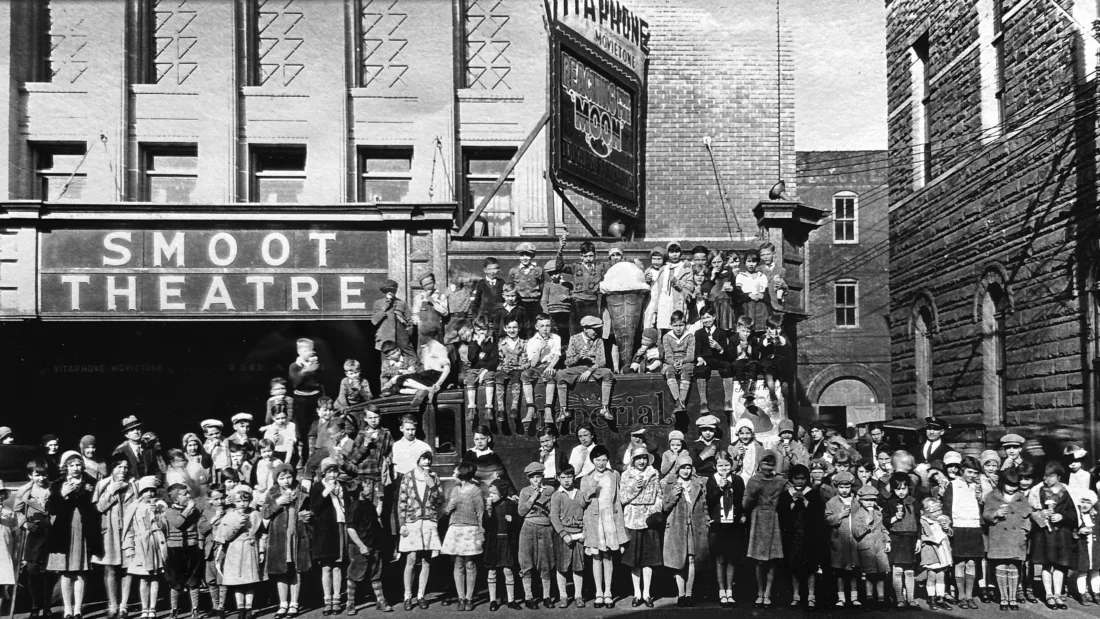
(Photo Provided) Children stand around and on top an ice cream truck in front of the Smoot.
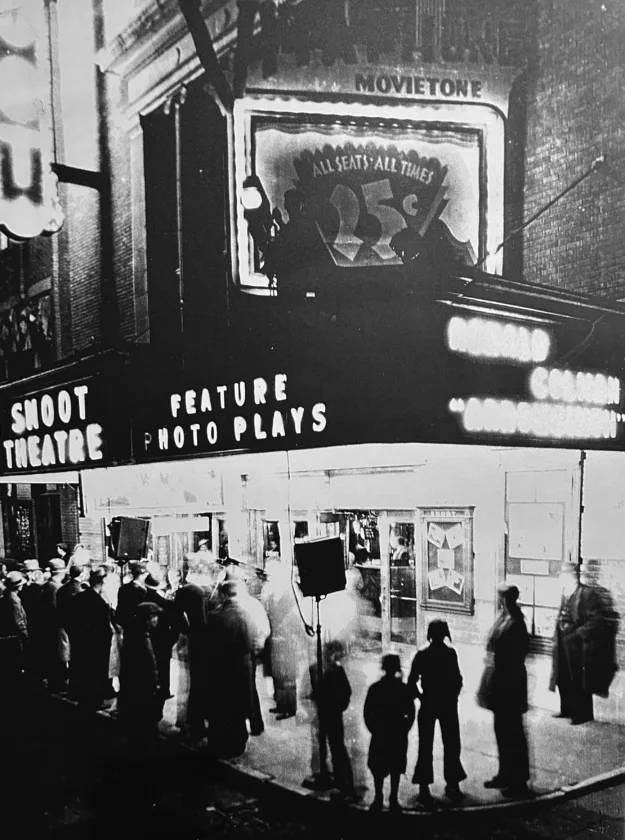
(Photo Provided) People line up for 25-cent movie night.
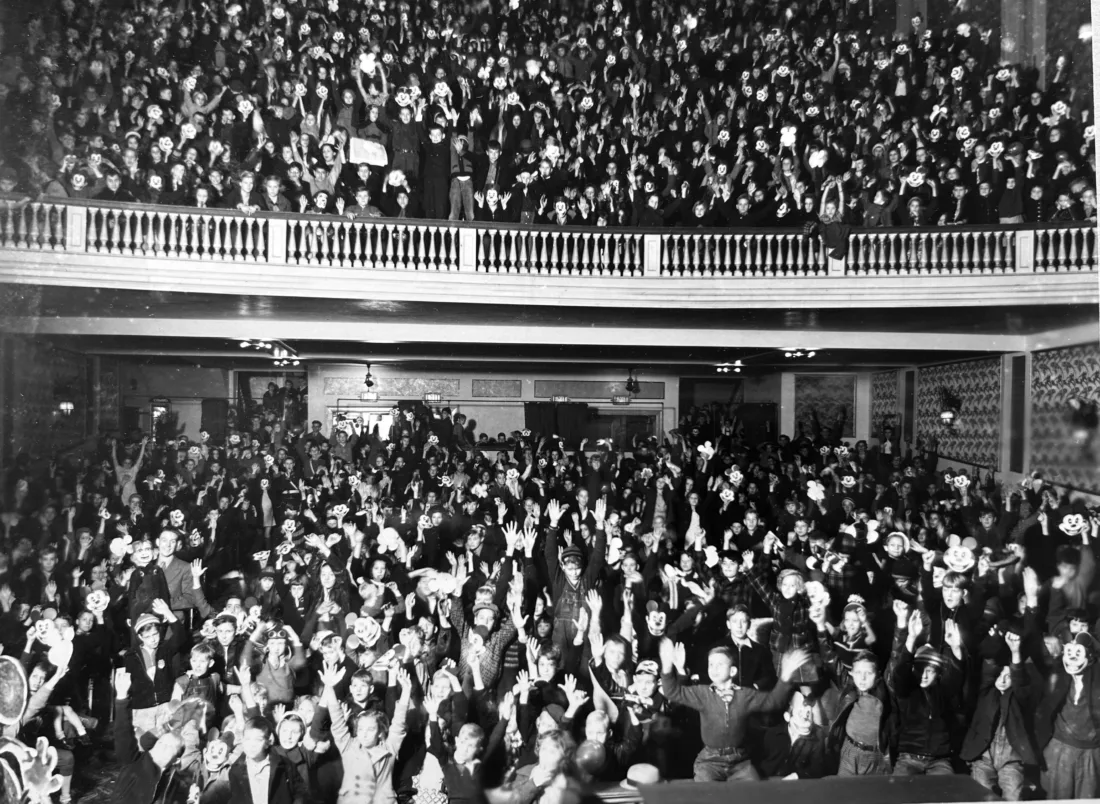
(Photo Provided) A crowd of children fill the Smoot for a movie.
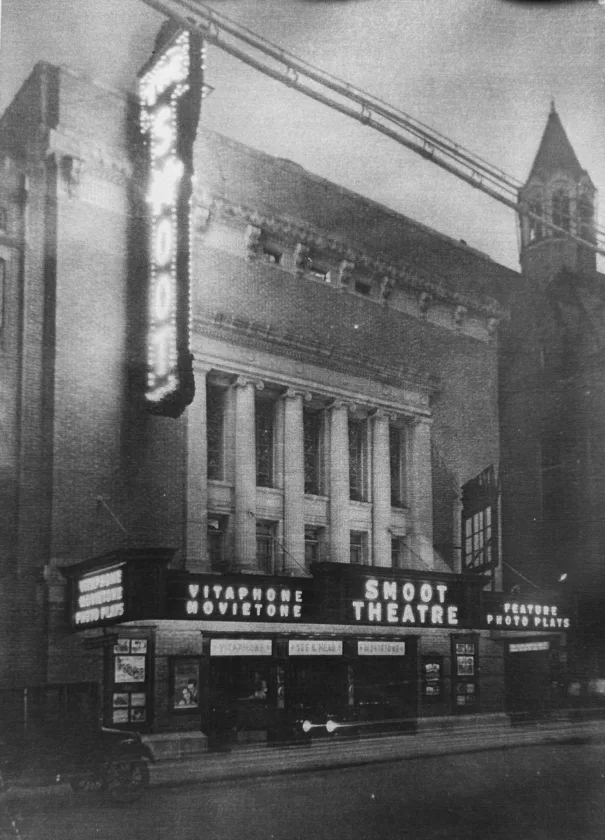
(Photo Provided) The Smoot, ready for a movie in the 1930s.
(Photo Provided) Children stand around and on top an ice cream truck in front of the Smoot.
(Photo Provided) People line up for 25-cent movie night.
(Photo Provided) A crowd of children fill the Smoot for a movie.
(Photo Provided) The Smoot, ready for a movie in the 1930s.
Trending
PARKERSBURG -- For much of its hundred-year history, the Smoot Theatre operated alongside other local theaters to bring first vaudeville and later movies to residents of the community.
The Smoot, on Fifth Street between Juliana and Market streets, opened Oct. 18, 1926. The theater was built for performances on stage and the movies that were gaining traction as the primary source of entertainment at the time.
Prior to the Smoot, the Hippodrome Theater occupied the spot. The Hippodrome was torn down in March 1926. Crews spent the summer constructing the new theater in its place, and it opened with both a movie and a live performance on Oct. 18.
The Smoot was among three theaters operated by the Smoot brothers, Charles and Fayette. The Camden, which was at Market and Eighth streets, was the largest of the three and got the bigger acts. Today, the Parkersburg Art Center occupies that spot across the street from the Actors Guild, which at that time was the Lincoln.
A fourth theater, the Auditorium, was smaller than the others, but had location on its side. It would get bigger acts because it was across from the train station. The Smoot brothers solved the problem by purchasing it and closing it as a theater. It became a hardware store and then the home of Parkersburg Office Supply before iTech started operating there.
By 1930, theaters built for vaudeville were beginning to shutter because radio plays and movies were quickly taking their place. Big movie companies began buying theaters around the country.
Warner Brothers purchased the Smoot in the early 1930s and sent Bill Hendricks to run it at a profit and to prepare for the arrival of talking movies. He stayed for five years before making his way west to Hollywood. In 1947, as a major in the United States Marine Corps Reserve, he helped create the Toys for Tots program that still exists today.
While in Parkersburg, Hendricks oversaw the installation of the Vitaphone system into the Smoot. The system synced the sound and pictures so that people on screen looked and sounded natural when they spoke and sang.
The Smoot eventually was sold by Warner Brothers and became part of the JUR Theater Circuit that also included the Burwell, the Parker, the Mur Drive-in and the Stanley Drive-in in West Virginia and the Belpre, Riverside and Starlight drive-ins in Ohio.
Television took a big audience chunk from theaters at the time, as did new multi-screen theaters that were to come. When the Grand Central Mall opened in 1972, it did so with a two-screen theater.
Finally in 1986, the Smoot closed. For three years it sat dark, purchased by a developer who wanted to return it to its theater days. He sold it in 1989 to a local group that had a vision.
They formed a nonprofit and raised the $80,000 needed to purchase the building.
"What we bought was a lot of problems," said Felice Jorgeson, executive director of the Smoot. "I didn't know that, and the other people didn't know that.
"Jim Wakley of the McDonough Foundation worked on making sure the group had the funds to renovate and run the Smoot," said Jorgeson.
"He was able to pull in things that were needed," she said. "Because of Wakley, and all his fingers in the community, he was able to make it happen and restore the theater.
"The initial plan was to have a series every year that people would buy into and that the revenue from the series would pay the bills," Jorgeson said.
"The theater staged five to six shows a year. It was music I was able to write grants for; I call it good music."
A kids series was added with four shows per year.
The pandemic came along and a lot of traveling groups went away, according to Jorgeson. Today, the theater mostly stages tribute bands. Camp Vaudeville continues to teach youth about the theater as it has for 35 years.
"I think that's our forte what we do with the kids," she said.
Jorgeson, who is 84, hopes to pass the torch to new leadership at some point.
"There needs to be someone to take my place, someone to do it for no pay-- someone with fresh ideas."