House to Home Day Shelter receives emergency AED
-
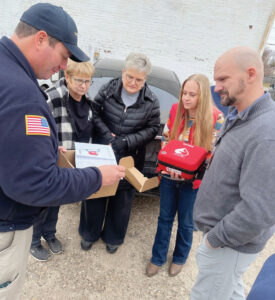
- Shawn Marshall, manager of EMS Services at WVU Medicine Camden Clark Medical Center, shows representatives from the House to Home Day Shelter how to maintain an Automated External Defibrillator (AED) that was presented to the shelter this week from efforts by the Camden Clark Foundation. The others in the picture include Kristy Fox, Kate Fluharty, Crystal Belisky and Steven Belisky (House to Home Director of Operations). (Photo Provided)
-
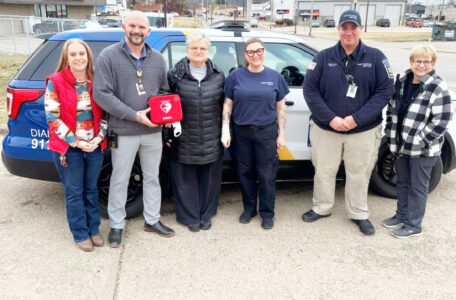
- Representatives of Camden Clark Ambulance Service presented representatives of the House to Home Day Shelter with an Automated External Defibrillator (AED) being provided through the Camden Clark Foundation. Pictured are Crystal Belisky, Steven Belisky (House to Home Director of Operations), Kate Fluharty, Jennifer Parks (Camden Clark Ambulance paramedic), Shawn Marshall (manager of EMS Services at WVU Medicine Camden Clark Medical Center) and Kristy Fox. (Photo Provided)
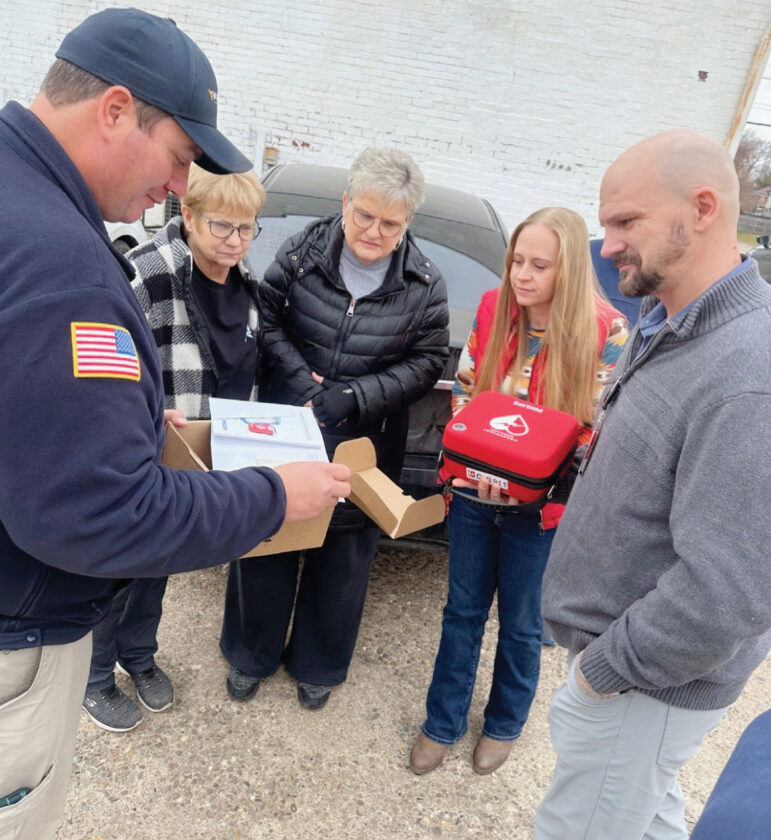
Shawn Marshall, manager of EMS Services at WVU Medicine Camden Clark Medical Center, shows representatives from the House to Home Day Shelter how to maintain an Automated External Defibrillator (AED) that was presented to the shelter this week from efforts by the Camden Clark Foundation. The others in the picture include Kristy Fox, Kate Fluharty, Crystal Belisky and Steven Belisky (House to Home Director of Operations). (Photo Provided)
PARKERSBURG — The House To Home Day Shelter in Parkersburg received an Automated External Defibrillator (AED) this week to have on hand in the event of a medical emergency.
The shelter, located at 825 7th St., received one this week through the efforts of the Camden Clark Foundation.
An AED is a portable, life-saving device that analyzes the heart’s rhythm and delivers an electric shock to restore normal heart function during sudden cardiac arrest.
House to Home Director of Operations Steve Belisky said the shelter has been open more hours lately, resulting from the cold weather and freezing conditions over the past month.
In an effort to be better prepared, the shelter’s volunteers and staff underwent first-aid training in January through the United Way Alliance of the Mid-Ohio Valley and the Wood County Commission for people working at the warming stations.
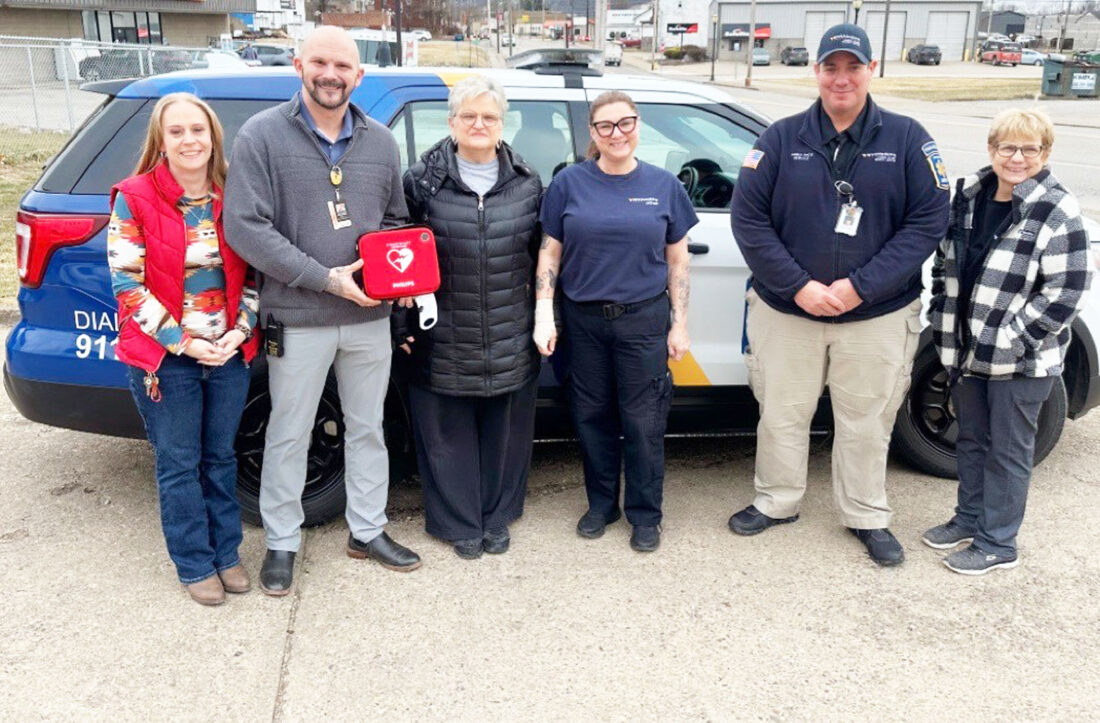
Representatives of Camden Clark Ambulance Service presented representatives of the House to Home Day Shelter with an Automated External Defibrillator (AED) being provided through the Camden Clark Foundation. Pictured are Crystal Belisky, Steven Belisky (House to Home Director of Operations), Kate Fluharty, Jennifer Parks (Camden Clark Ambulance paramedic), Shawn Marshall (manager of EMS Services at WVU Medicine Camden Clark Medical Center) and Kristy Fox. (Photo Provided)
“All my staff took CPR and first aid training,” Belisky said. “I wanted us to be better prepared in case of an emergency.
“That led to an effort to get an AED to have onsite at the shelter. We were proactively seeking one out.”
Some people have had training in the past, but Belisky said he wanted to train everyone who works at the shelter.
“It was a part of an effort by them to help the warming stations to be better prepared for emergencies at times when we are operating as a warming station or a cooling station,” Belisky said. “I wanted us to be better prepared in case of an emergency.”
The ones who are already certified can’t always be at the shelter in case something happens.
So far, the need for an AED has not occurred yet, but Belisky wanted them to be prepared.
“We haven’t had any medical emergencies that serious,” he said. “However, it is better to have it than not.
“We never know what kind of health our clients and community members who come through our door are in and what kinds of health issues they might have. I would rather be prepared for them than not.”
Brett Dunlap an be reahed at bdunlap@newsandsentinel.com
Local News
Memorial Health System hosts free EKG screening for Heart Month

Surgeon general nominee faces sharp questions about vaccines, birth control and qualifications

Beyond the Valley – Industry: Newspaper delivers a reach far outside the Mid-Ohio Valley

Beyond the Valley – Health: Alternative medicines, medical marijuana piping into the MOV

Beyond the Valley – Industry: Mid-Ohio Valley Regional Airport offers chance to expand horizons