
Circulating Fans: Online spaces, conventions bring pop culture enthusiasts together
-
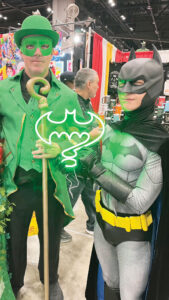
- Two individuals cosplay The Riddler and Batman at a convention. (Photo Provided)
-
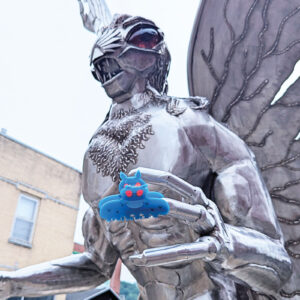
- Emily Lang, a local artist, designed a Mothman claw clip as part of the art she sells at conventions. (Photo Provided)
-
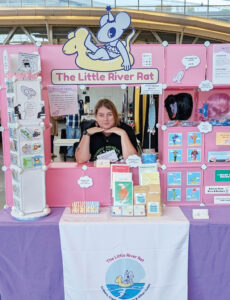
- Emily Lang operates an artist booth at the Toonfusion Pittsburgh convention. (Photo Provided)
-
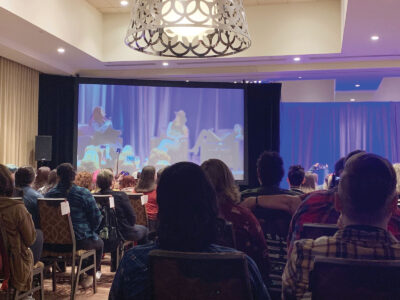
- A crowd filled the Sheraton Centre Toronto Hotel in downtown Toronto for a panel at CarmillaCon in 2019 to celebrate the web series “Carmilla.” (Photo by Gwen Sour)
-
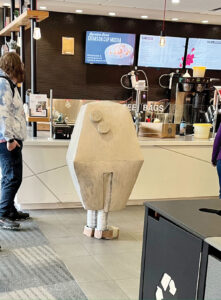
- A person cosplaying a Gonk Droid from “Star Wars” waits in line for a coffee. (Photo Provided)
-
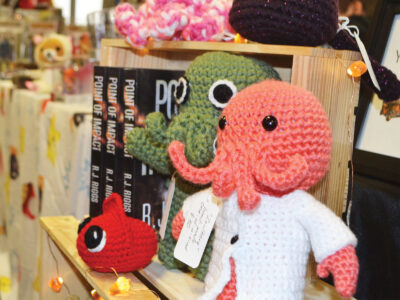
- Classic Plastics Toy Store held its annual Classic Plastics Toy Expo at the Parkersburg Art Center in 2024. The convention featured a cosplay contest, comics, Funko Pops, music vinyls, collectables, action figures and more. (File Photo)
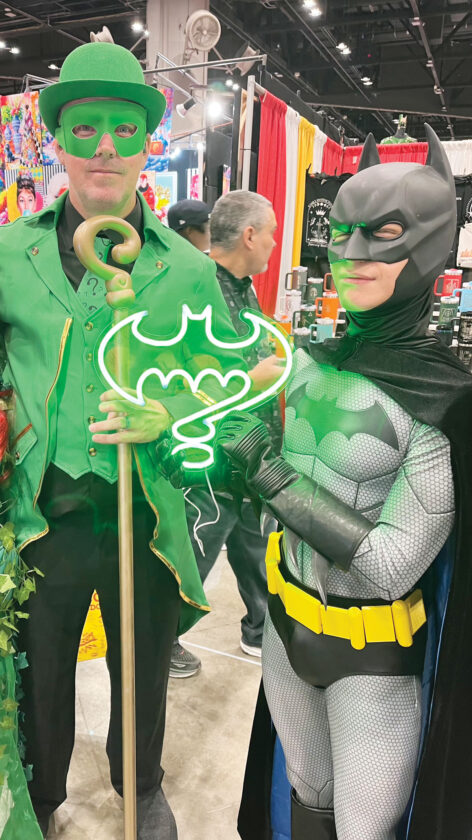
Two individuals cosplay The Riddler and Batman at a convention. (Photo Provided)
MARIETTA – Fandom — communities built around shared enthusiasm for a television show, film, game, book or other cultural touchstone — has long offered audiences a way to engage more deeply with the stories they love, but digital spaces and in-person events have reshaped how those communities form and endure, according to historian and author Lewis Call.
Call, who studies popular culture and has written extensively about Buffy the Vampire Slayer, said early fandoms such as Star Trek laid the groundwork for many modern fan practices, including organized fan activism and the growth of early fanfiction communities.
“That whole scene has evolved over the years, or, I guess, decades at this point,” Call said, noting how fan engagement has changed alongside new communication technologies.
Call said fan communities were once viewed warily by copyright holders, pointing to past efforts by authors and studios to discourage fan-created content.
“It used to be that the copyright holders were really twitchy about it,” Call said.
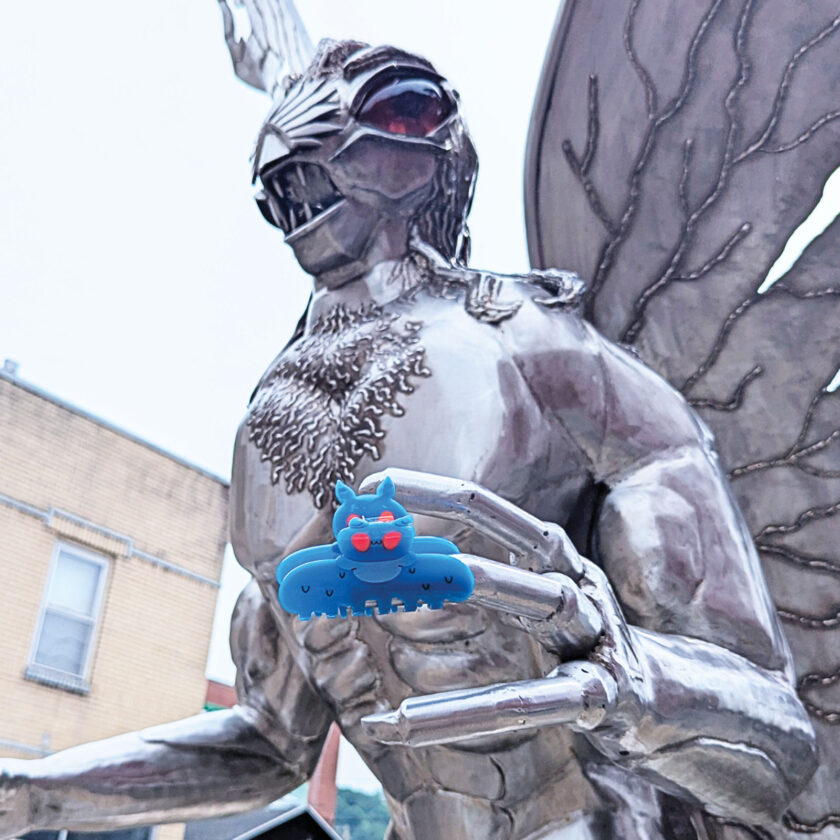
Emily Lang, a local artist, designed a Mothman claw clip as part of the art she sells at conventions. (Photo Provided)
Over time, he said, many companies came to see fandom as beneficial, recognizing that engaged audiences could strengthen a franchise’s reach and longevity.
Online message boards and chat spaces in the 1990s and early 2000s expanded fandom’s lifespan, Call said, allowing discussion and analysis to continue long after a show ended. He pointed to Buffy as an example of a fandom that thrived online, particularly because creators interacted directly with fans.
“With Buffy … that was kind of the first time when it felt like there was more of a conversation between the creators and the viewers,” he said.
Call remains involved with the Slayer Studies Association, which publishes an open-access journal and hosts conferences focused on the series. He said online access and hybrid conferences have helped broaden participation, allowing scholars, independent researchers and fans from around the world to engage.
For Angel Levy, known online as “DAWNLIGHT,” fandom is closely tied to relationships built in digital spaces — relationships he said can be just as meaningful as those formed in person.
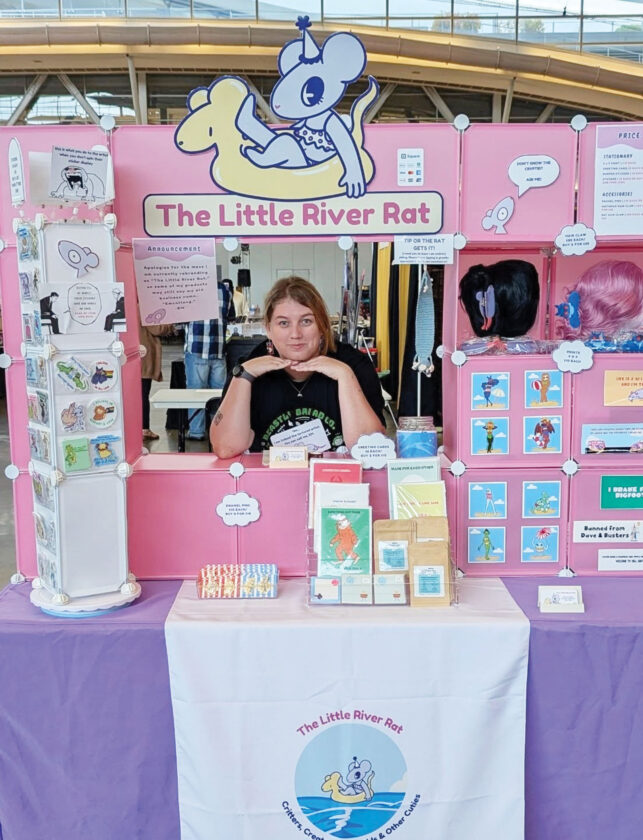
Emily Lang operates an artist booth at the Toonfusion Pittsburgh convention. (Photo Provided)
Levy, who works in higher education advising in New York City during the day when he’s not engaging in fandom spaces, said he began engaging in online fandom communities in late high school and early college, particularly through fanfiction, forums and gaming spaces. Those communities helped him connect with people who shared interests he did not always find locally.
“You realize, ‘Wow, this is not just like a person that I play video games with,'” Levy said. “This is like another human, a friend and someone that I can lean on.”
Levy said he has maintained online friendships for more than a decade, many of which grew through shared gaming spaces and Discord servers. He said the idea that digital friendships are inherently less real than in-person ones does not reflect his experience.
“I think that it really is a matter of perspective,” Levy said, explaining that individual background and lived experience shape how people value different types of relationships.
He said meeting longtime online friends in person can be emotional, particularly after years of shared conversations and support.
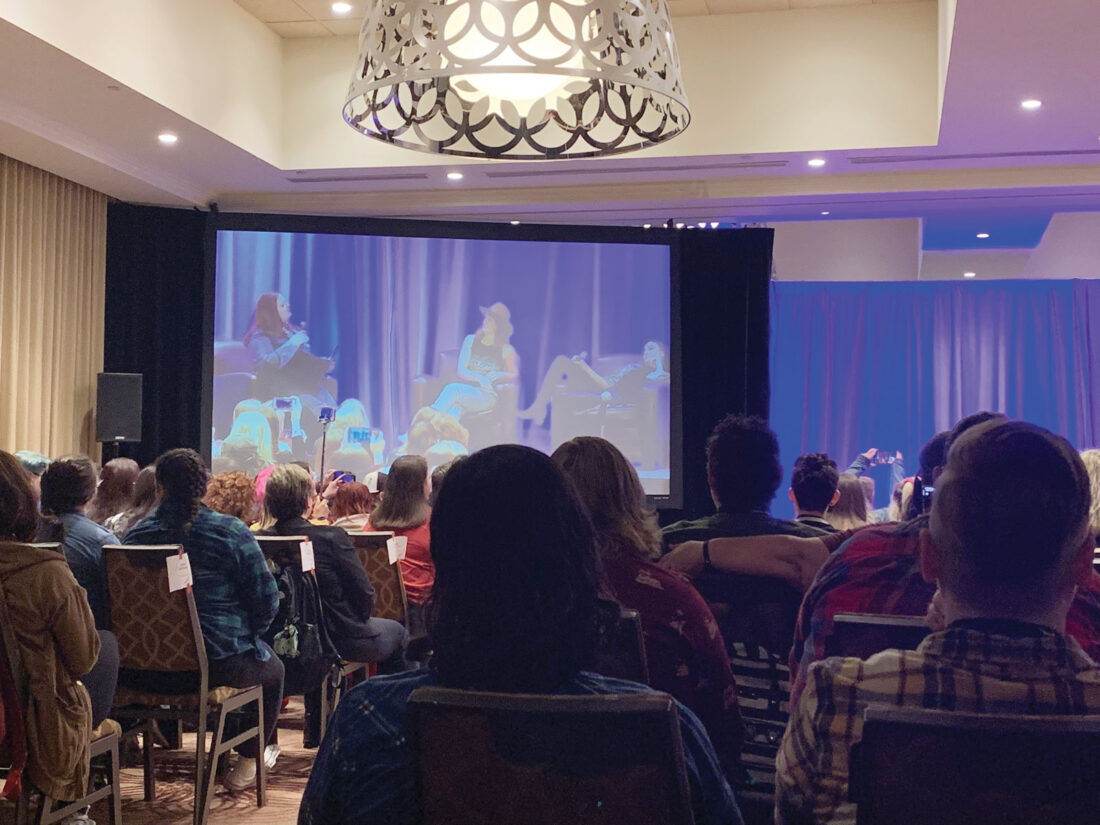
A crowd filled the Sheraton Centre Toronto Hotel in downtown Toronto for a panel at CarmillaCon in 2019 to celebrate the web series “Carmilla.” (Photo by Gwen Sour)
“That physical experience feels like it’s a lot stronger,” Levy said, describing the transition from digital interaction to face-to-face connection.
While fandom often exists online, it also plays out in physical spaces such as conventions, where artists and creators interact directly with fan communities. Emily Lang, a Marietta native and artist, said conventions offer both opportunity and challenge.
Lang said she recently attended GalaxyCon, one of the largest conventions she has worked as an artist, and while the scale was overwhelming, it was also rewarding.
“GalaxyCon was huge,” Lang said, adding that larger conventions bring crowding and higher costs for artists, including vendor and artist alley fees. “It’s okay, as long as you know you make it back and you make a little bit of profit.”
Lang said one of the highlights of larger conventions is meeting people she has followed online for years and finally connecting with them in person.
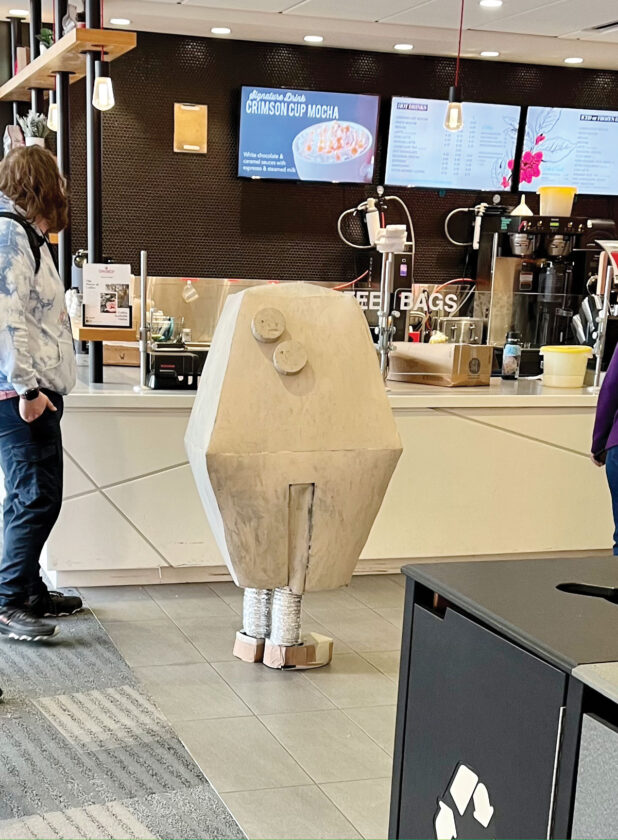
A person cosplaying a Gonk Droid from “Star Wars” waits in line for a coffee. (Photo Provided)
“I actually met a lot of mutuals from socials, and I met quite a few people that I had followed and had loved their artwork for years,” she said.
Lang said she has been drawing since childhood and studied animation, graduating in 2020. After returning to Marietta, she began selling her work locally before gradually expanding into conventions as she was able to save for travel and production costs.
She said she initially created FanArt but eventually shifted away from it due to copyright concerns.
“The thing with FanArt is it runs that risk of getting a cease and desist,” Lang said.
Her work now focuses on original designs, including creatures, cryptids and humorous illustrations inspired by everyday life. One of their most popular items, they said, is a Mothman hair claw, which has been a consistent bestseller at conventions.
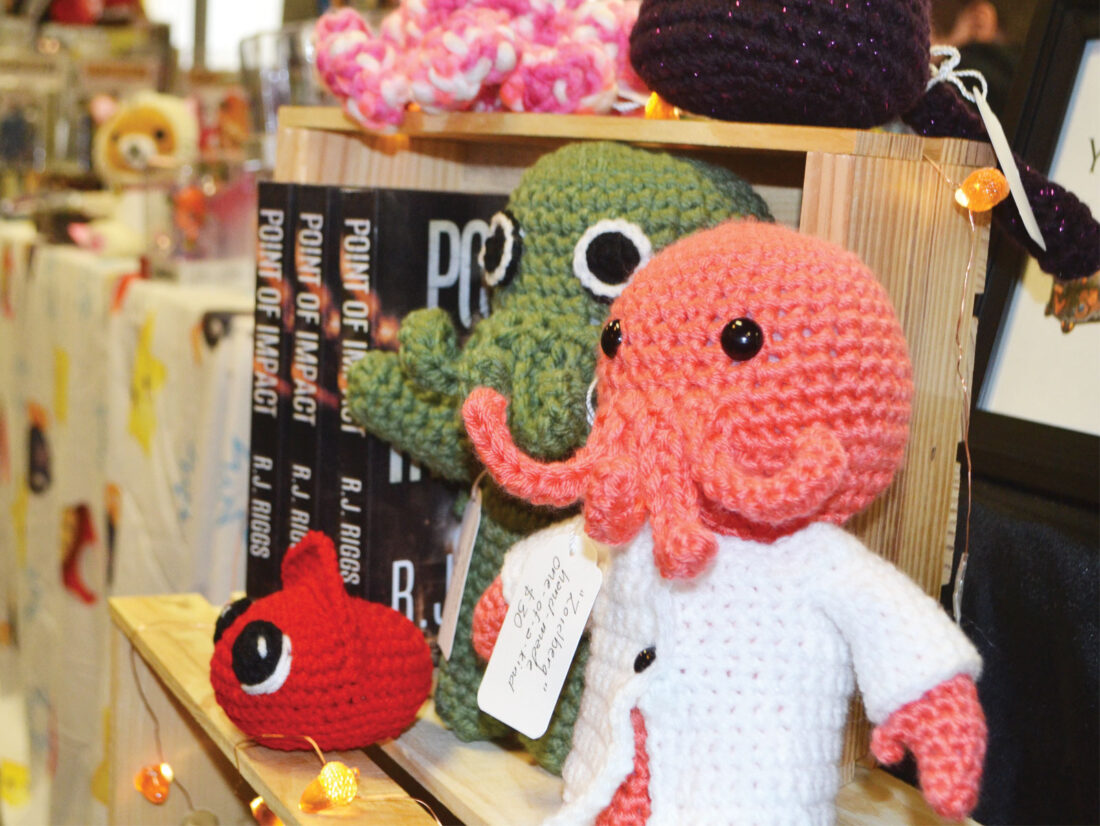
Classic Plastics Toy Store held its annual Classic Plastics Toy Expo at the Parkersburg Art Center in 2024. The convention featured a cosplay contest, comics, Funko Pops, music vinyls, collectables, action figures and more. (File Photo)
Lang said interacting with fandom communities helps artists understand what resonates across age groups, while still finding ways to put a personal twist on familiar themes.
“Sometimes it is difficult with art,” she said. “Really, truly, everything has been made … so you just have to make your own little twist on it.”
Lang’s art can be found under the handle thelittleriverrat on Instagram, Facebook, TikTok and Bluesky or at www.thelittleriverrat.shop.
Whether through academic study, online friendships or convention floors, Call, Levy and Lang each described fandom as a space where shared interests create lasting connections — across platforms, distances and disciplines.
Gwen Sour can be reached at gsour@newsandsentinel.com
***
Fandom terms you’ll see online
* Artist Alley: A designated area at conventions where independent artists sell original artwork, prints and fan-inspired creations and interact directly with attendees.
* Canon: The official events, relationships and details established by the original work and its recognized creators.
* Convention: An in-person or hybrid gathering where fans meet for panels, guests, cosplay, merchandise and community events centered on a fandom or genre.
* Cosplay: The practice of dressing up as a character from a movie, television show, video game, book or other media, often worn at conventions or fan events.
* Discord: A communication app where users create or join servers — organized into channels — to chat by text, voice or video around shared interests.
* Shipping: Short for “relationship.” Fans’ interest in pairing characters romantically or emotionally, whether or not the original story does.
* Fanfiction: Stories written by fans using characters and worlds from an existing work, typically shared online, sometimes shortened to “fic”.
* Headcanon: A fan’s personal belief or interpretation about a character or story detail that is not confirmed in the original work.
Local News
Tyler County poll workers join hall of fame ranks
Circulating Fans: Online spaces, conventions bring pop culture enthusiasts together
The Credit Due: Two United Bank employees reach 50-year milestones
God Help Us, Everyone…: AP-NORC poll finds this holiday season isn’t very merry for consumers

Popescu now managing director, Americas and president of ELPRO Services Inc.
