
History in the Making: Gunmakers, other crafters show traditional wares at Campus Martius Museum
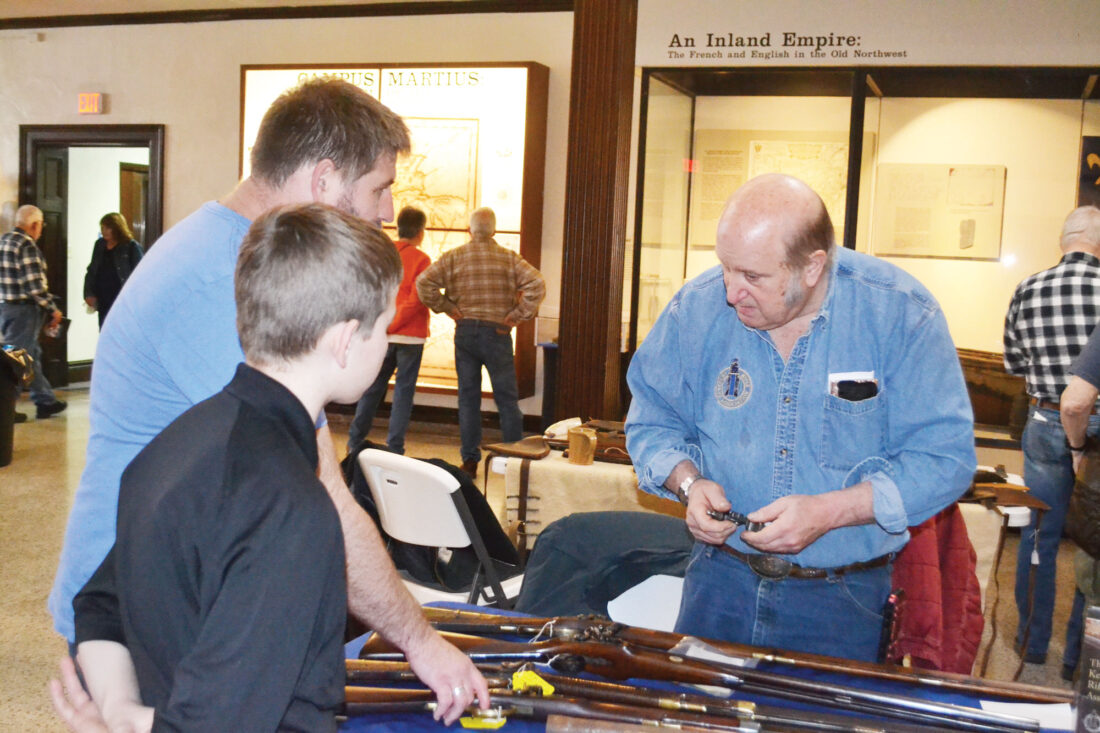
Eli Reid, 11, and his father Ian Reid visited the Campus Martius’s Gunmakers and Allied Artists show on Saturday. Ed Rayl, Sergeant in Arms in the Kentucky Rifle Association, explains to the father and son duo the history of the antique firearms and handmade double barrel shotgun he had on display. (Photo by Clara Noelle)
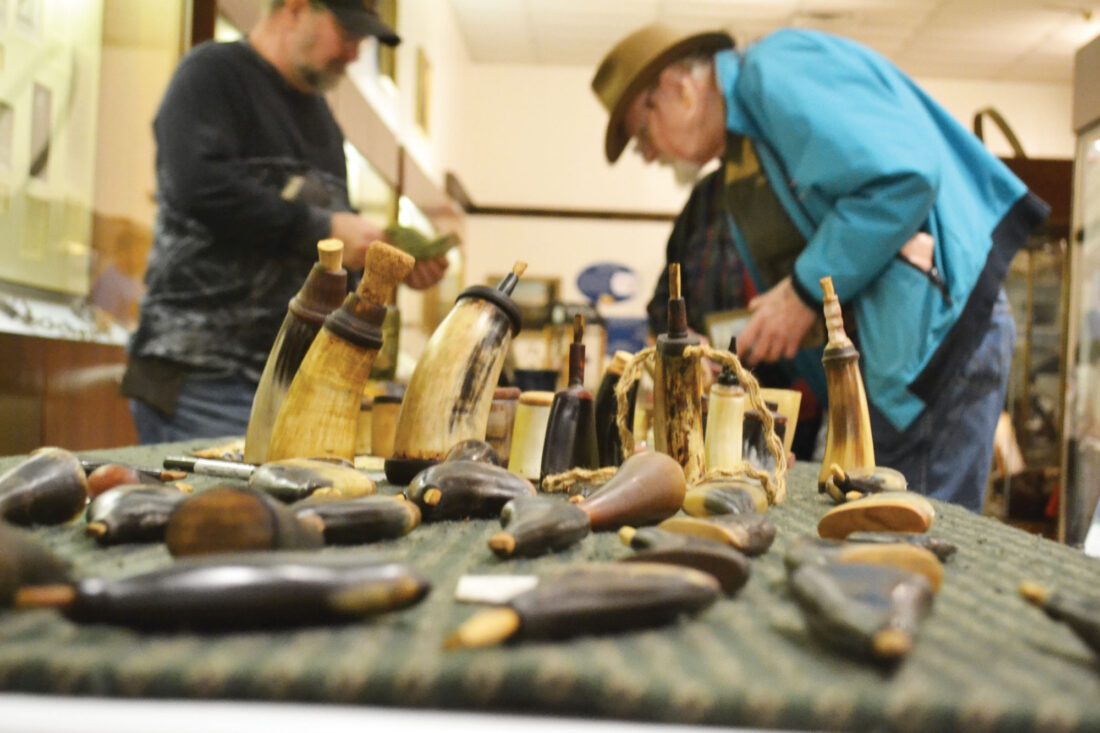
Items on display from Tim Dowler, retired, who sold handmade priming horns, horn boxes and other things made from cow horns typically seen in the 18th century at Campus Martius’s Gunmakers and Allied Artists show on Saturday. (Photo by Clara Noelle)
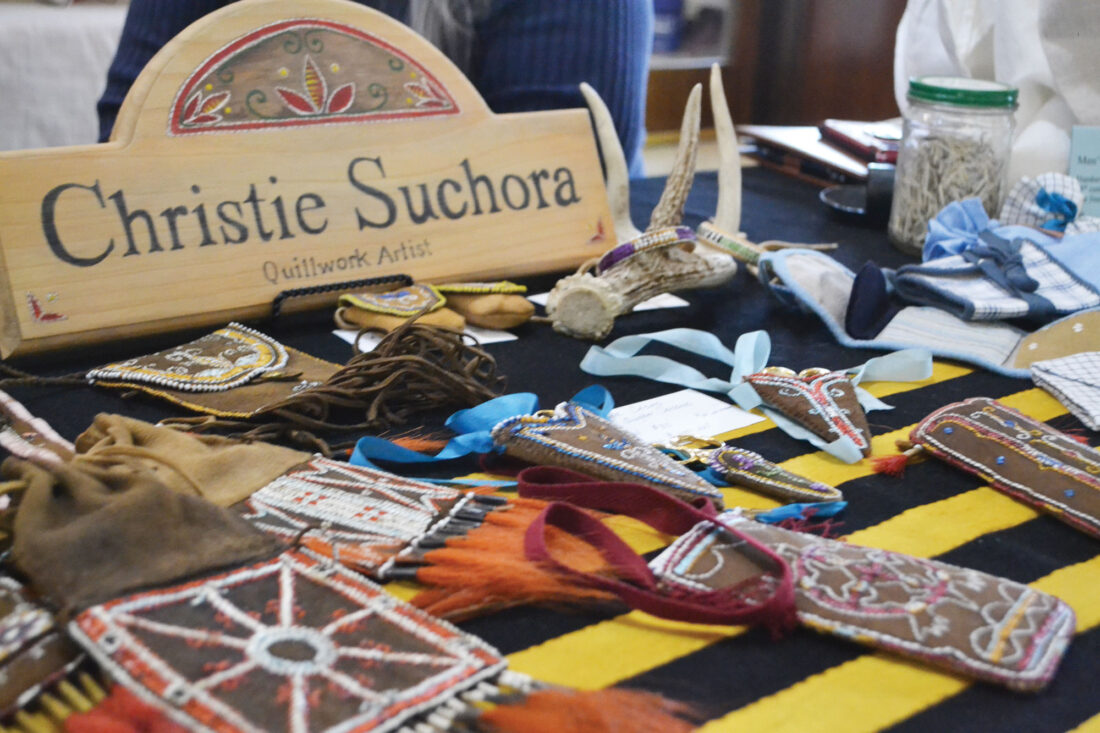
Christie Suchora, a worker for the U.S. Department of Agriculture, showcased her quiltwork at Campus Martius’s Gunmakers and Allied Artists show on Saturday. (Photo by Clara Noelle)
Eli Reid, 11, and his father Ian Reid visited the Campus Martius’s Gunmakers and Allied Artists show on Saturday. Ed Rayl, Sergeant in Arms in the Kentucky Rifle Association, explains to the father and son duo the history of the antique firearms and handmade double barrel shotgun he had on display. (Photo by Clara Noelle)
Items on display from Tim Dowler, retired, who sold handmade priming horns, horn boxes and other things made from cow horns typically seen in the 18th century at Campus Martius’s Gunmakers and Allied Artists show on Saturday. (Photo by Clara Noelle)
Christie Suchora, a worker for the U.S. Department of Agriculture, showcased her quiltwork at Campus Martius’s Gunmakers and Allied Artists show on Saturday. (Photo by Clara Noelle)
Trending
MARIETTA -- Campus Martius Museum held a Gunmakers and Allied Artists show on Saturday from 9:30 a.m. to 4 p.m. that featured the works of several dozen traditional craftsmen whose work reflects the culture of the 18th and 19th centuries.
"It's an idea that we could bring people into the museum during a slow time and honor crafts people," said Bill Reynolds, an historian with Campus Martius. "If these folks here weren't keeping these crafts alive, they could easily be lost."
Reynolds noted the crafts people who come to the show work hard to try and increase their skill level, "and they're willing to share it." According to Reynolds, some artisans travel 50-100 miles to come to this show.
"This show receives national attention," said Reynolds.
Reynolds noted the show has been going on for 12 to 13 years and "virtually all the artisans here have been coming to the show for years."
Ed Rayl, a Sergeant in Arms with the Kentucky Rifle Association, said that he's been working with antique firearms for years. Rayl brought antique rifles and a homemade double barrel shotgun to the show. During the event, Rayl said he likes to visit with people he does not see often but also come to the shows. In addition to visiting with members of the gunmakers and allied artisans community, Rayl said he likes to encourage young people to become interested in the art and history of gunmaking.
One of those younger people was Eli Reid, 11, from Parkersburg who attended the show on Saturday with his father Ian Reid.
"We were looking for something to do on a cold day," said Ian Reid.
The father and son duo noted they had an interest in history, with Eli Reid saying he had a special interest in the Napoleonic Era, while Ian Reid said he likes it all.
Eli Reid said he especially liked learning about the history of antique guns as well as how someone makes one.
Christie Suchora, a worker for the U.S. Department of Agriculture, does quiltwork for a hobby. She specializes in Native American quiltwork specifically before European contact. She said the practices she uses to create the quilts originate from the 18th century Great Lakes Native American tribes.
Suchora's journey through her history hobby started with black powder shooting and historical reenactments. She said she had wanted to start quiltwork but only found the motivation to do so after finding a dead porcupine on the side of the road. She said she plucked the quills and started crafting her skill of Native American quiltwork.
"It's a relaxation hobby," said Suchora.
Suchora uses porcupine quills for structure, natural dyes for color, and deer hide tanned in the same way it was in the 18th century.
Clara Noelle can be reached at intern@newsandsentinel.com.