
Cranberry Glades offers scenic retreat
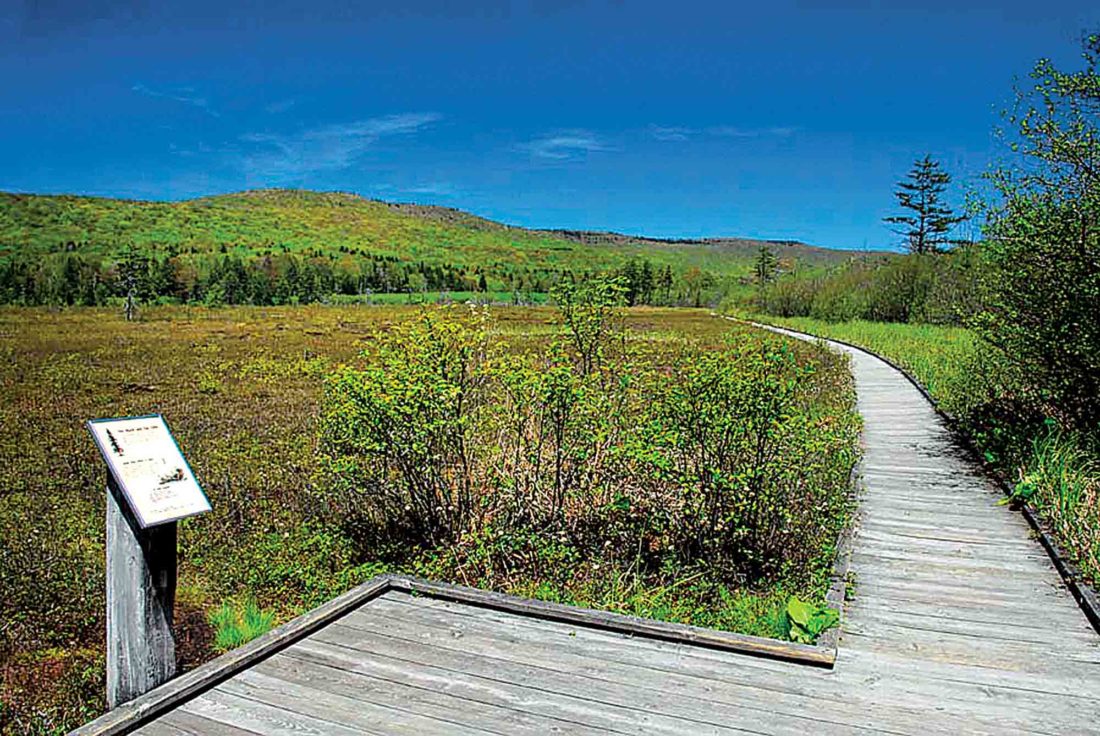
Photo courtesy of the West Virginia Department of Tourism Within the Cranberry Glades area, there is a 0.5-mile boardwalk which moves along the edge of bogs and a small wooded area.
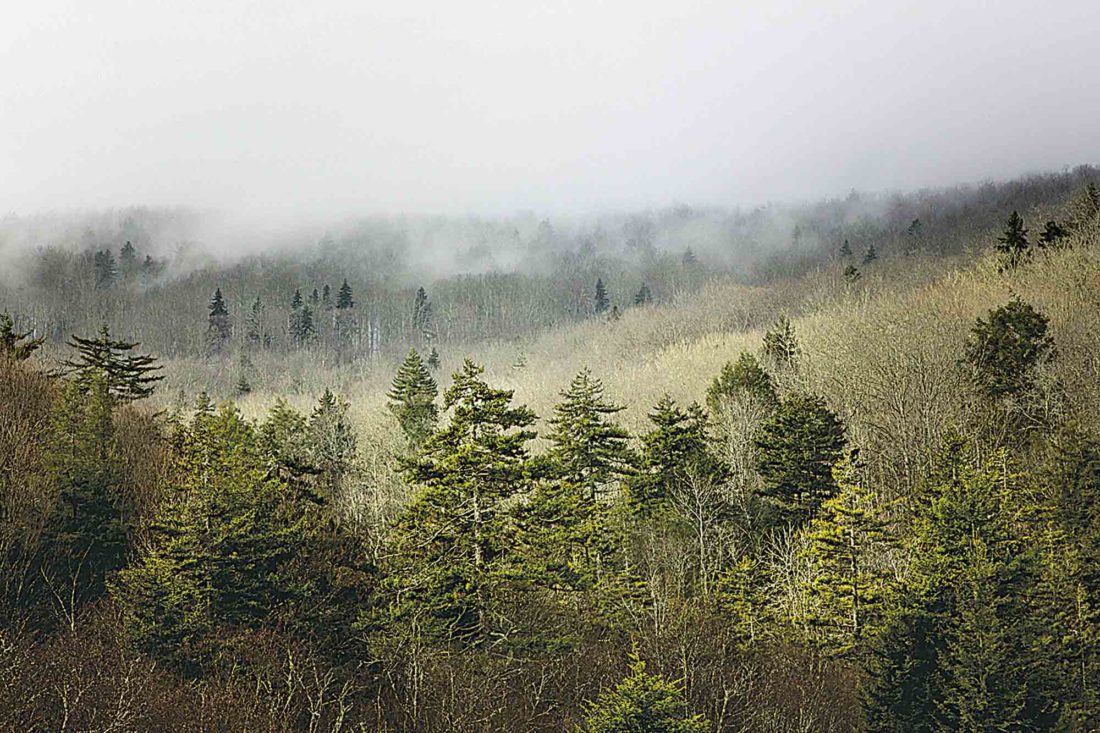
Photo courtesy of the West Virginia Department of Tourism Cranberry Glades is a major tourism stop in the Highland Scenic Highway corridor.
Photo courtesy of the West Virginia Department of Tourism Within the Cranberry Glades area, there is a 0.5-mile boardwalk which moves along the edge of bogs and a small wooded area.
Photo courtesy of the West Virginia Department of Tourism Cranberry Glades is a major tourism stop in the Highland Scenic Highway corridor.
Trending
HILLSBORO -- The Cranberry Wilderness encompasses the nearly 50,000-acre Cranberry Wilderness and within that huge expanse of land is a cluster of five small, boreal-type bogs called Cranberry Glades.
Located in southwestern Pocahontas County, the 750-acre area of peat bogs is high in the Allegheny Mountains at about 3,400 feet and is part of the Monongahela National Forest. Much of the bog is underlain by peat and decaying organic matter which measures up to 10 feet in thickness.
The Cranberry, Kennison and Black mountains surround the high valley, with heights ranging from 3,300 to 3,400 feet above sea level.
According to en.wikipedia.org, the water from the Glades forms the headwaters of the Cranberry River, a highly popular trout stream, which is formed by the Yew and Charles Creeks. Water begins to flow at about 4,600 feet and makes its way through a narrow gap between Kennison and Black Mountains.
At this high of an elevation, there is always a potential for frost. In some years, the frost-free period has been measured as short of a time as 81 days. The average summer high in the area is usually from 74 degrees-82 degrees. Meanwhile, the mid-winter temperatures can plummet to as low as -26 degrees and the area regularly has heavy snow.
Cranberry Glades is a major tourism stop in the Highland Scenic Highway corridor. The Glades' Cranberry Mountain Nature Center provides interpretive services and the wheelchair accessible boardwalk is available for self guided tours and pre-arranged tours made in advance.
More information is available during the summer months at the Cranberry Mountain Nature Center at 304-653-4826 and during the winter months at the Gauley Ranger District at 304-846-2695, according to www.fs.usda.gov.
Within the Glades area, there is a 0.5-mile boardwalk which moves along the edge of bogs and a small wooded area. The entire Glades has the Cowpasture Trail to walk. The trail is a 6.0-mile hiking path which serves as the border between the Cranberry Glades Botanical Area and the much larger Cranberry Wilderness.
The Cranberry Mountain Nature Center is open April through October with guided tours at 2 p.m. Saturdays and Sundays throughout the summer months. The tours can be arranged by contacting the Cranberry Mountain Nature Center.
Wildlife is in abundance in and around the bogs and wilderness area. Some of the animals which can be seen are: the black bear, West Virginia Northern Flying Squirrel, red-tailed hawk, American Bald Eagle, red fox, coyote, white-tailed deer, Cooper Hawk, and Eastern Screech-Owl, according to pocahontascountywv.com.
The drive from Parkersburg to the Cranberry Mountain Nature Center ranges from 3:30-3:45 hours to drive, depending on the route taken. It is approximately 200 to 207 miles, give or take a few depending on where one lives. No matter if one drives Interstate 77 South or Route 50 East, the vehicle is going to end up traveling on Interstate 79 and taking exit 57.