
West Virginia House committee moves its version of the budget bill
Trending
CHARLESTON -- With the West Virginia Senate passing its version of Gov. Jim Justice's general revenue budget for the next fiscal year last week, the House of Delegates began work on its version of the budget, setting the stage for a compromise bill to emerge before the session ends next week.
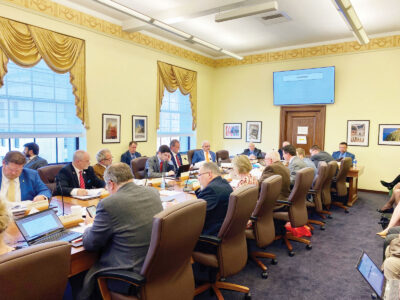
The House Finance Committee recommended House Bill 2024, the budget bill, for passage Wednesday evening, sending the bill to the full House for consideration.
HB 2024 is the House's version of the budget bill presented to lawmakers by Justice on the first day of the 2023 legislative session on Jan. 11 during his State of the State address.
The House budget comes in at $4.642 billion, a 5% increase from Senate Bill 150 -- the state Senate's version of the budget -- at $4.399 billion, but HB 2024 is also a nearly 5% decrease from the Governor's introduced budget of $4.884 billion.
Justice has since introduced an amended revenue estimate for his fiscal year 2024 general revenue budget beginning July 1, increasing the estimate to $5.734 billion, a more than 17% -- or nearly $800 million -- increase from his proposed Jan. 11 revenue estimate.
The House budget includes more than $250 million in cuts and only contemplates new spending from House bills that have already passed. The House budget also takes into account the Governor's original personal income tax cut plan as passed by the House the second week of session in House Bill 2526.
That plan would have cut personal income taxes by 50% over three years, beginning with 30% in the current fiscal year and 10% in the next fiscal year and another 10% in the fiscal year after that. The bill would have cut personal income tax revenue by $1.085 billion for fiscal year 2024.
Instead, the House and Senate agreed to a compromise on tax reform. The Senate passed an amended version of HB 2526 Saturday that would return more than $750 million to taxpayers with a 21.25% cut in personal income tax rates retroactive to Jan. 1.
The tax reform compromise also includes a 100% rebate on vehicle tangible personal property taxes for residents in the form of personal income tax refunds; a 50% rebate on tangible personal property taxes for five categories of machinery/equipment and inventory; and a 100% refundable homestead tax credit for military veterans who are 90% to 100% service-disabled.
The House version of the budget also includes $1.049 billion in the surplus section of the budget, also called the back of the budget -- $333.5 million less than the Governor's surplus total. Line items placed in the back of the budget are funded through available surplus tax revenue available at the end of the current fiscal year and paid out in the order the line items appear.
The state is expected to exceed $1.7 billion in excess tax collections for the current fiscal year ending on June 30. According to a report from the Senate Finance Committee Wednesday, the state collected $4.083 billion for the last eight months of the fiscal year as of February. That's more than 37% above the $2.976 billion revenue estimate for this point in the fiscal year, giving the state a $1.107 billion surplus with four months left in the fiscal year.
Both the House and Senate will need to meld their two budgets together, incorporating the bills that have passed both bodies with fiscal costs, and present a balanced budget before the end of the session in 10 days. Justice also has the authority to use a line-item veto on the budget.
Steven Allen Adams can be reached at sadams@newsandsentinel.com