
West Virginia Senate passes bill to reduce weeks of unemployment benefits
Trending
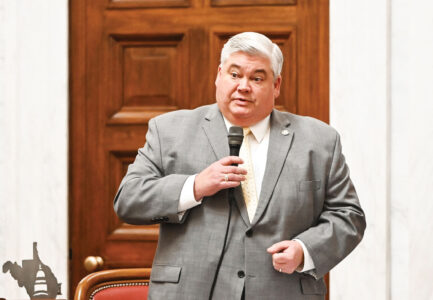
CHARLESTON -- The West Virginia Senate approved a bill Monday to tie the maximum number of weeks of unemployment benefits to the monthly unemployment rate.
Senate Bill 59 passed 27-5 Monday morning would require work search activities to qualify for unemployment benefits. No votes included Senate Minority Leader Mike Woelfel, D-Cabell, and Sens. Mike Caputo, D-Marion, Bill Hamilton, R-Upshur, David Stover, R-Wyoming, and Glenn Jeffries, R-Putnam.
SB 59 would index the maximum number of weeks of unemployment benefits to the state's monthly seasonally adjusted unemployment rate. The bill would decrease the maximum number of weeks of unemployment benefits from 26 weeks to 12 weeks if the state seasonally adjusted unemployment rate drops to 5.5% or below.
The number of maximum weeks of unemployment would increase or decrease depending on the seasonally adjusted unemployment rate, with 20 weeks available if the unemployment rate is 9% or greater, dropping a full week of benefits for every half-percent drop in the unemployment rate.
"Variations of this bill work quite successfully in other states," said Senate Government Organization Committee Chairman Jack Woodrum, R-Summers. "I believe it will work very successfully here in West Virginia. It has the protections our workers need. Most of our unemployment workers are under the number we currently have. I don't believe you're going to see any significant changes."
The bill would require Workforce West Virginia to verify applicants for unemployment benefits and review suspicious claims, including claims coming in from international IP addresses. It increases eligibility requirements by requiring specific actions from the participant to show they are actively looking for work to be determined by the Workforce West Virginia commissioner.
It also encourages Workforce West Virginia to notify applicants of available jobs and requires them to apply for those jobs within a specific time frame. It also allows applicants to continue to receive benefits if they are hired for part-time work as long as their wages are less than their weekly benefit rate.
SB 59 is similar to Senate Bill 2 passed by the Senate last year in a 20-14 vote. That bill was never taken up by the House of Delegates and ended up parked on the House's inactive bills calendar.
"We went through this last year," Caputo said. "Today, an unfortunate worker who gets laid off can get a maximum of 26 weeks. If this passes, it will be anywhere from a minimum of 12 weeks to a maximum of 20 weeks. I'm going to tell you, things get tough sometimes. Things get extremely tough and sometimes 26 weeks is not enough. I do know that 12 is not enough."
According to Workforce West Virginia, the state's seasonally adjusted unemployment rate for December was 4.1%. It dropped to 3.4% in May 2022 and has remained below 5.5% since April 2021.
The bill now heads to the House of Delegates.
Steven Allen Adams can be reached at sadams@newsandsentinel.com.