
Critical Condition: Camden Clark Medical Center officials discuss COVID struggles

Dr. Walter Kerschl (Photo Provided)
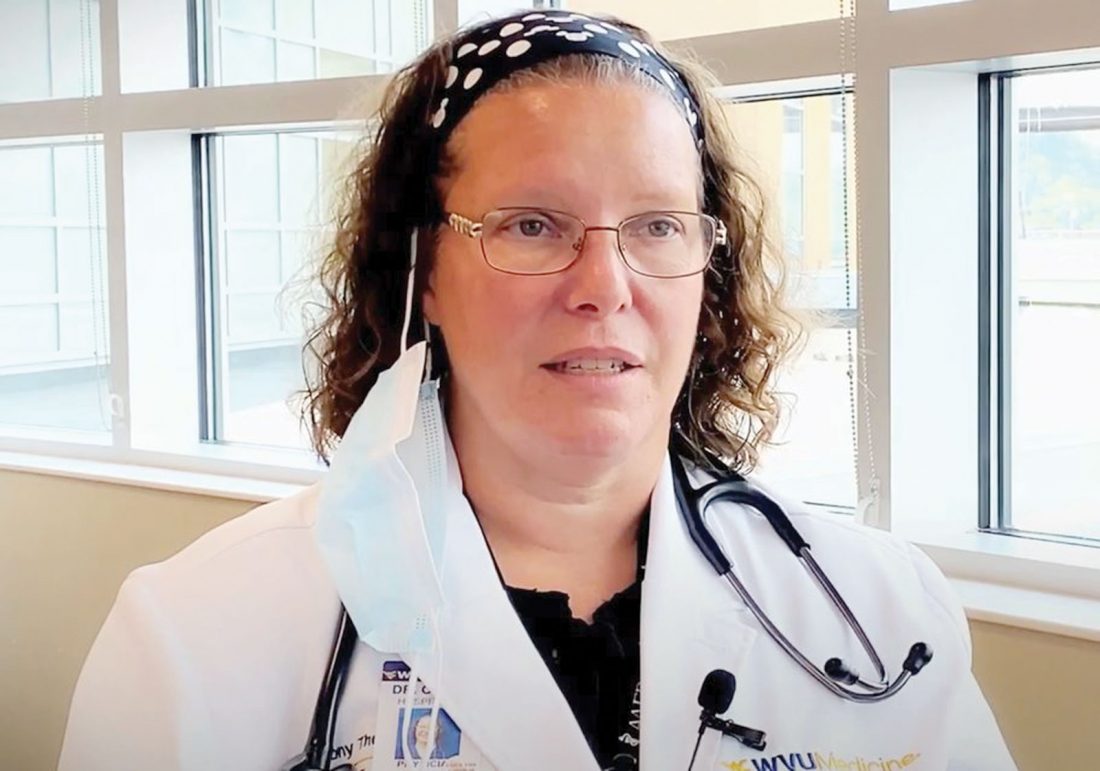
Dr. Gabriella Olson (Photo Provided)
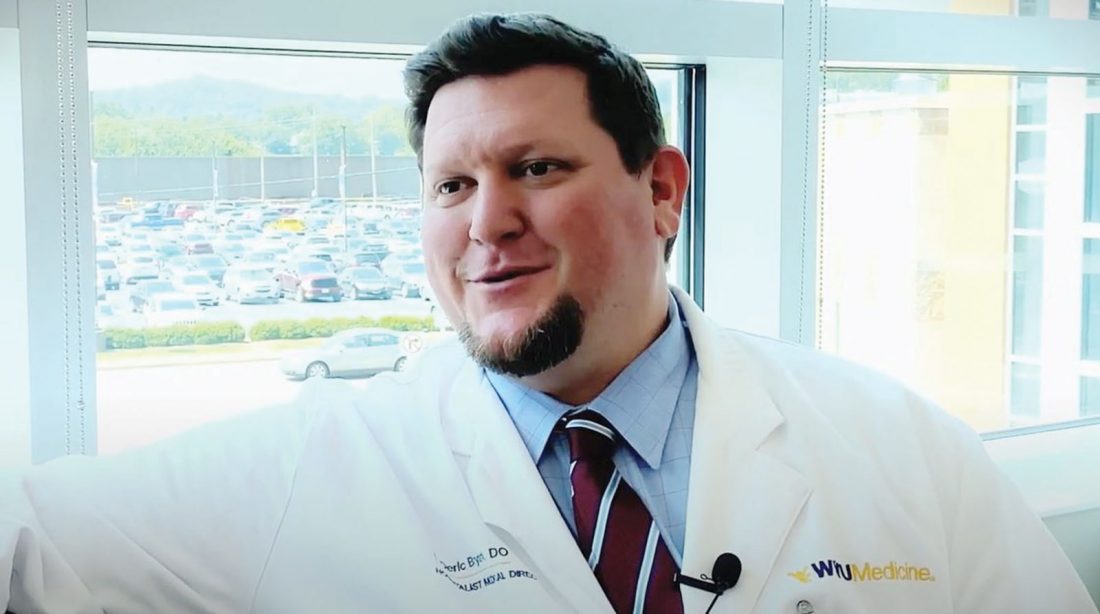
Dr. Deric Bryant (Photo Provided)
Dr. Walter Kerschl (Photo Provided)
Dr. Gabriella Olson (Photo Provided)
Dr. Deric Bryant (Photo Provided)
Trending
PARKERSBURG -- The increase in COVID-19 cases is causing a crisis situation at WVU Medicine Camden Clark Medical Center.
As of Wednesday, Camden Clark was caring for 74 COVID-positive patients, many of whom are requiring increased oxygen flow, said Dr. Walter Kerschl, Vice President and Chief Medical Officer.
"The continued increase of COVID infection in the community has severely taxed health care systems across the region and CCMC is no different," he said. "We are in a crisis mostly due to unvaccinated population as the delta variant has caused a third wave of infection across the country and here in the Mid-Ohio Valley."
CCMC declared a Mini-Disaster on Tuesday, Sept. 14, and went on complete patient diversion for the emergency room and hospital until 7:30 p.m. that day. The hospital had 77 COVID patients at that time. The issue came about due to a large increase in oxygen required to treat predominantly COVID patients, officials said.
West Virginia set a new pandemic high for hospitalizations. Hospitalizations reached 852 statewide this past week compared to the previous high of 818 on Jan. 5 compared to just 51 as of July 1, Camden officials said.
"The best and most effective way to slow the spread of this virus is to get the vaccine," Kerschl said, adding the majority of current COVID hospitalizations are unvaccinated patients.
"There are some breakthrough cases in those who have been vaccinated, but these are less severe and often are admitted for a couple of days and discharged rather than those patients that are unvaccinated and end up in intensive care," he said.
Symptoms of COVID can mimic allergies, flu, or colds. Children have presented with rashes and gastrointestinal symptoms.
The hospital's ICU has been operating at capacity for several weeks, Kerschl said.
Camden Clark has also focused on its monoclonal antibody infusion efforts for eligible COVID patients which has reduced the need for hospitalization.
The medical center is seeing an increase in out-of-state patients as people have been traveling as well as more patients from Ohio over the past few weeks, said Dr. Gabriella Olson, Primary Care Physician and Hospitalist.
"Ventilators are being used for COVID patients who fail other methods of oxygenation such as BIPAP (Bilevel Positive Airway Pressure) and high flow oxygen," she said. "(Wednesday) we had seven COVID patients on ventilators and six of those have not been vaccinated."
Camden has not completely done away with elective surgeries as it is operating under surge planning which can reduce such procedures if resources are needed for critical services, Olson said.
Kerschl said the situation is evaluated on a daily basis, even the weekends, and plans are adjusted "to make sure our patients are cared for optimally."
The hospital has been able to provide critical care by placing some patients in the Cardiovascular Intermediate Unit, which is usually reserved for patients with serious heart issues, said Dr. Deric Bryant, Hospitalist Medical Director.
With the increase in COVID cases, other needs are still being met by medical personnel, including heart attacks, strokes and more.
"Any symptoms of stroke, heart attack, or difficulty breathing will continue to require emergency medical attention and these we are treating as emergent when they come to our ER," Bryant said. "Our ER continues to manage patients with these symptoms."
Around 52 percent of West Virginia's 2 million residents are fully vaccinated.
Hospital officials continue to urge people to get vaccinated to help reduce the spread of the virus.
"My advice to the general public would be to vaccinate if you are not already, and to wear a mask in public places particularly indoors," Olson said. "Vaccines are extremely effective in reducing the need for hospitalization even if you do get COVID being vaccinated.
"We have a critical bed shortage and anything we can do to reduce the need for hospitalization is beneficial."
Brett Dunlap can be reached at bdunlap@newsandsentinel.com.